
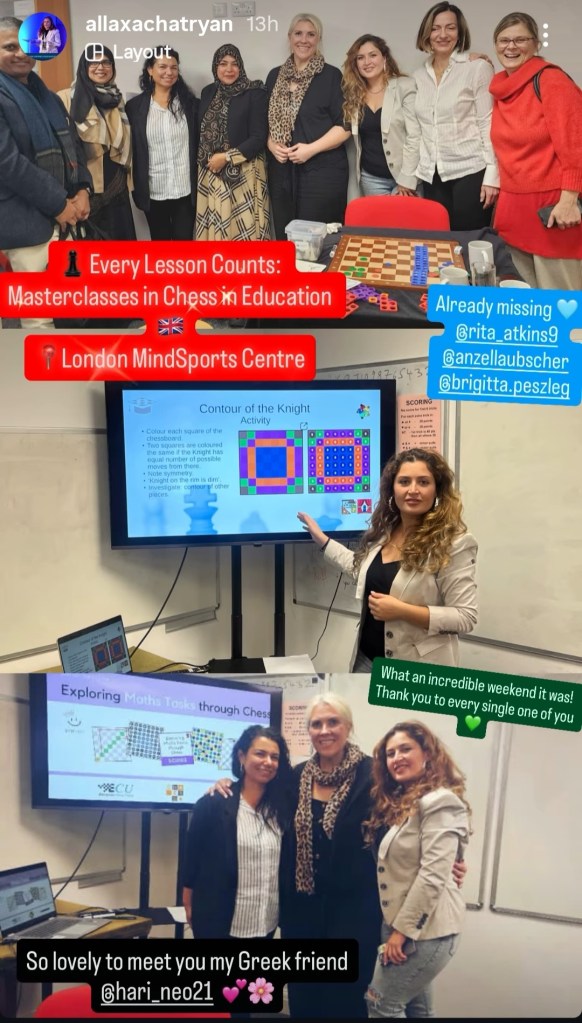
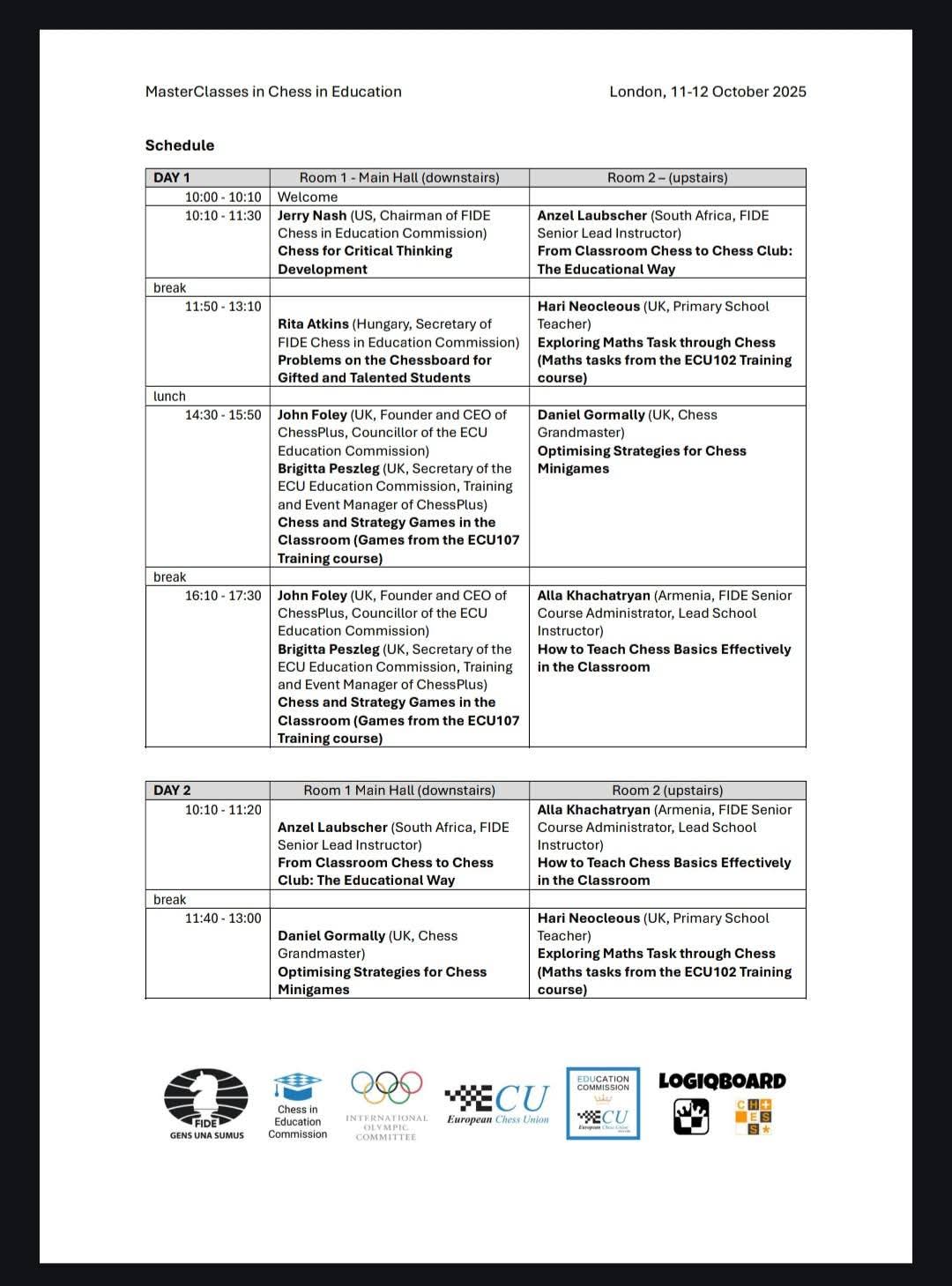
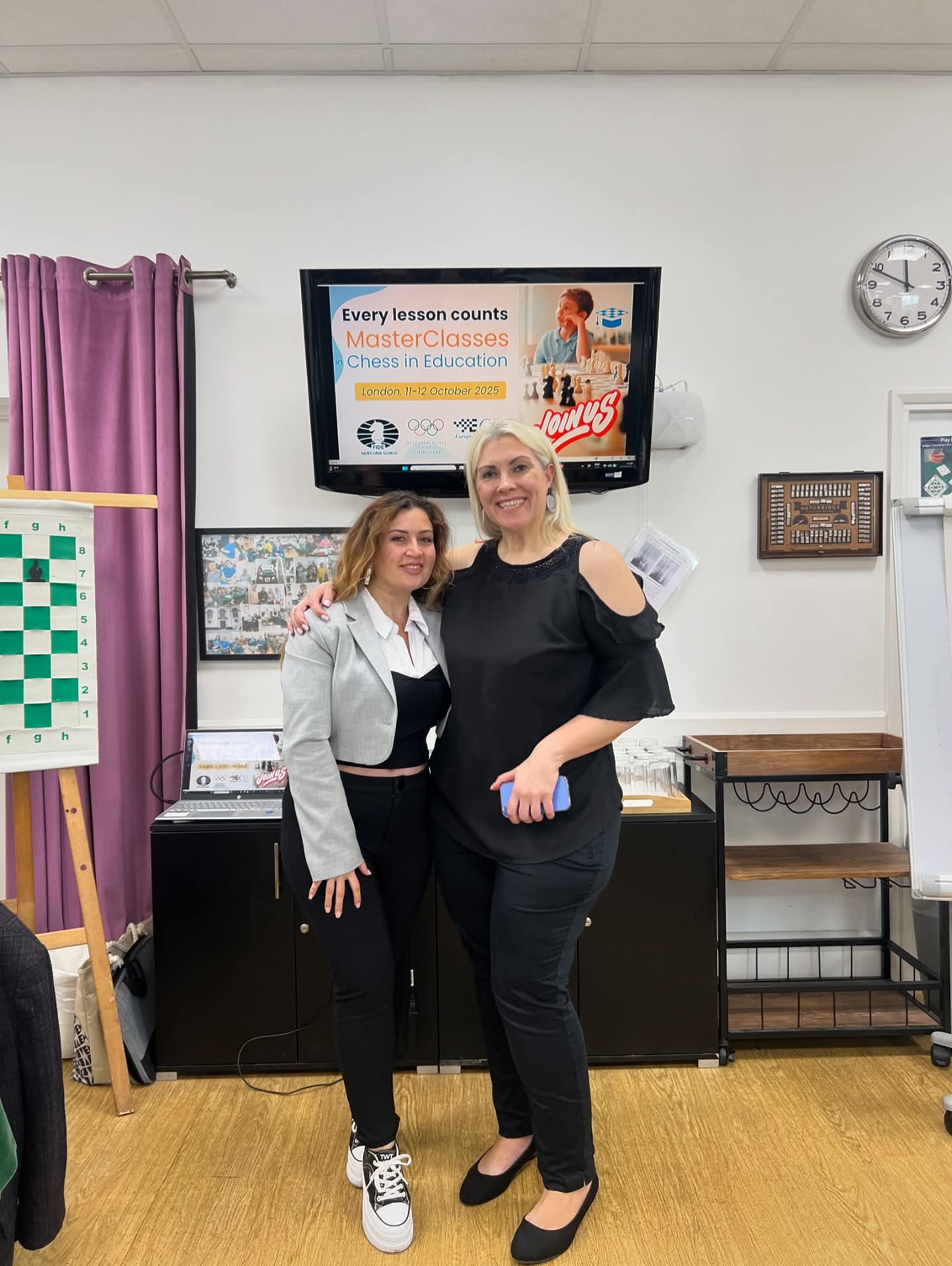
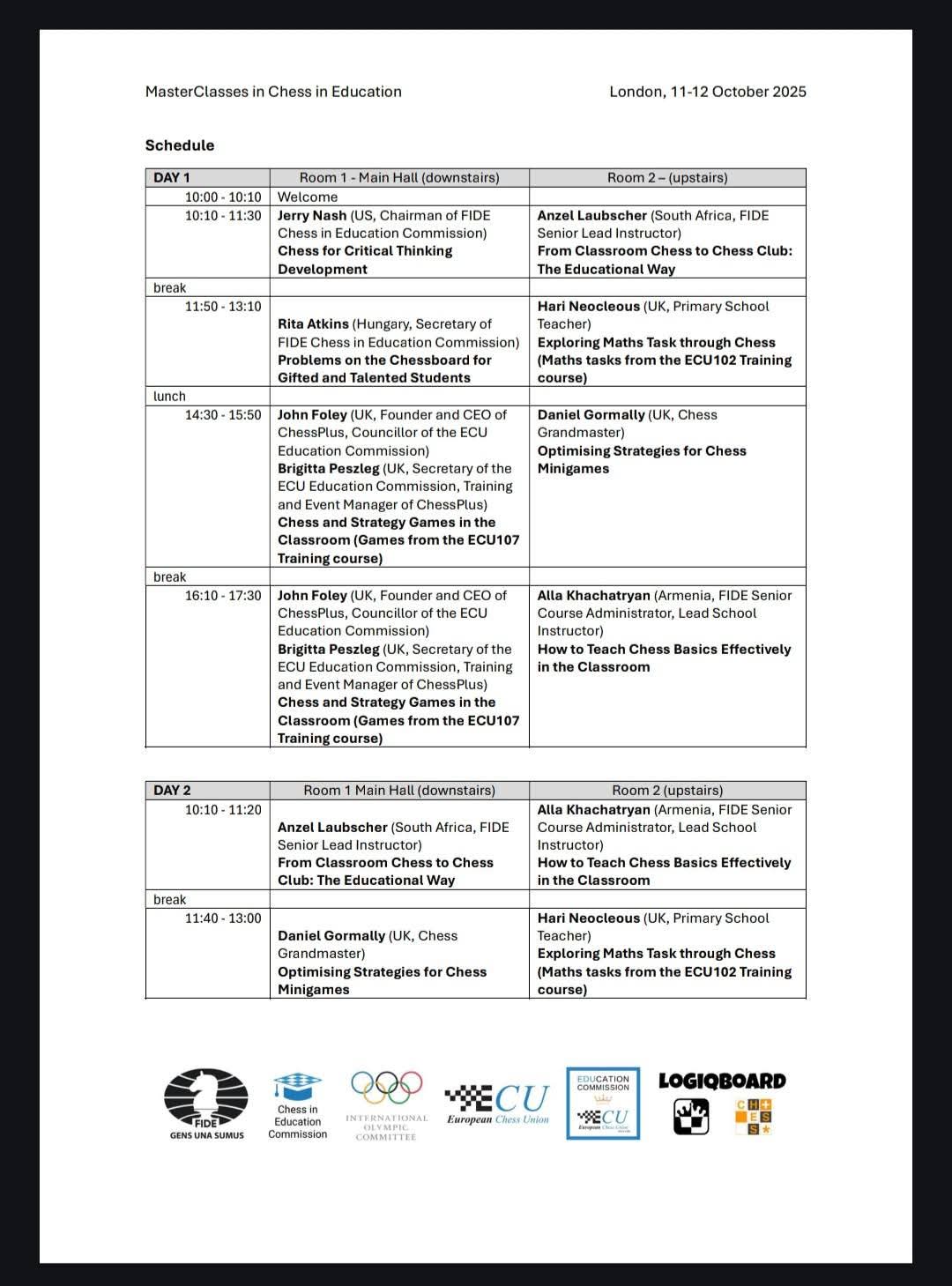
The Every Lesson Counts, Chess in Education Masterclasses were a huge success. An event organised by the FIDE Education Commission, the European Chess Union and Education Commission, ChessPlus, The Olympics Committee and our very own LogiqBoard.
Held at the London Mindsports Centre, a perfect venue for playful learning and games. 🇬🇧
Master Class Presenters
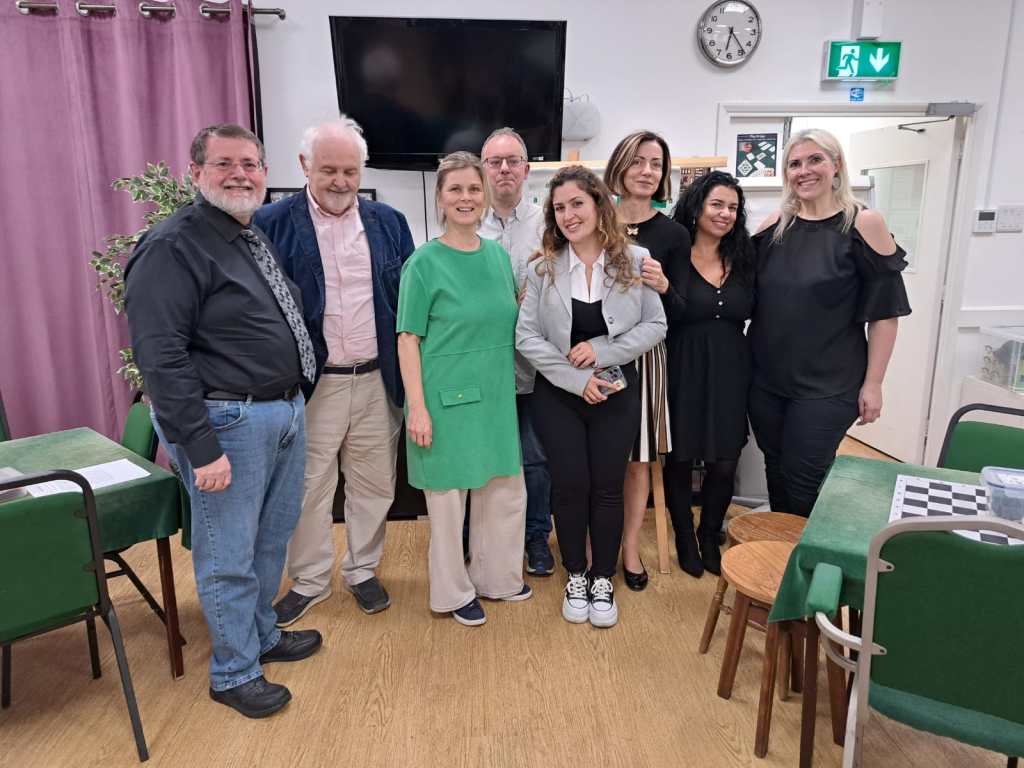
Chess Connects us
It was a pleasure to see the FIDE team in person, FIDE Chairman Jerry Nash and of course FIDE Education Secretary and co-creator of logiqboard.com Rita Atkins.
The team also included my chess buddy and main organiser, Brigitta Peszleg. Plus John Foley, my maths course co-presenter and chess player Danny Gormally also joined the team.
Queens
I got to meet Anzel Laubscher and Alla Khachatryan, I watched them present their masterclasses and saw snippets from the FIDE Preparation Of Teachers course which I’ll share below.
LogiqBoard in action 🎬
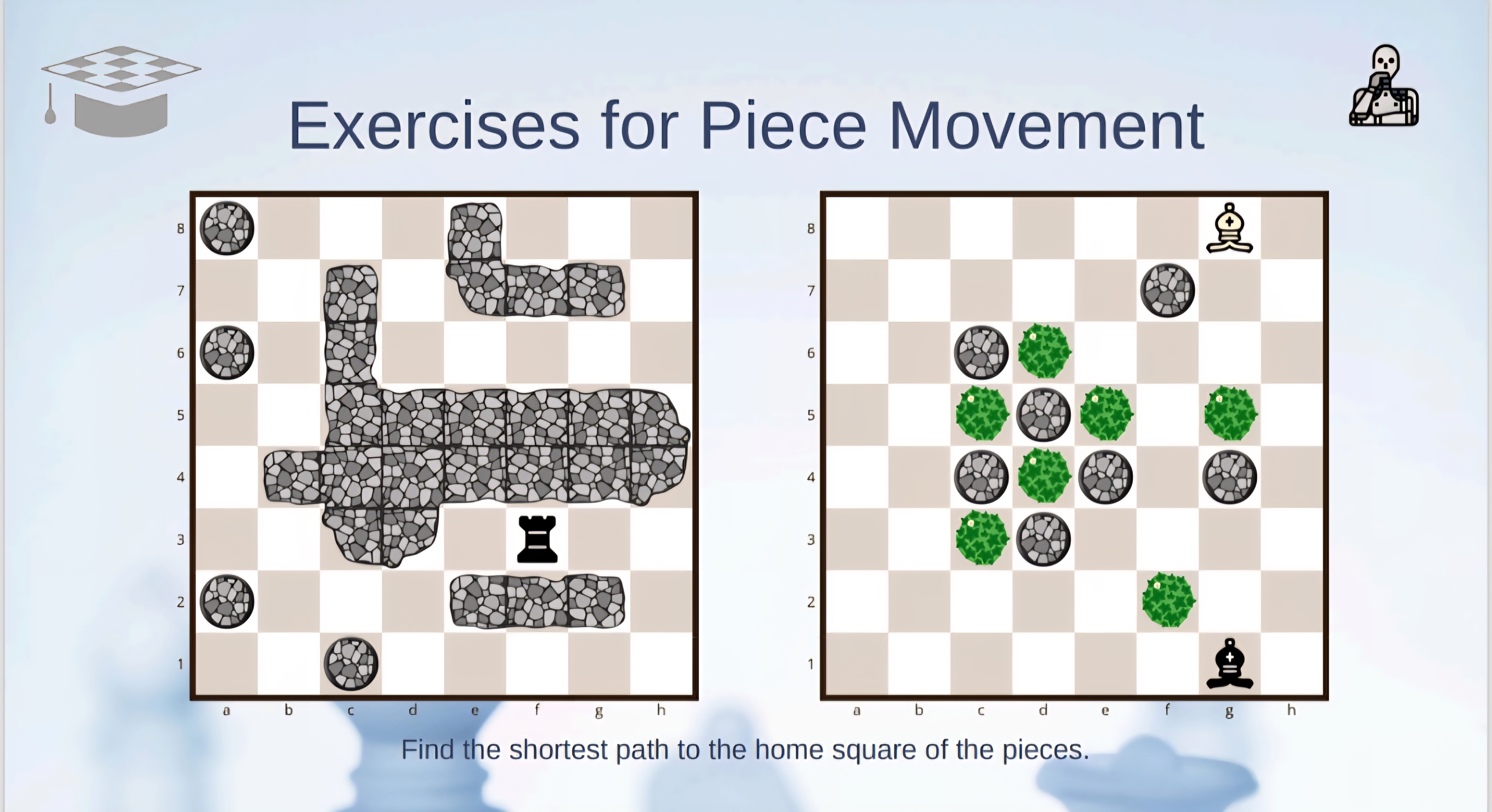
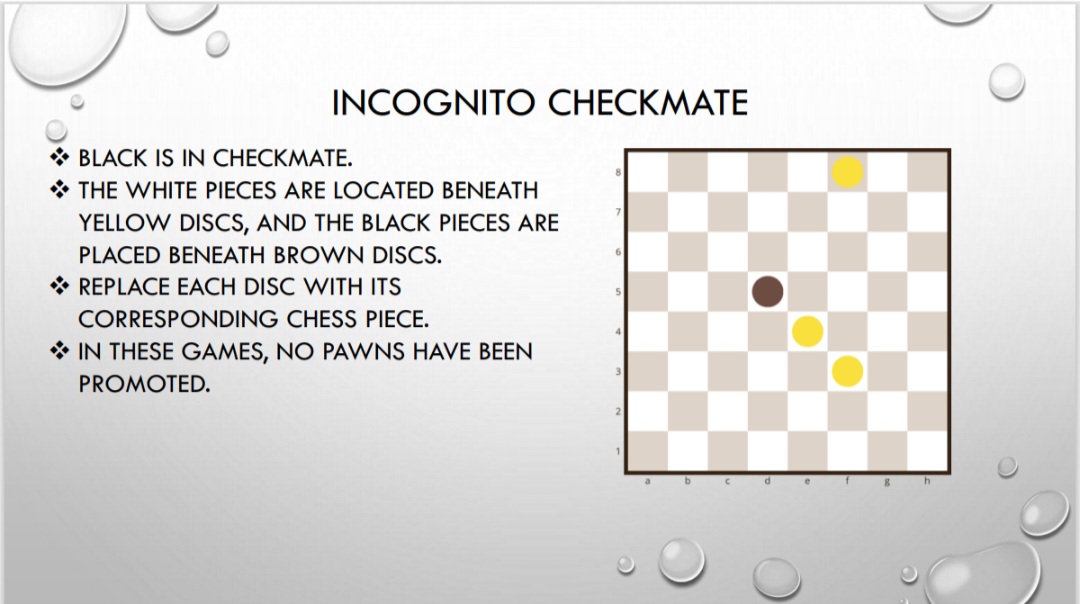
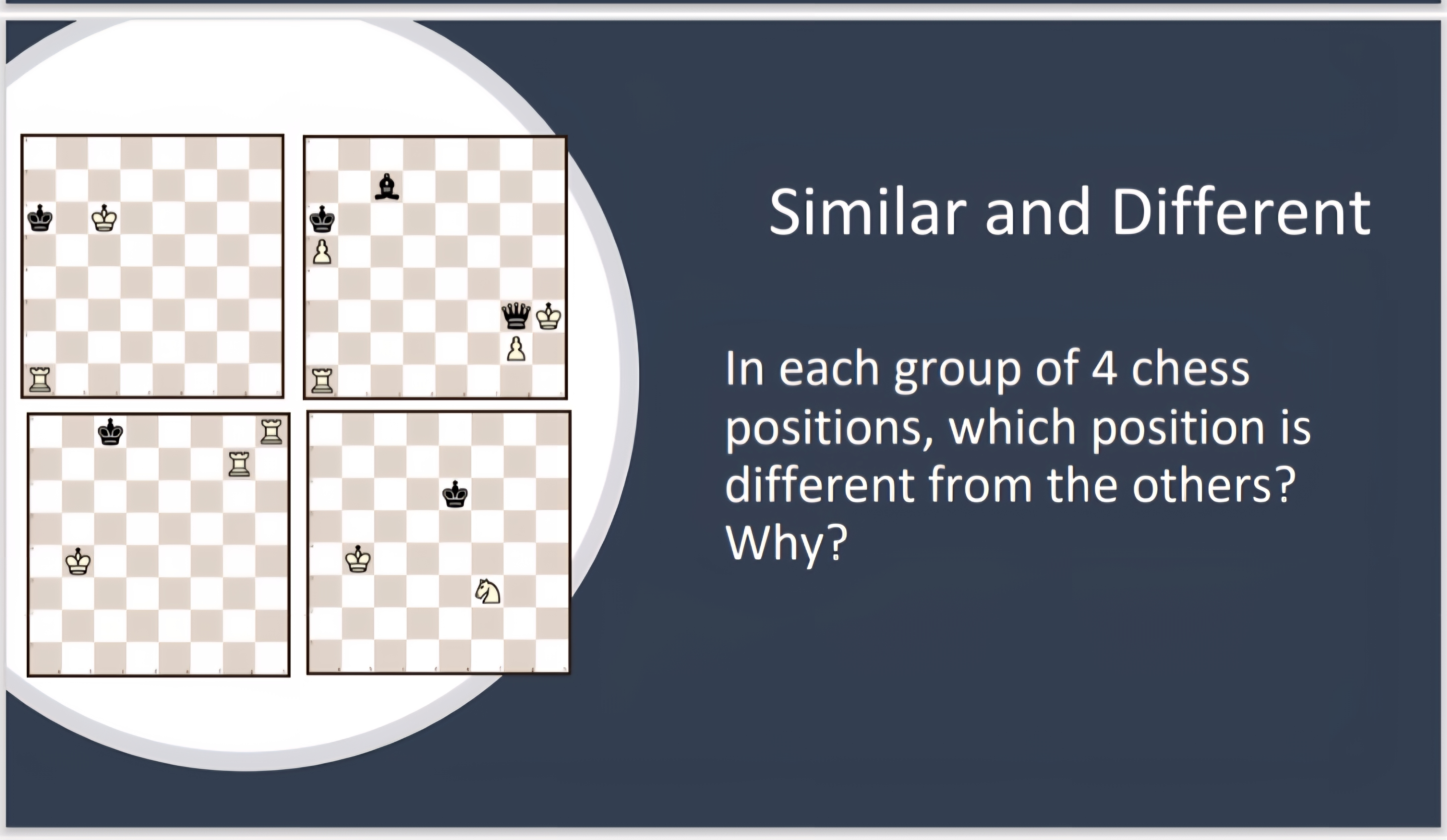
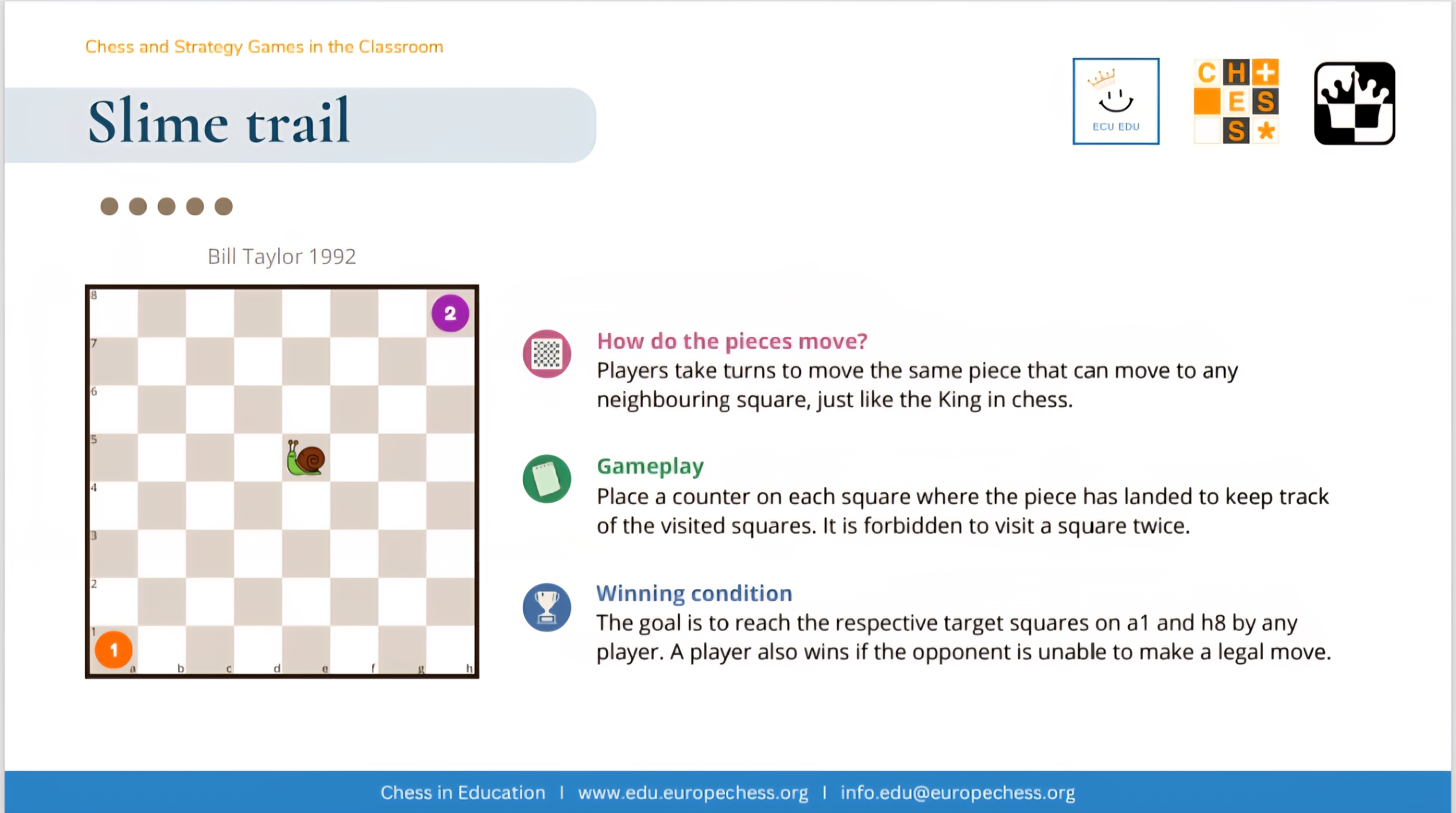
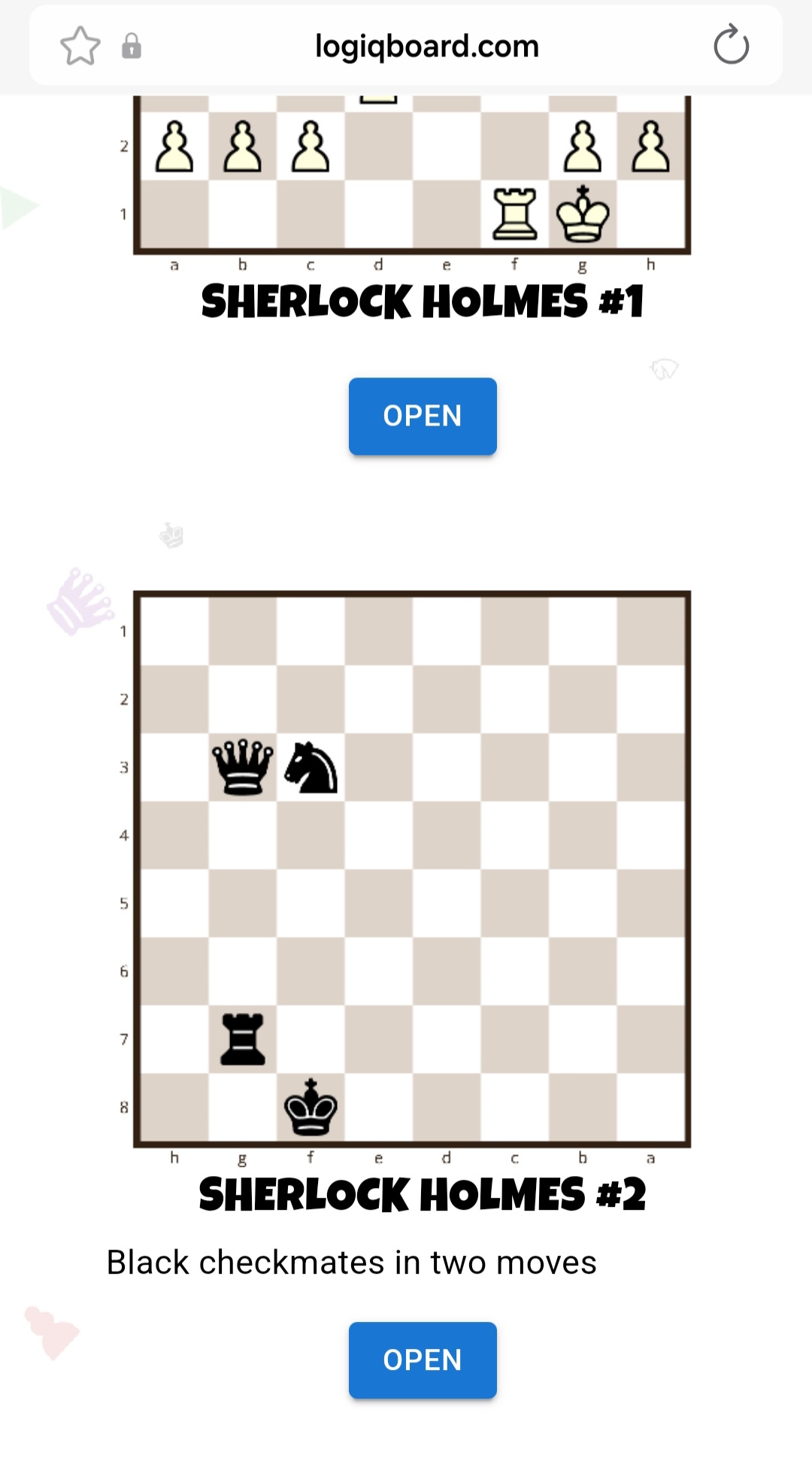
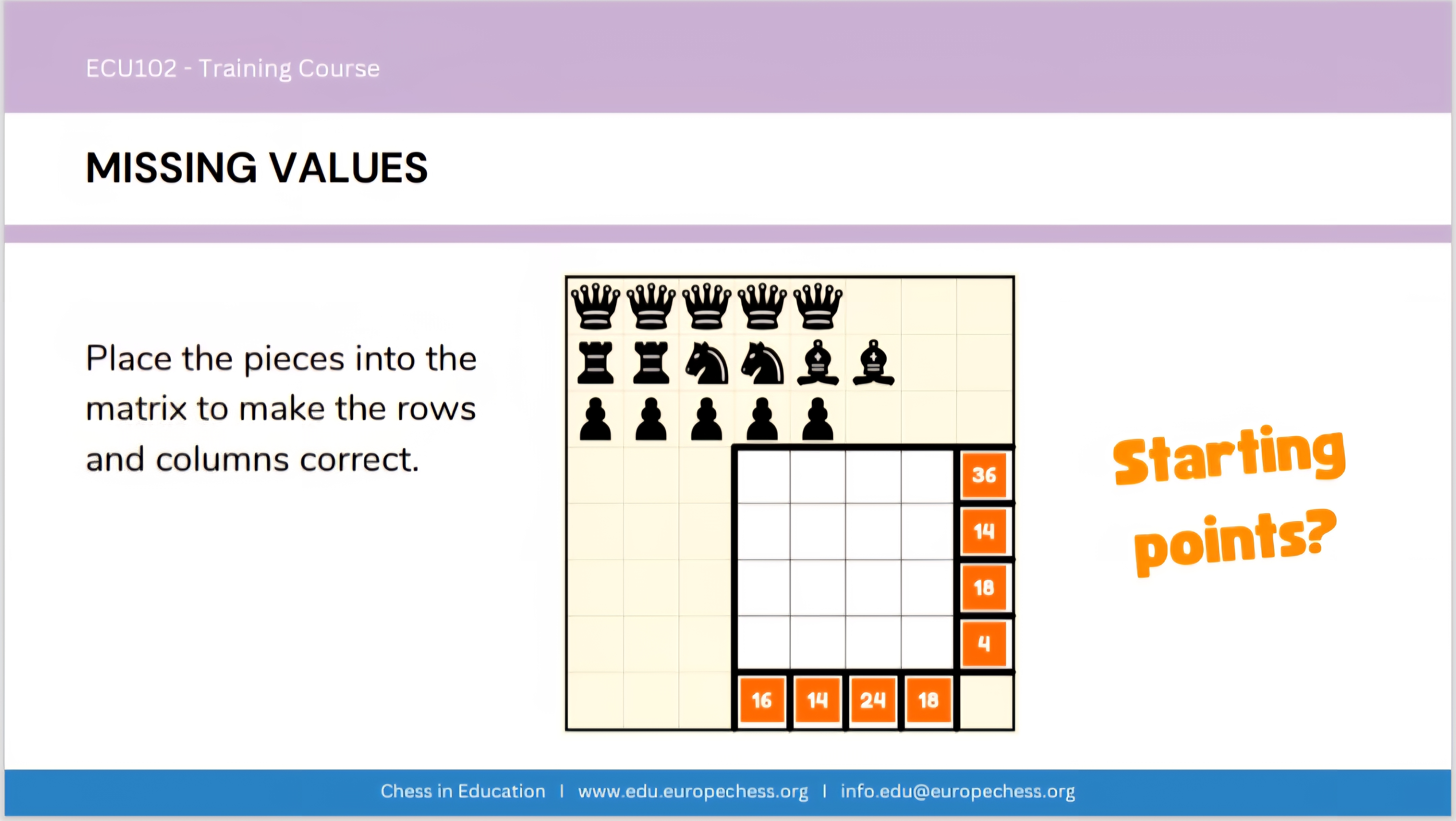
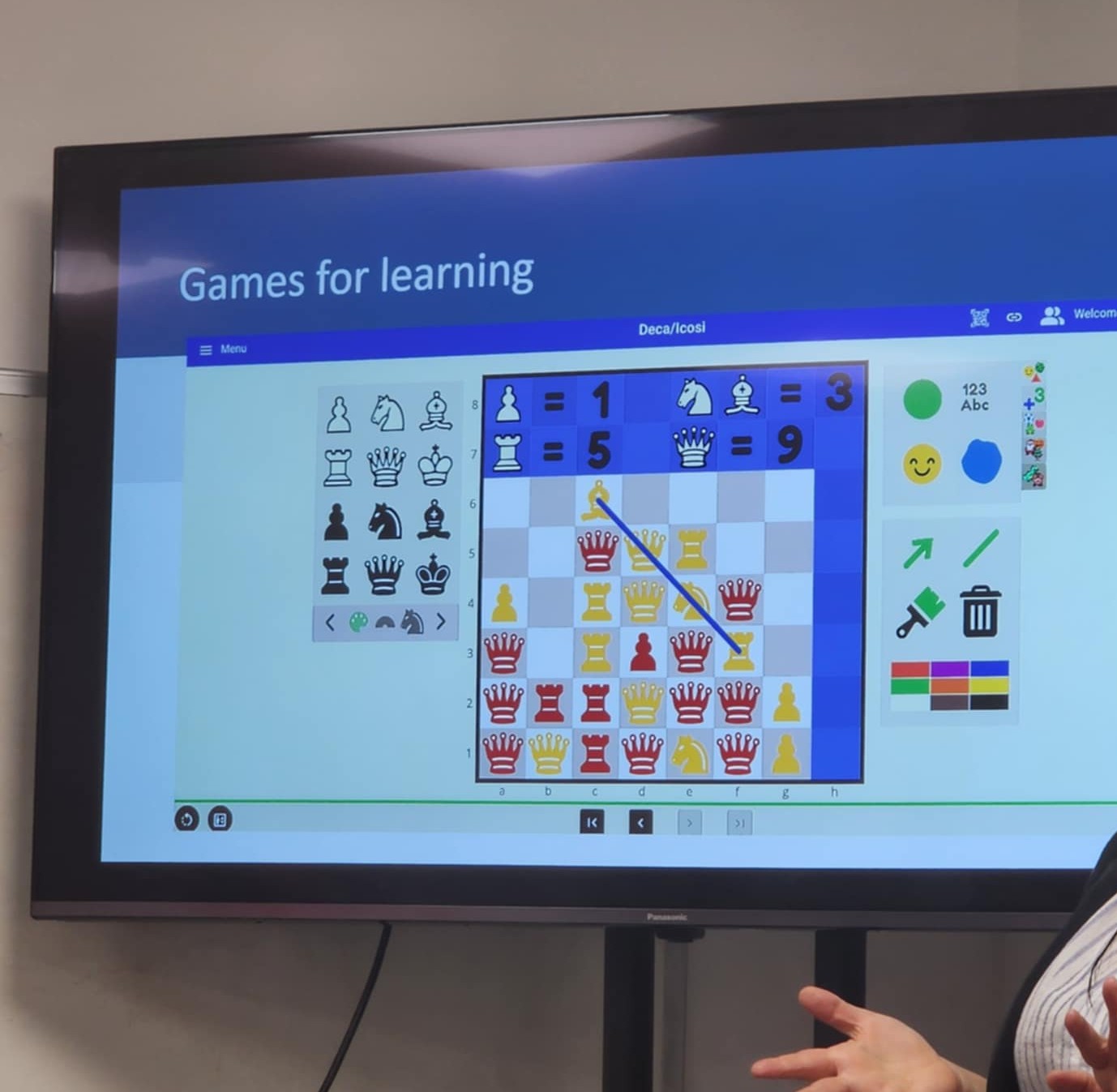
It was so special to see LogiqBoard in action in the various masterclasses and course material. High quality tasks to challenge. Can you match each slide to the trainer?
New friends
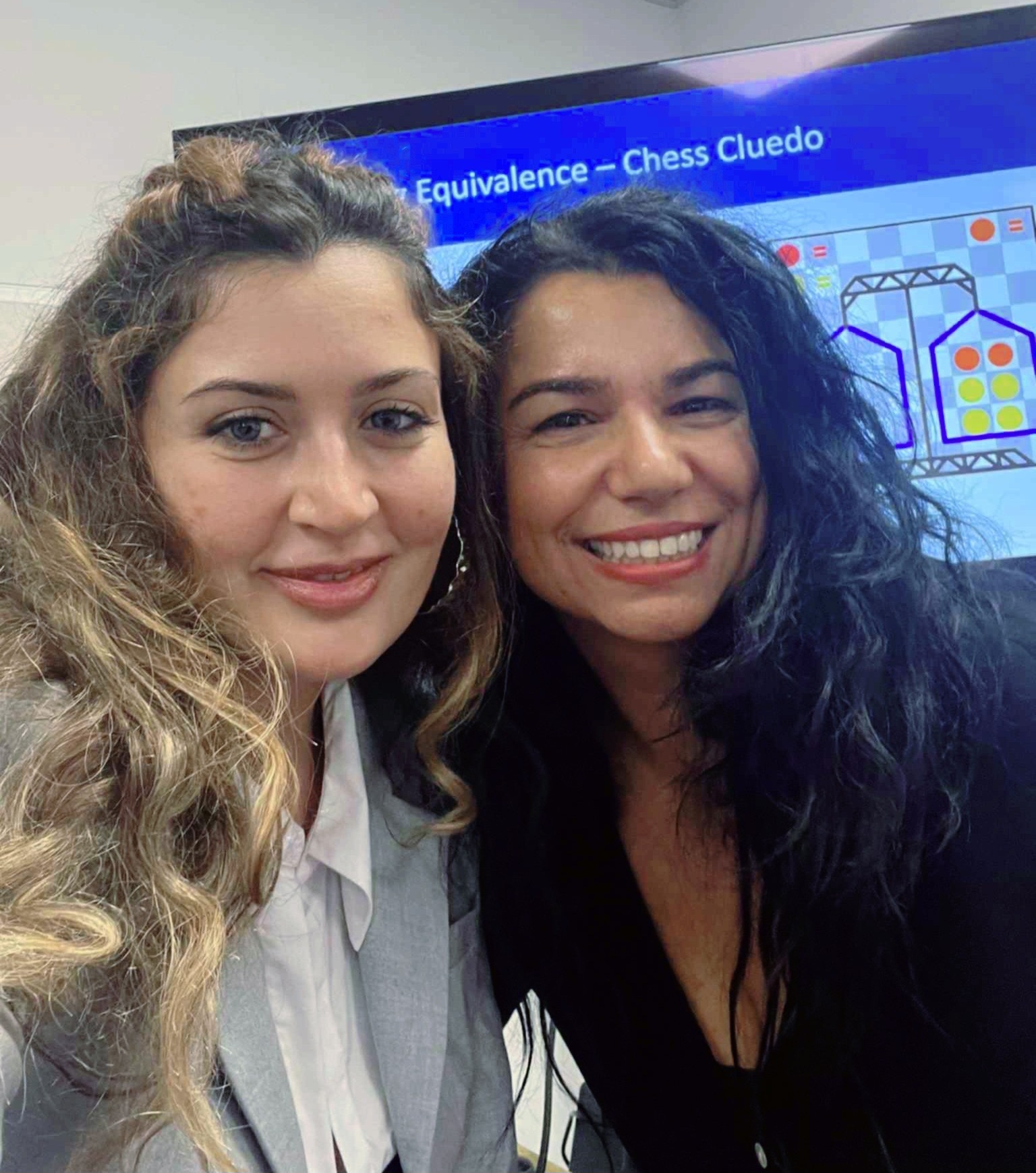
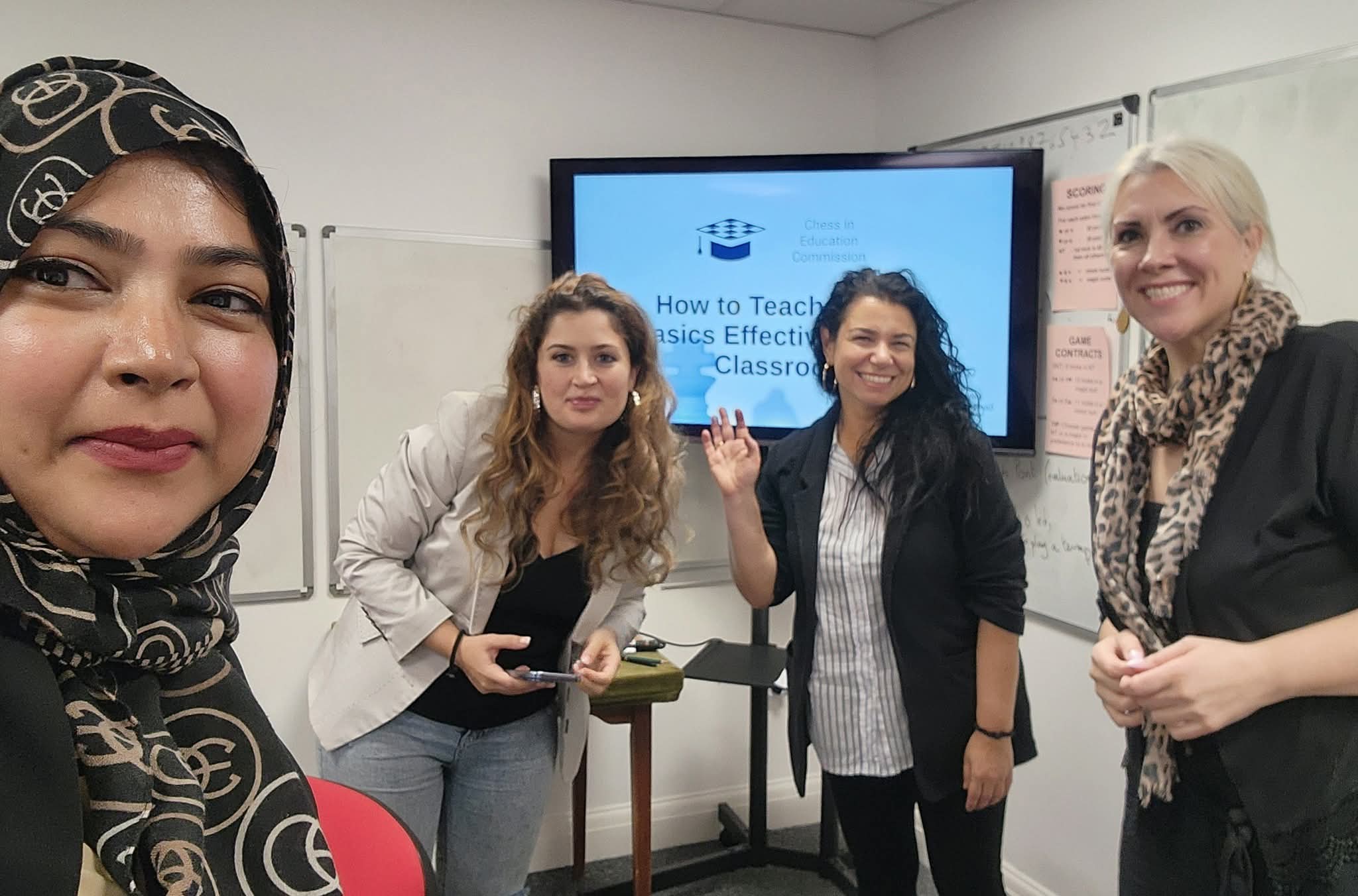
Both Anzel and Alla are rays of sunshine and two dynamic trainers. Engaging and inspiring. It was such a joy to set up in the same room and work alongside them. The weekend was extra special because of them!


The Progressive Rules Approach
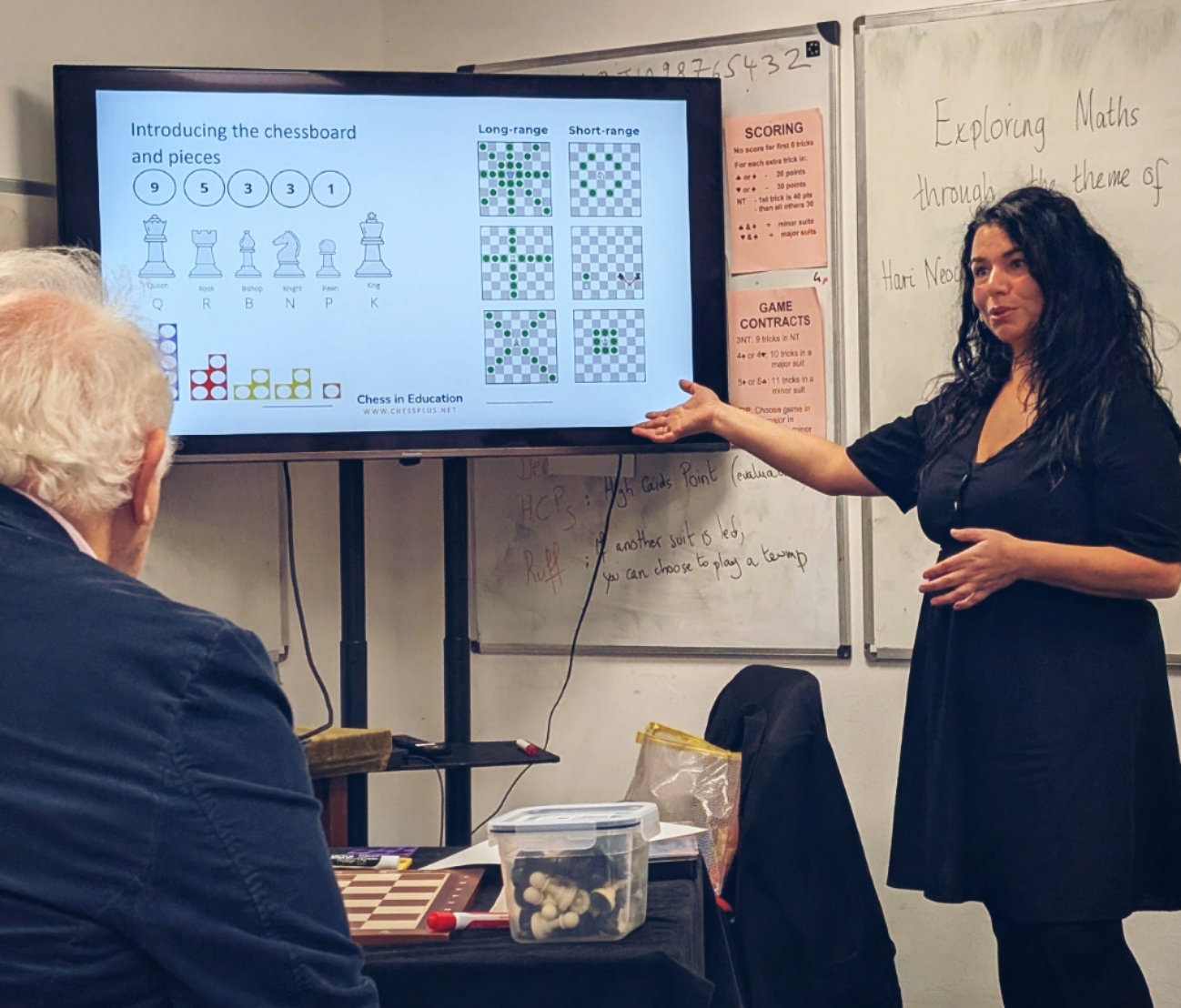
The FIDE curriculum is based on a ‘progressive rules’ approach. Rules of chess are introduced slowly. First, teachers focus on moves and captures. Begin with the bare minimum and build.
Many participants, like myself, were Chess in Schools and Communities tutors. I was very proud to see our tutors giving up their weekend for their own professional development. One thing I know as a primary school teacher is that you must never stop learning. Attending courses, reading research, sharing ideas and professional discussions with fellow educators is so important.
⚠️ Warning ahead
It was fascinating to hear the specifics about how chess is taught around the world. There was outrage (with smiles) when we first heard that the king is taught with captures allowed. This happens in the first sessions. 😮
Mastering moves first
Children learn about check and how kings cannot capture kings in later lessons…
As a CSC tutor I will remain faithful to my excellent CSC curriculum… We have a curriculum to follow but it’s fluid. I often spend two sessions on the pawn.
In my Tottenham school next year where I plan and deliver my own curriculum I will go rogue 😉🤫 I want to explore kings capturing kings for myself.
Lesson Sequence, pawns come later!
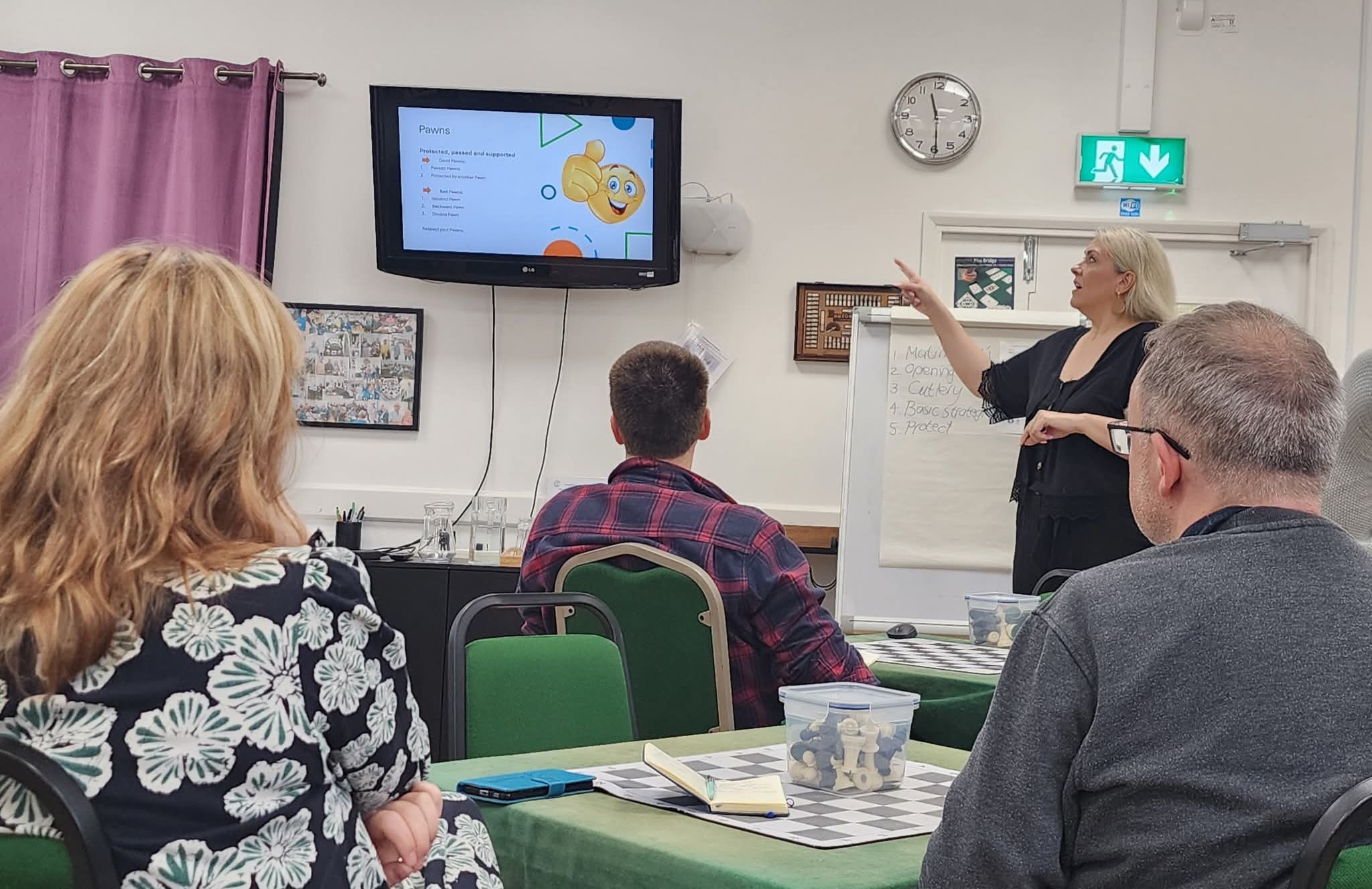
Another controversial moment, (less shocking) is that the pawn isn’t taught first. It’s the last chess piece to be taught. The rook is first.
Small yet complex
The pawn is the only piece that moves and captures in a different way. It cannot go back or move sideways. On it’s first move from the home square it can choose to move two or one square forward. Let’s not forget pawn promotion and much later the en passant move is taught. I can see why the pawn isn’t taught first in the POT course….more for me to explore in my own chess class…
Shake it Up!
The best conferences and education gatherings should make you think. They should question your practice and make your reflect on your strengths and areas to develop/explore.
It’s also important to show your audience what’s happening on the ground, in the classroom. If I leave a course or conference wondering ‘so what exactly does a lesson look like in their hands?’ then they’ve failed. Big vision talks are for keynote speakers only!
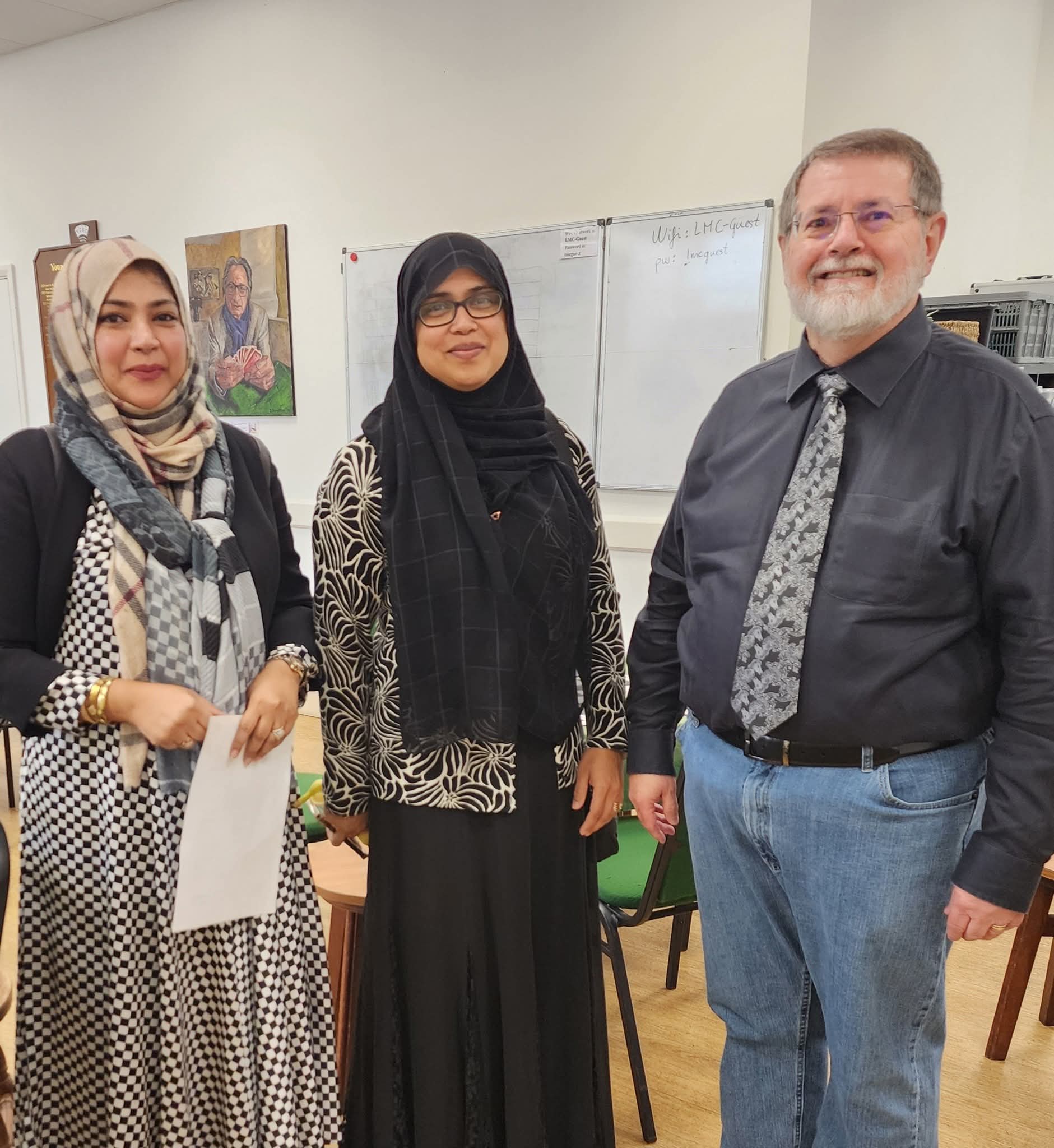
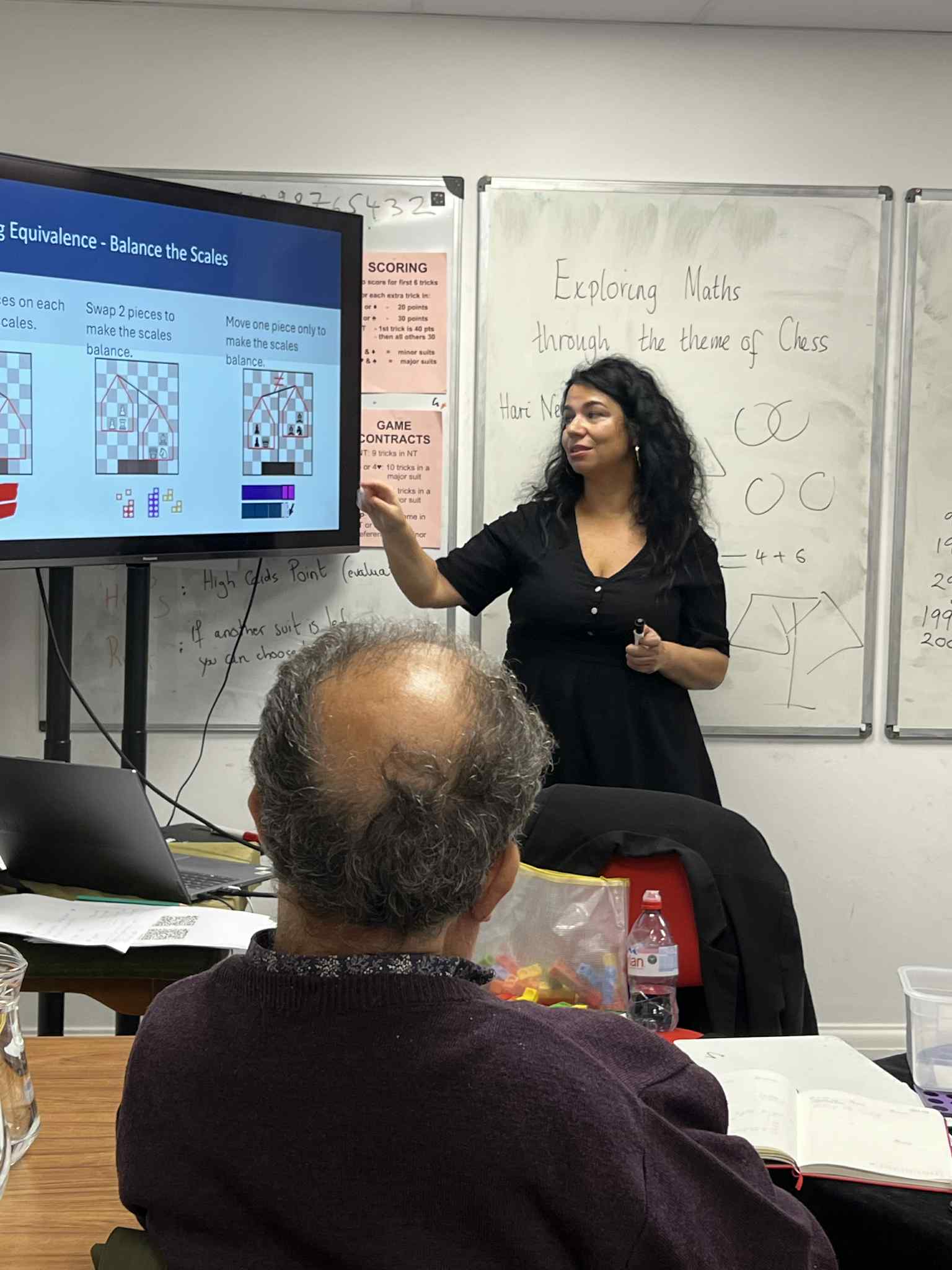
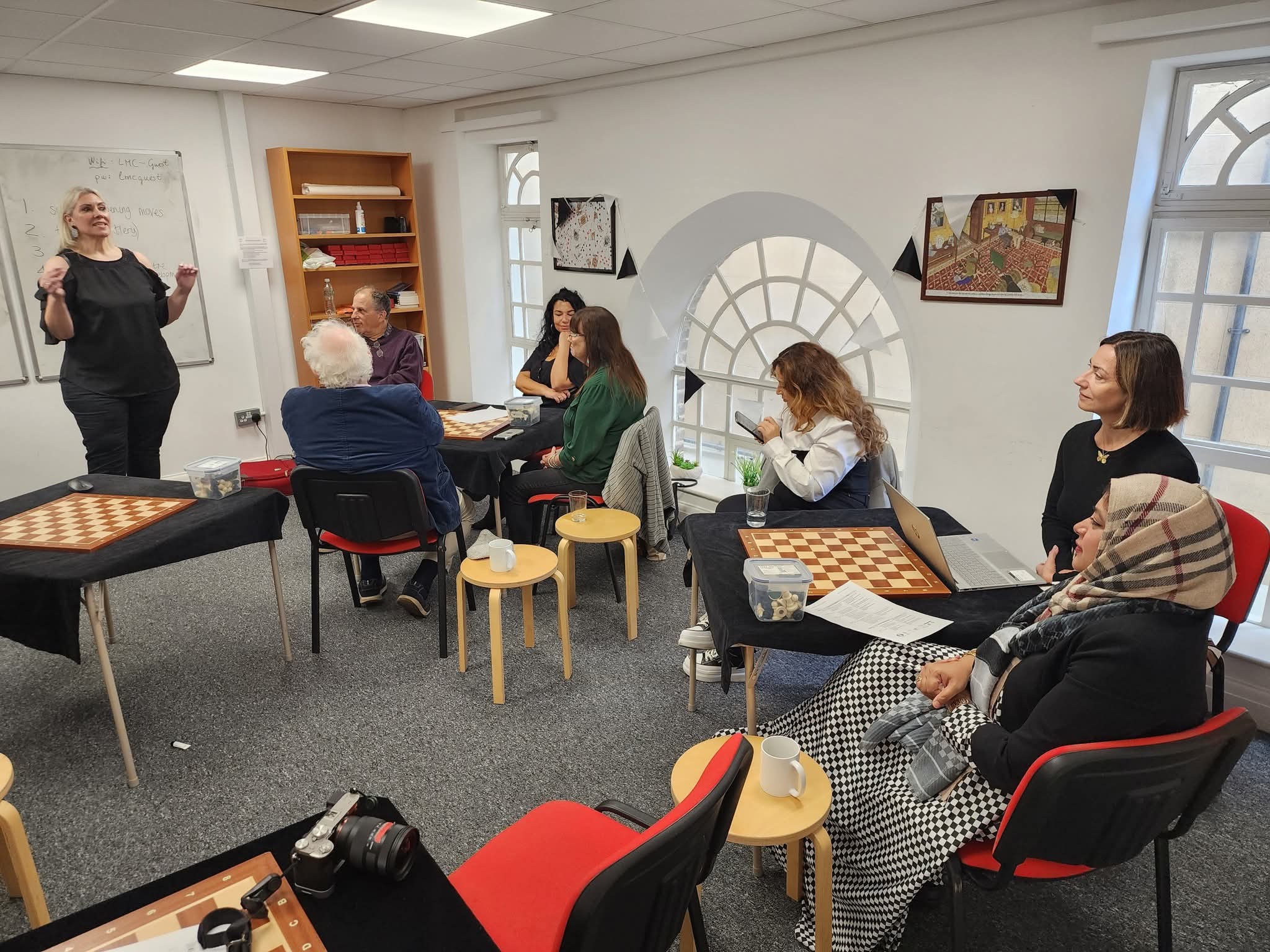
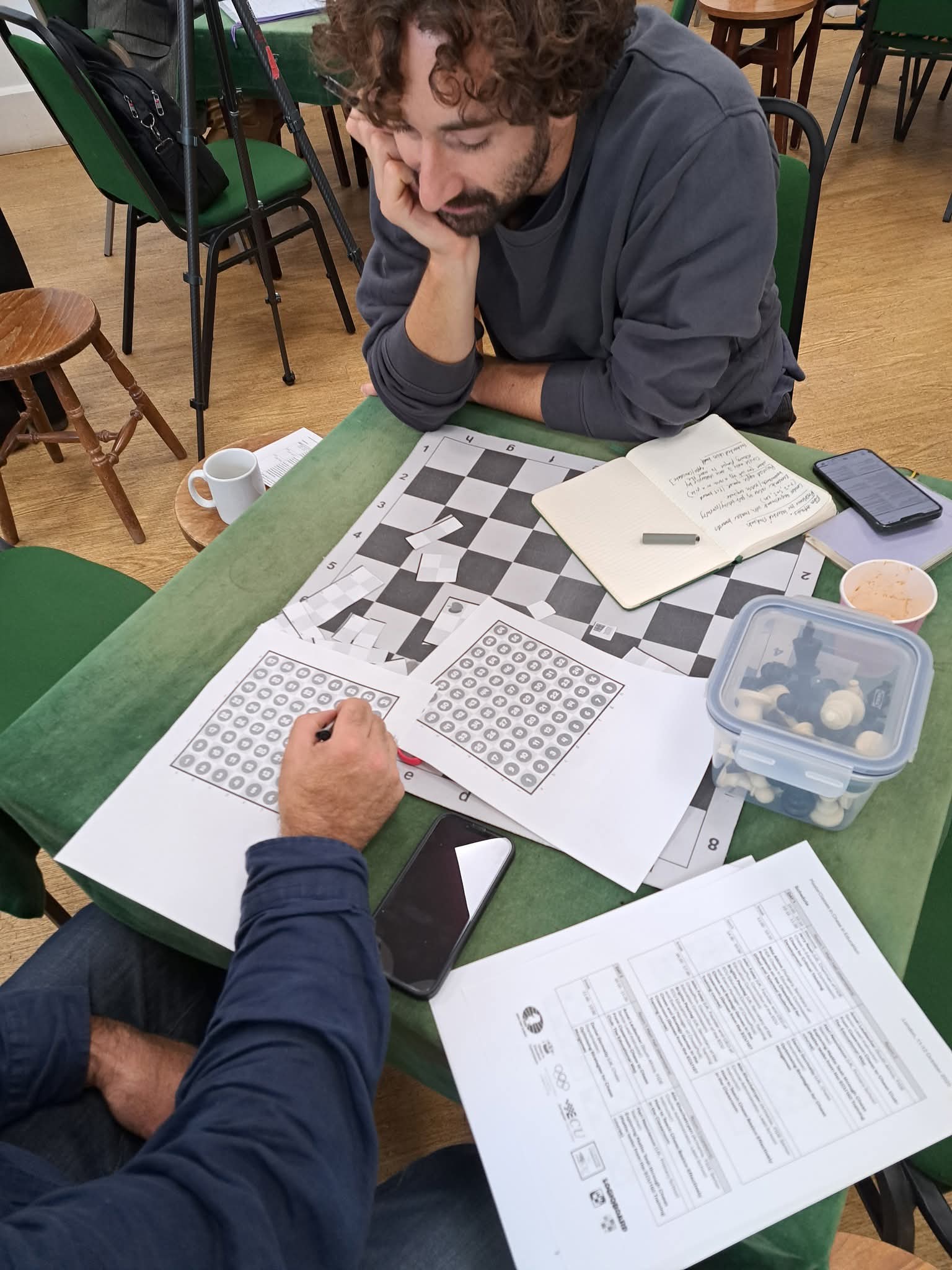
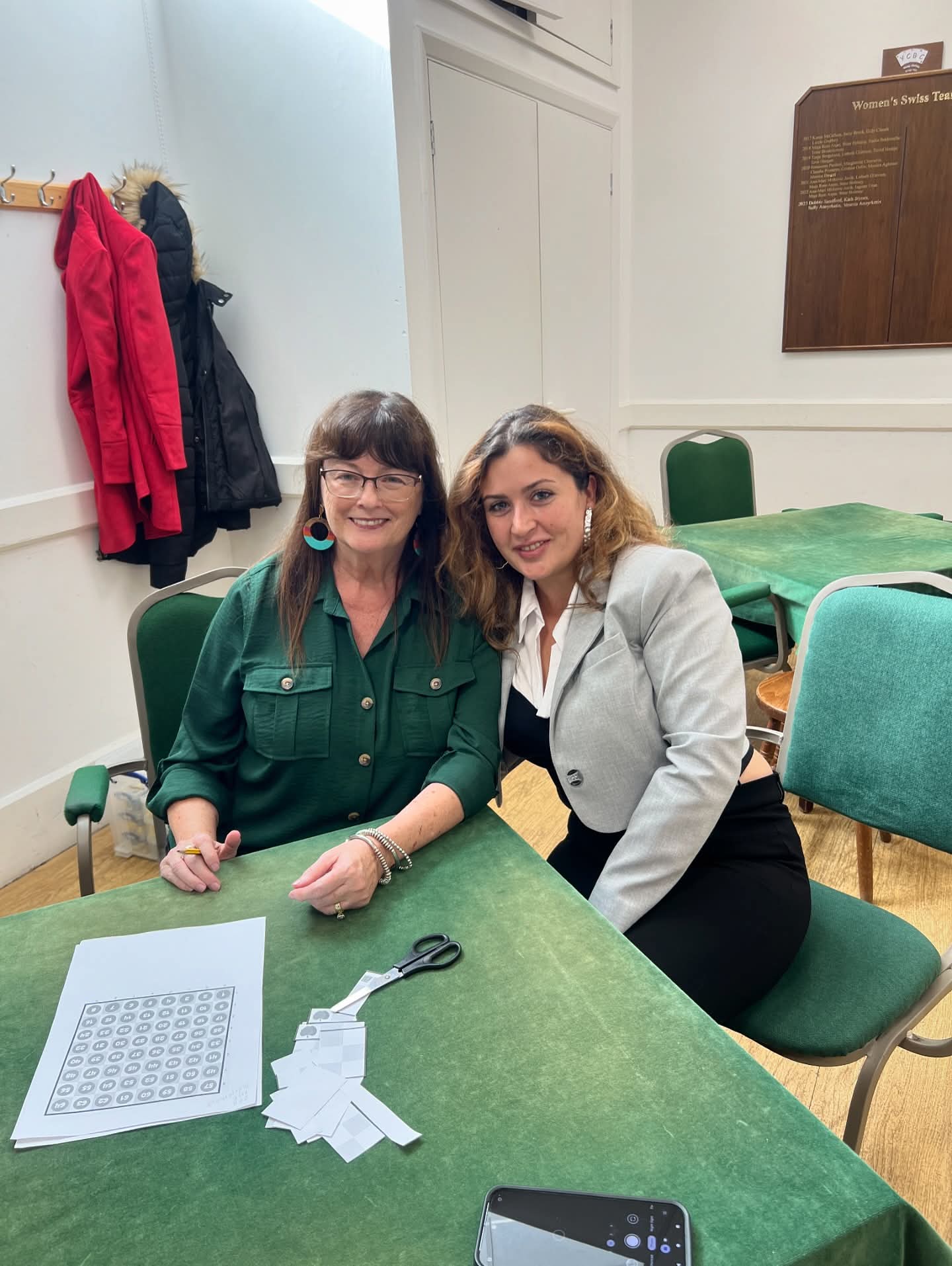
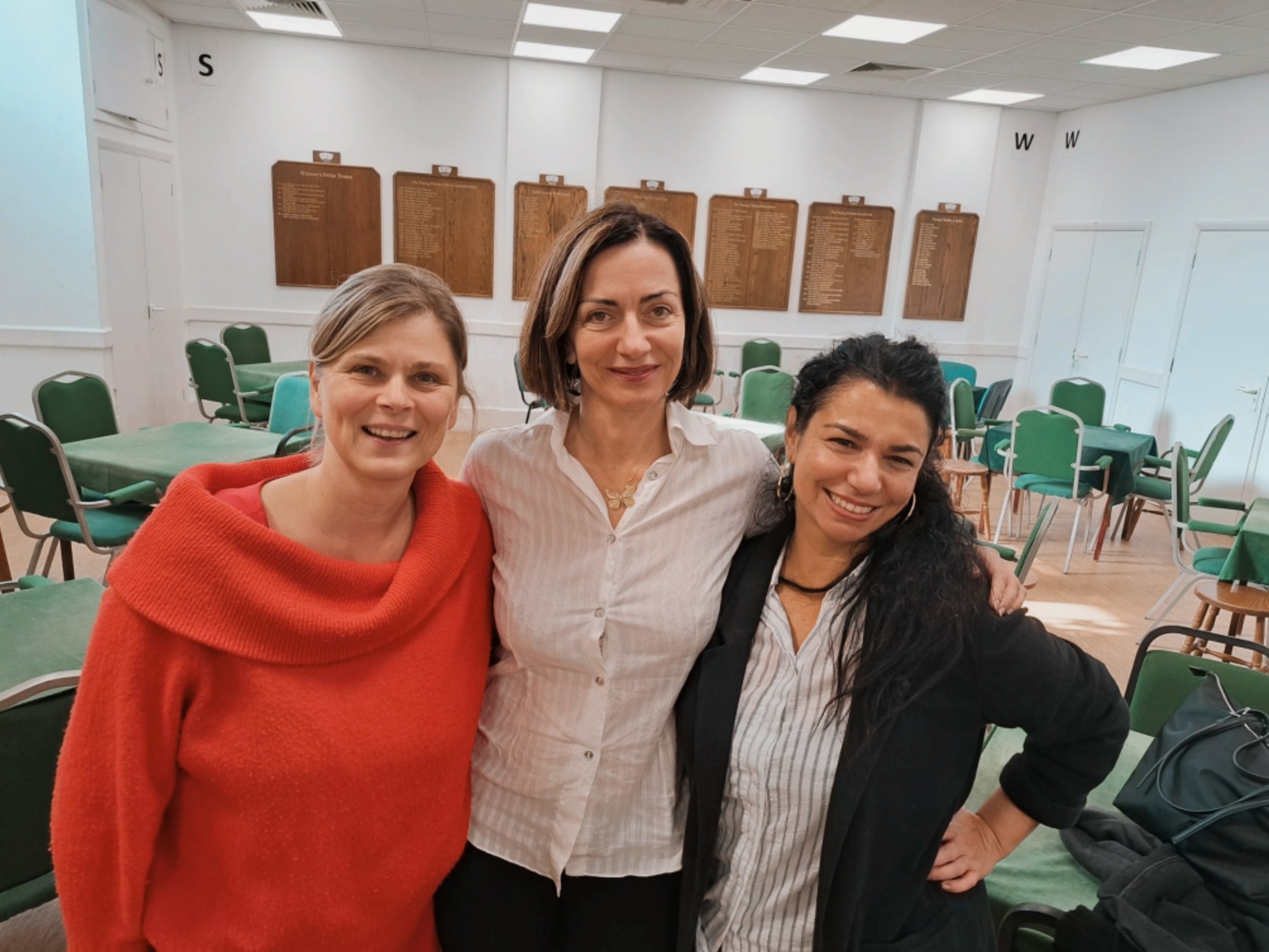
Photo highlights from our Masterclasses
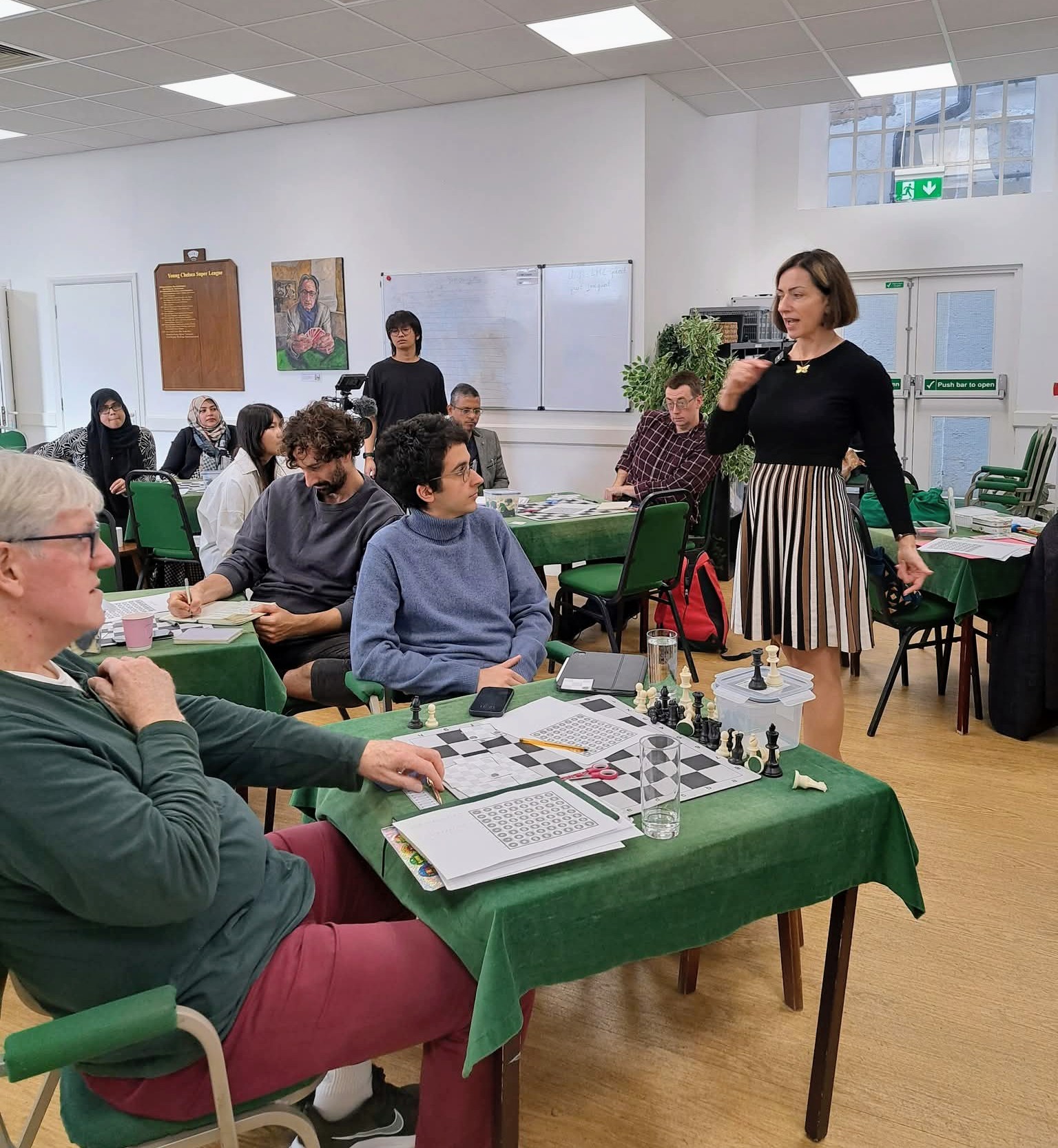
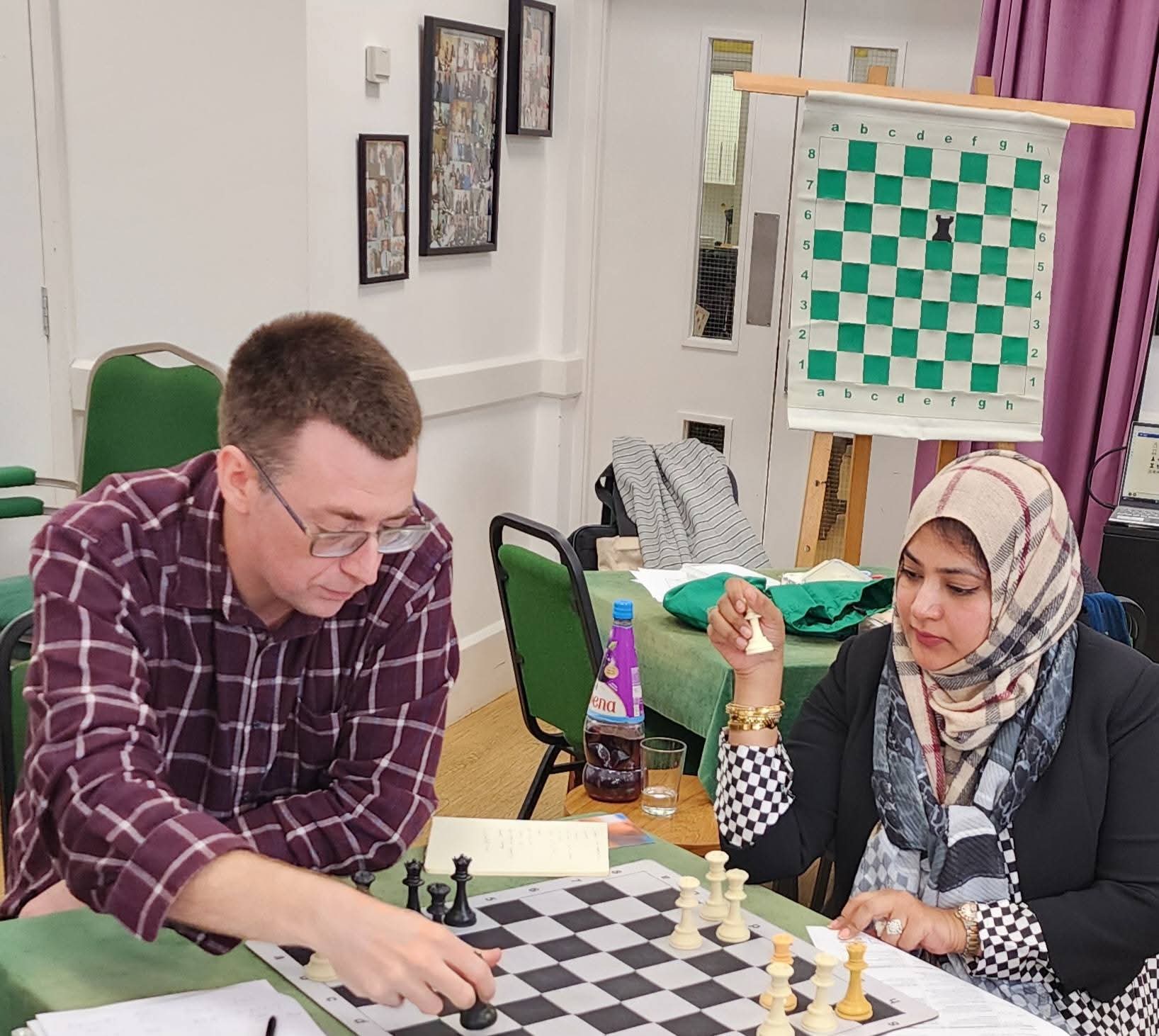
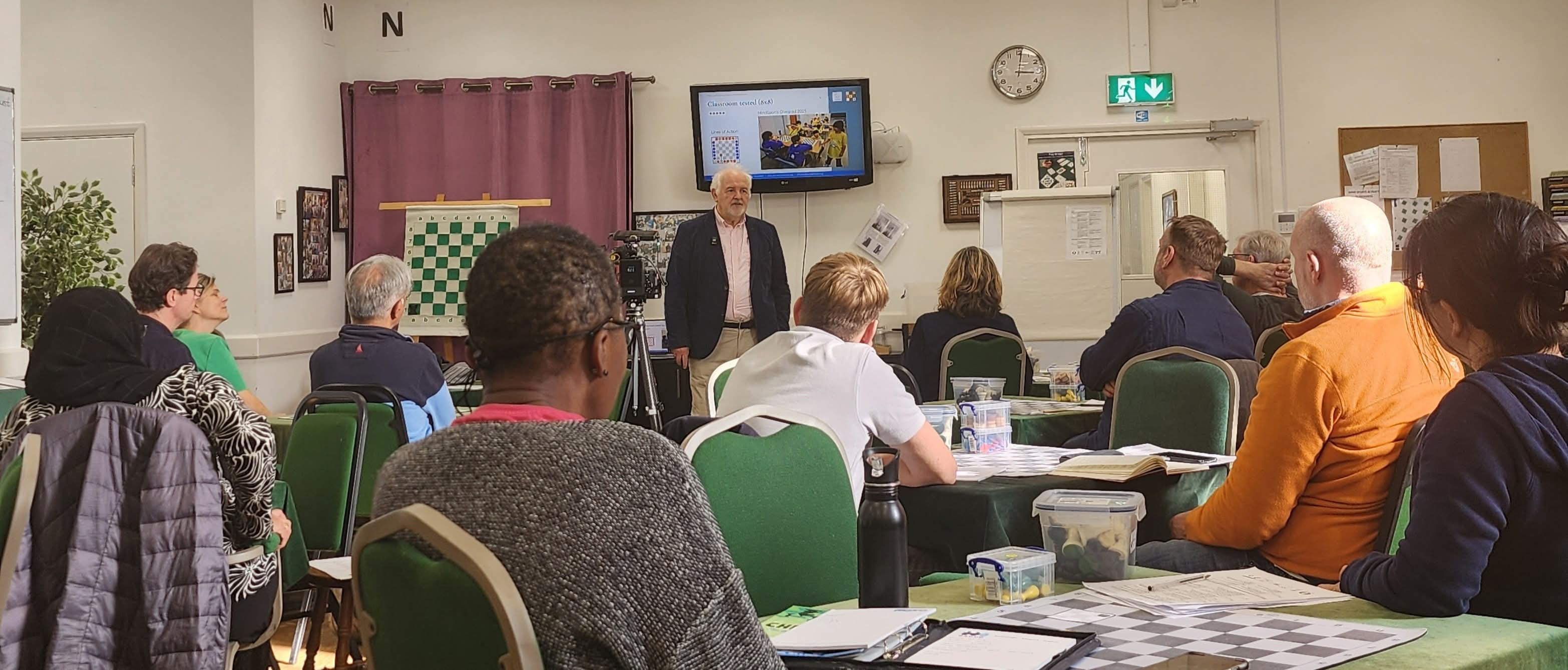

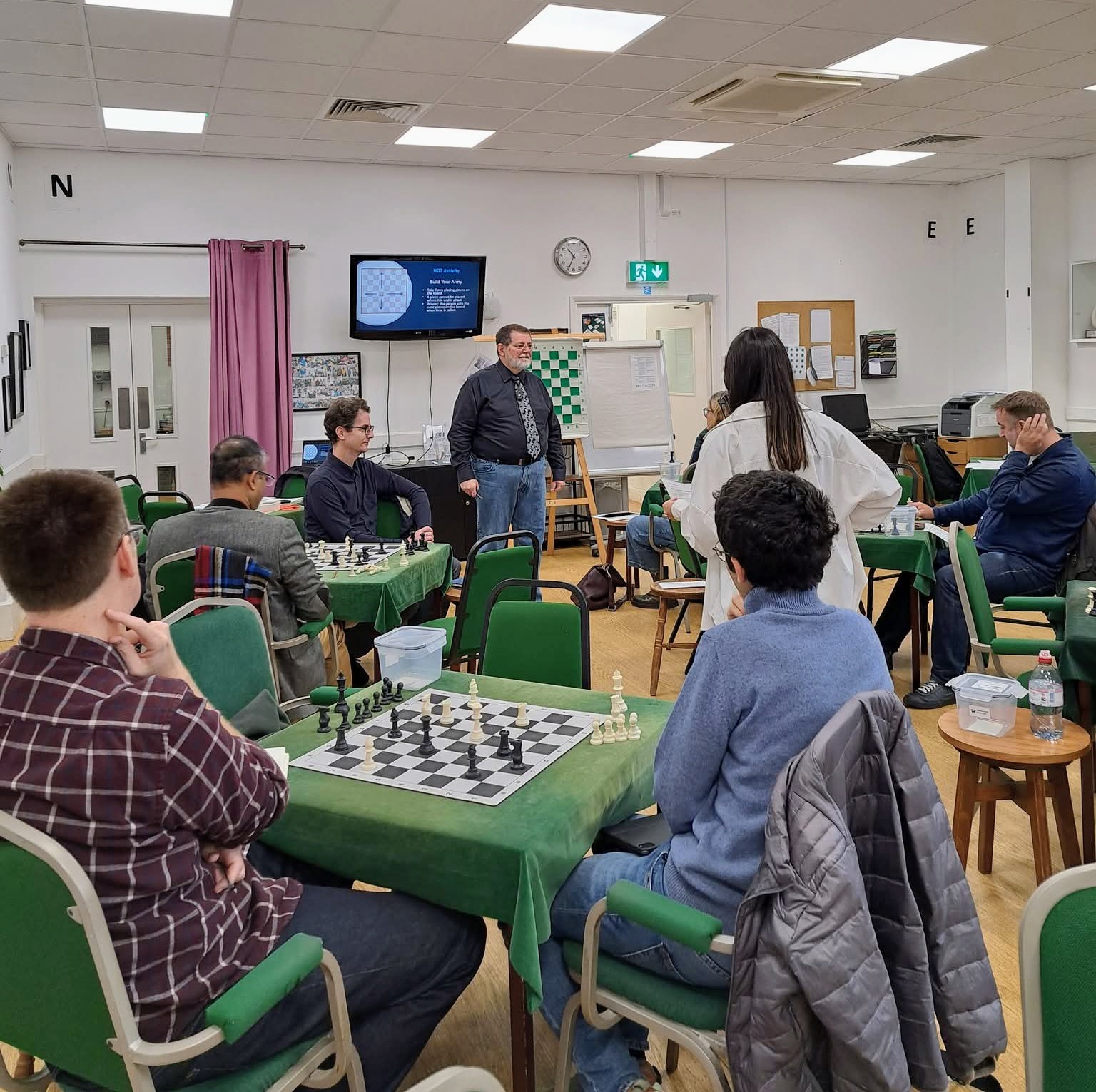
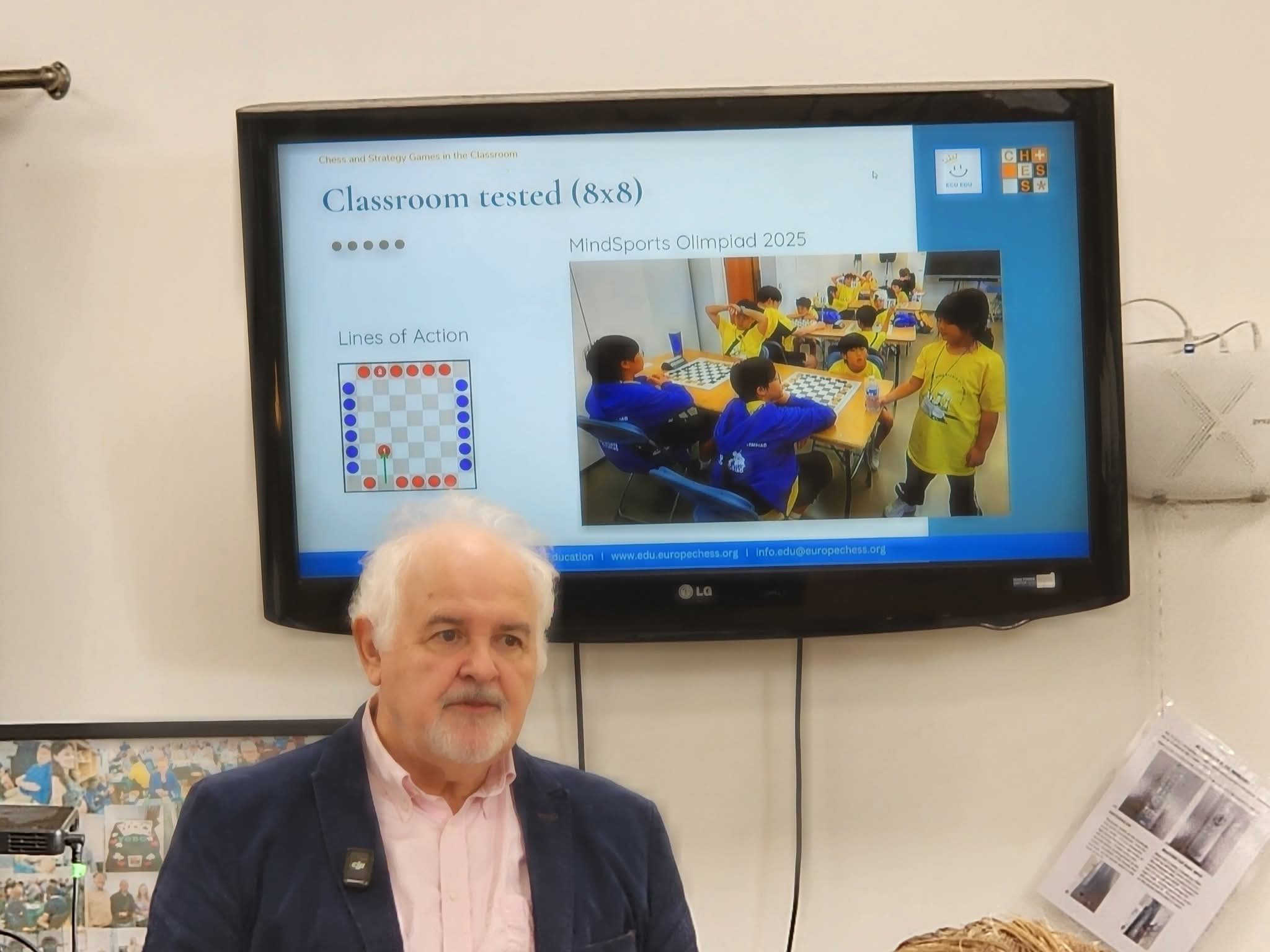
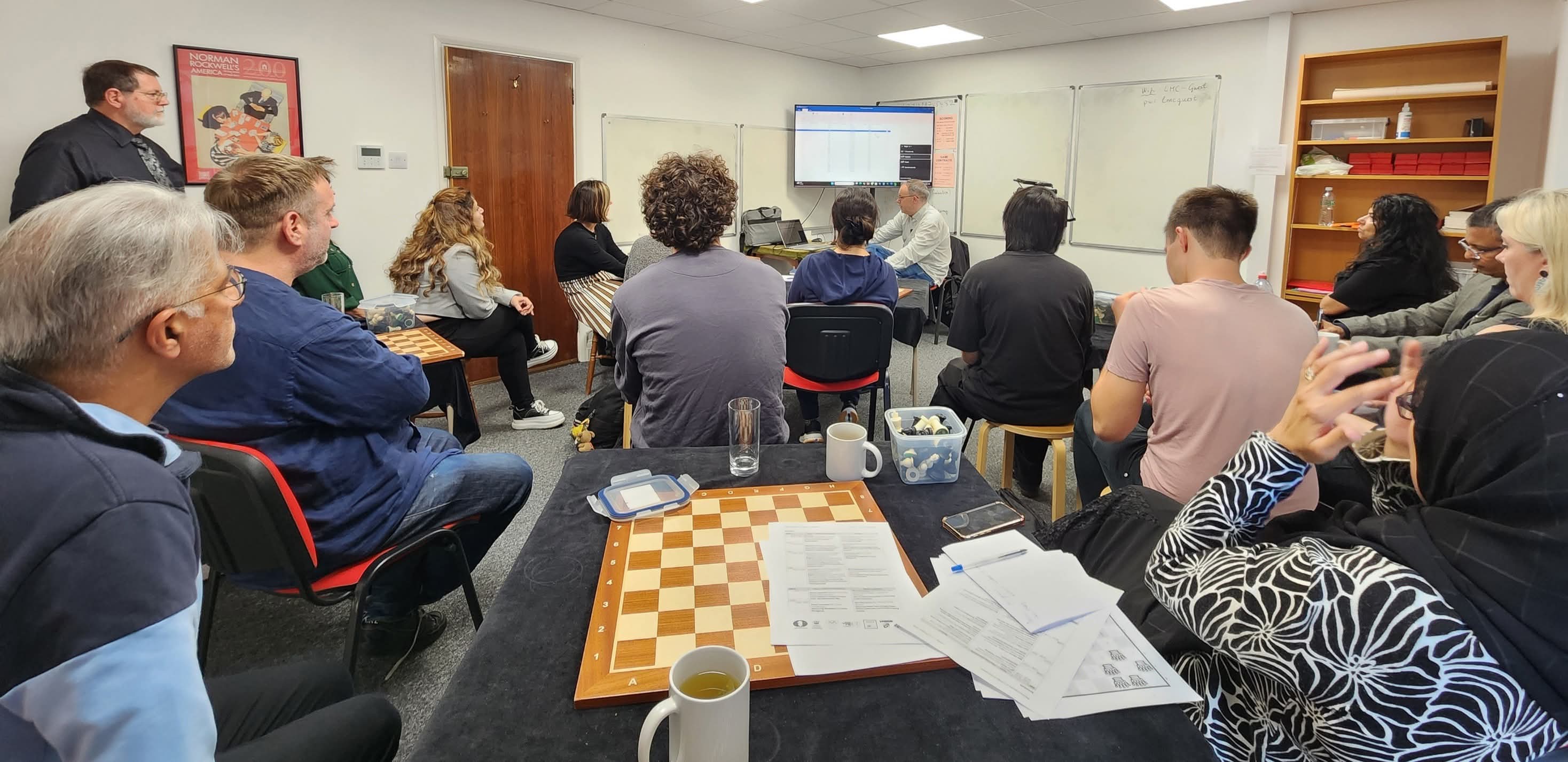
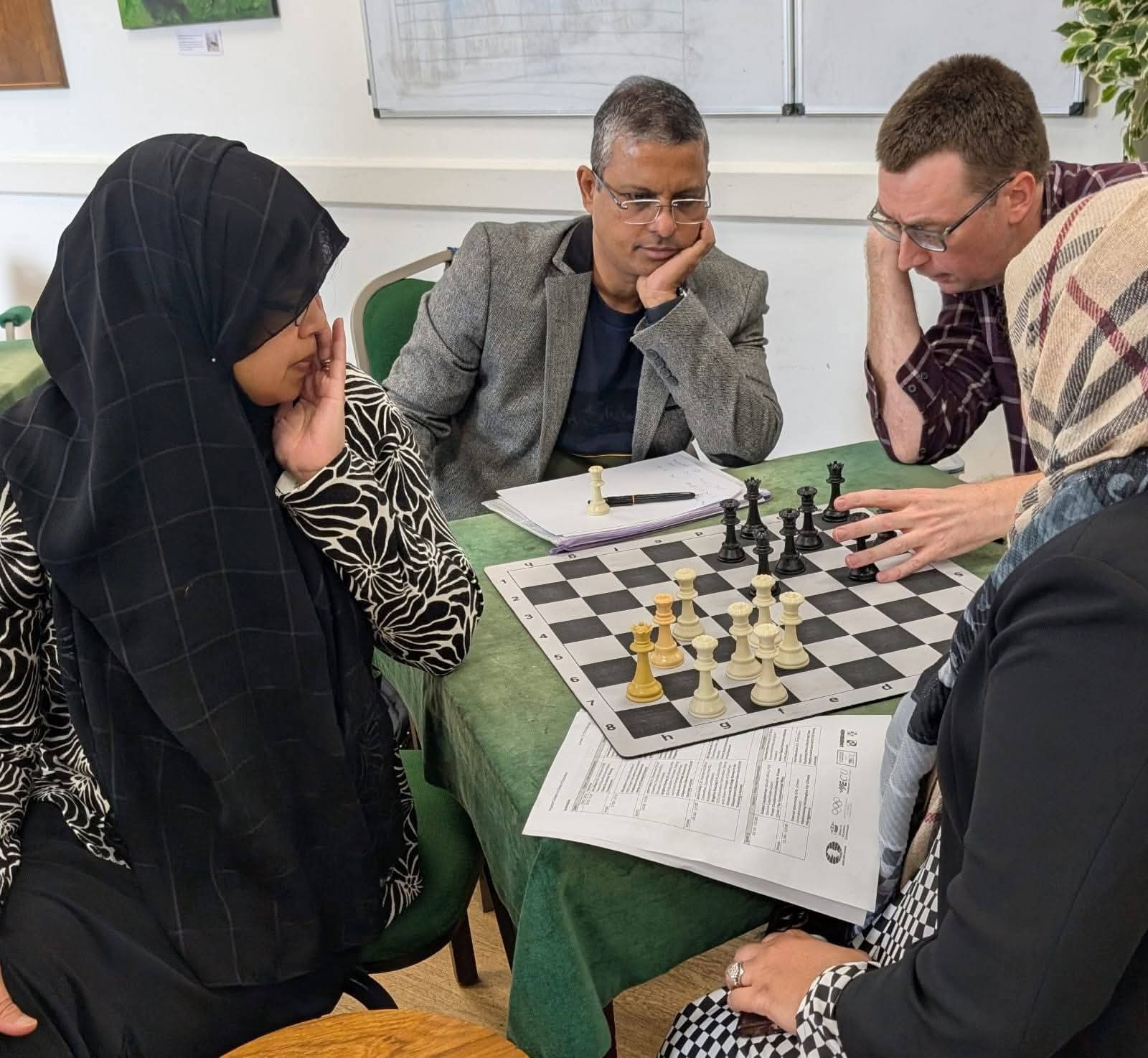

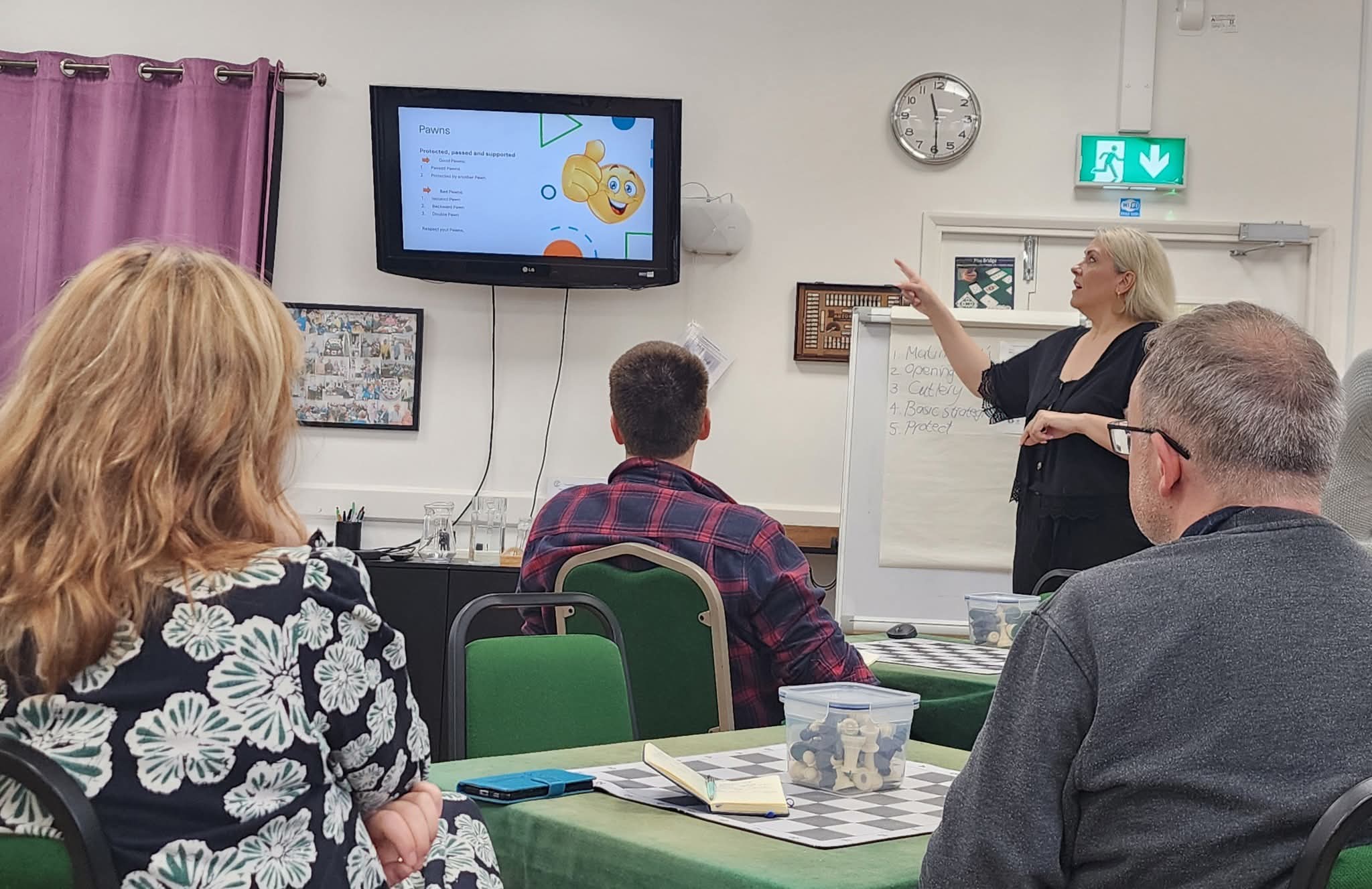
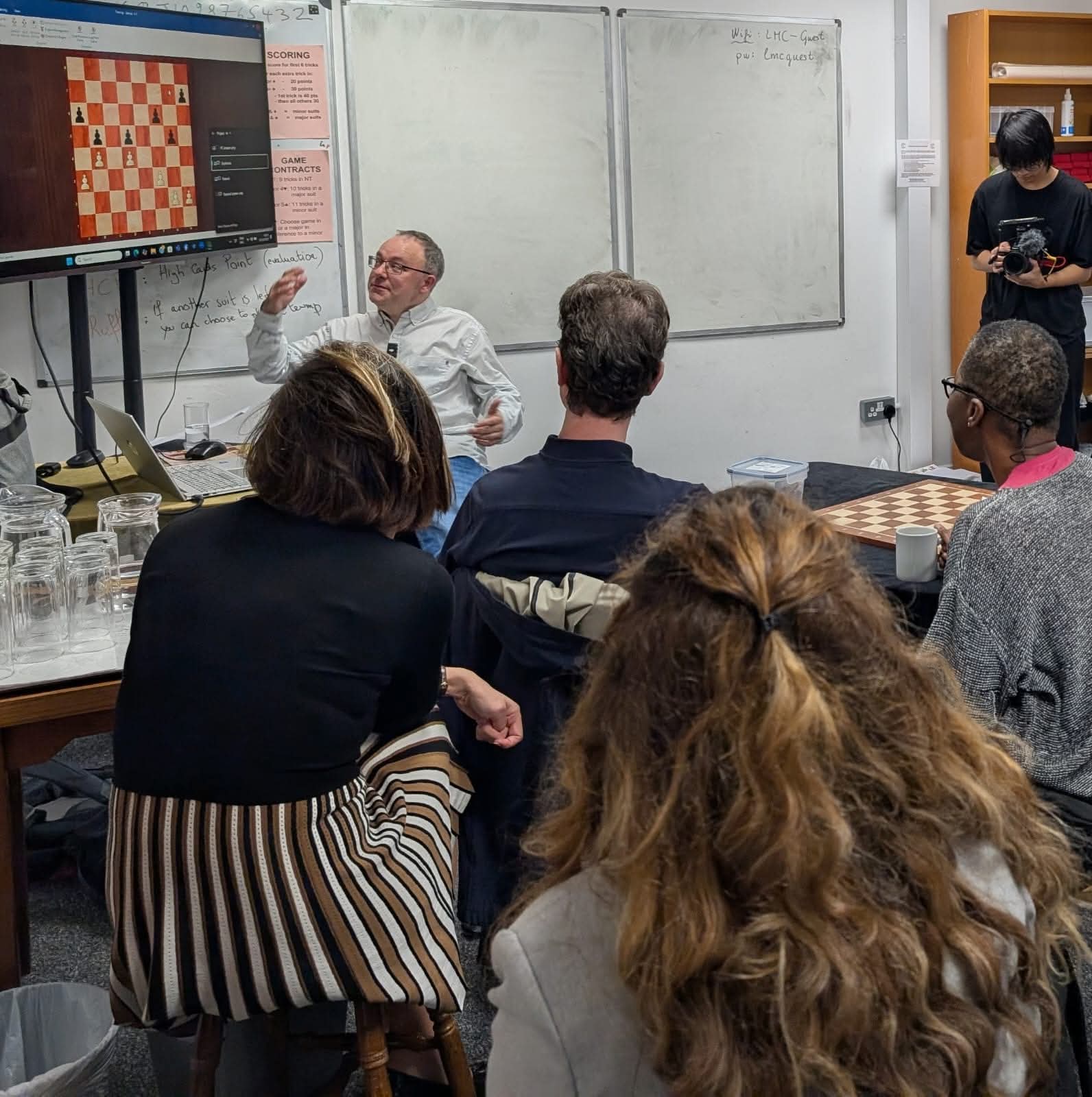
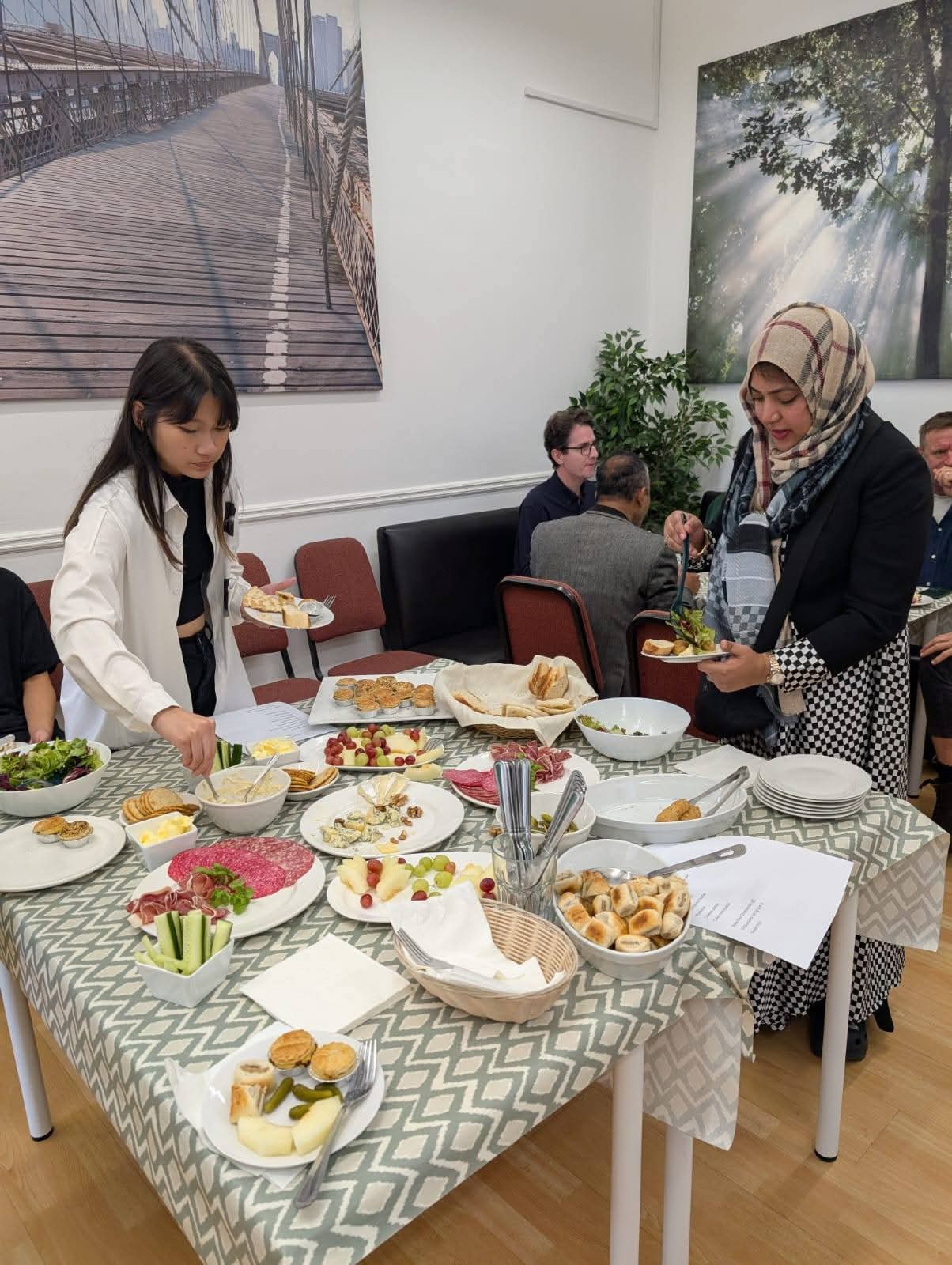
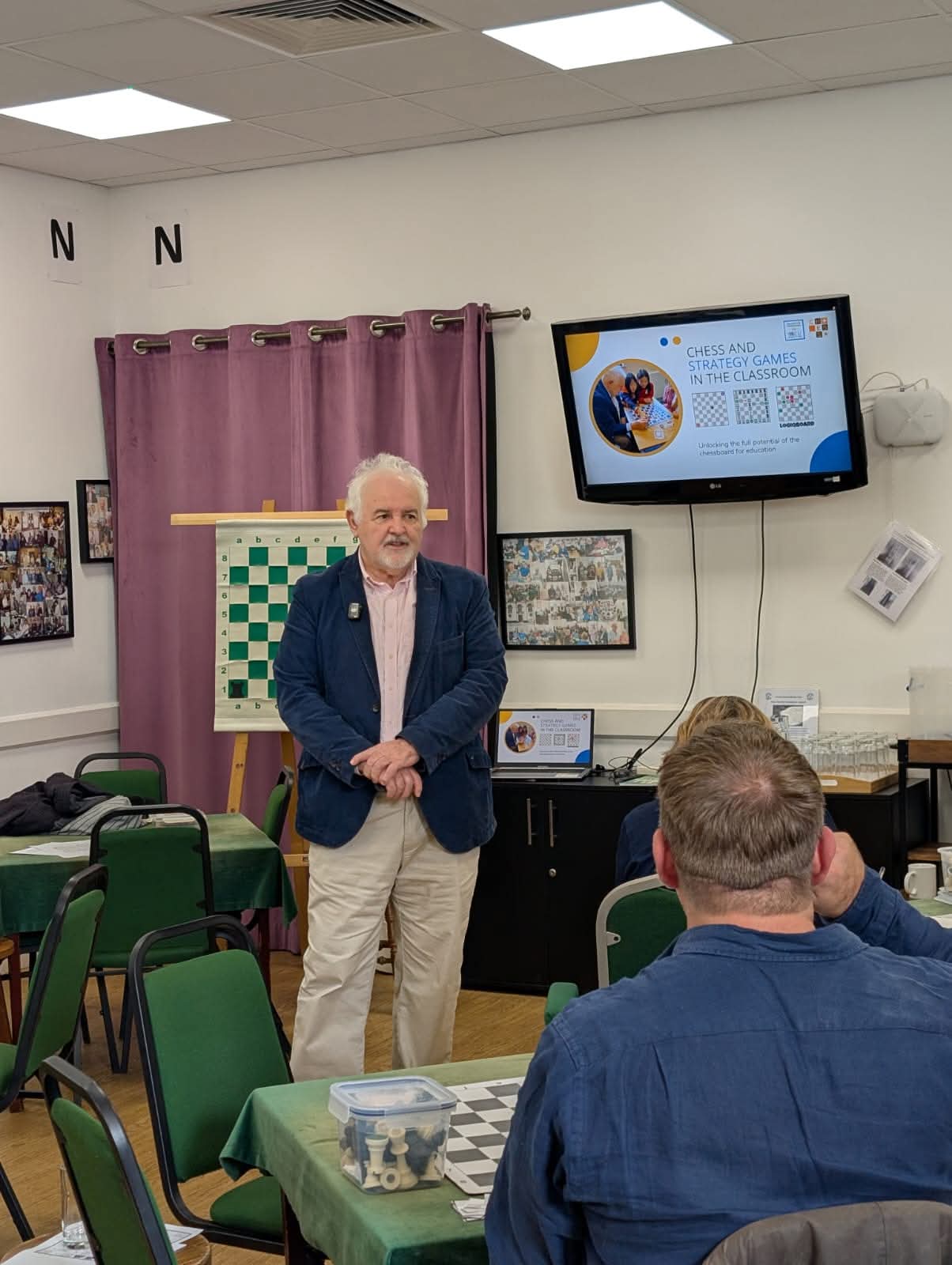
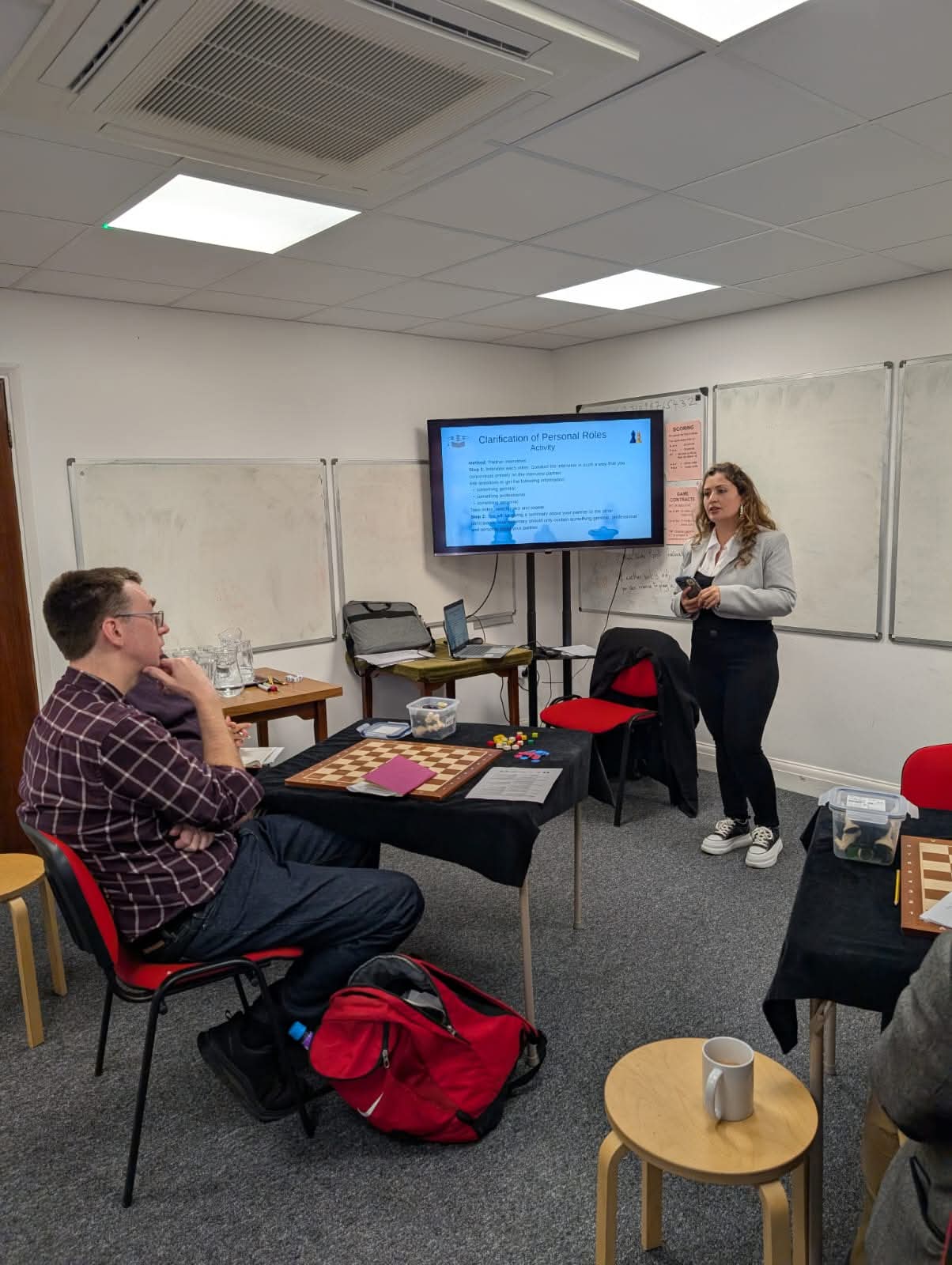
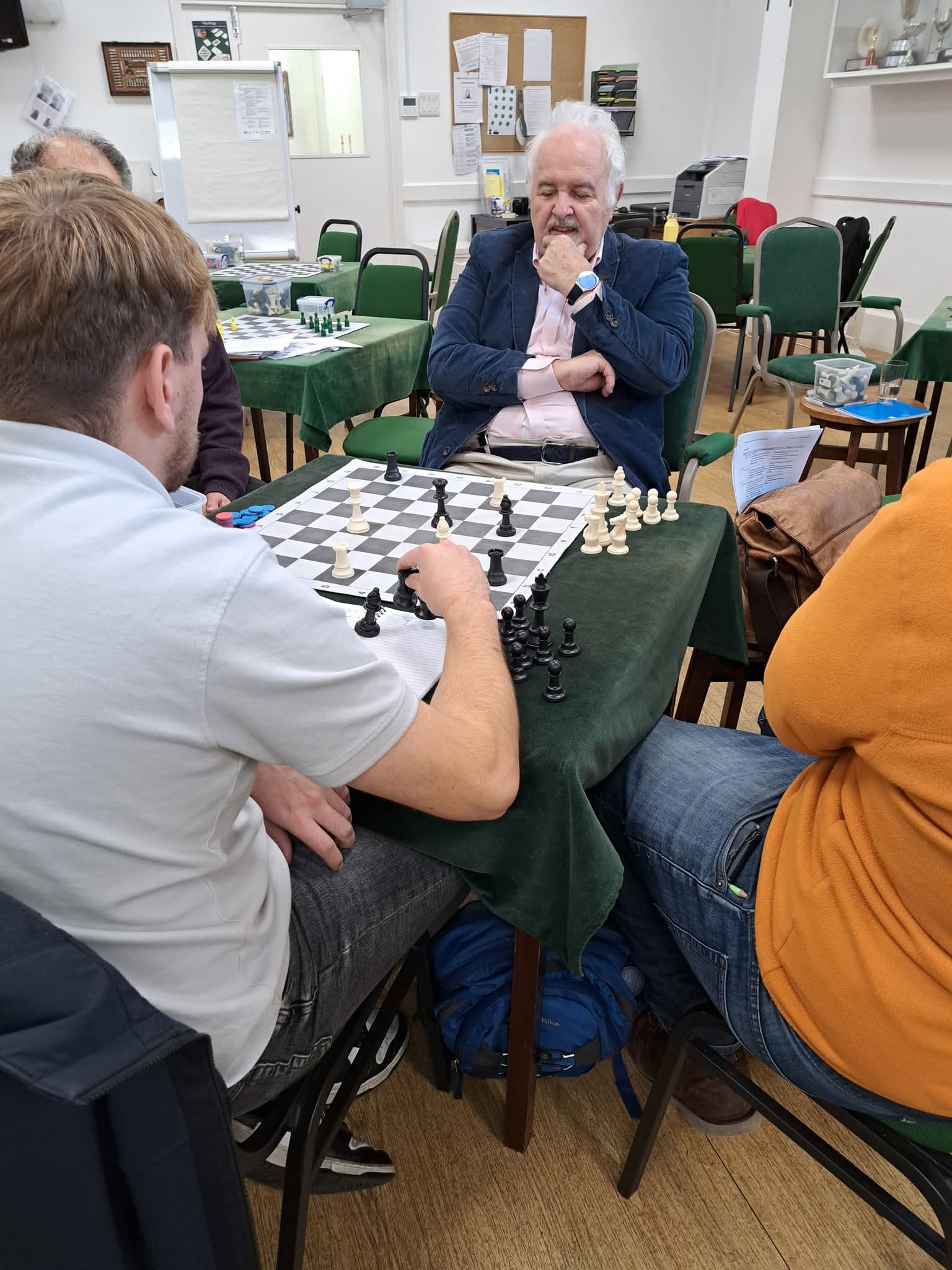
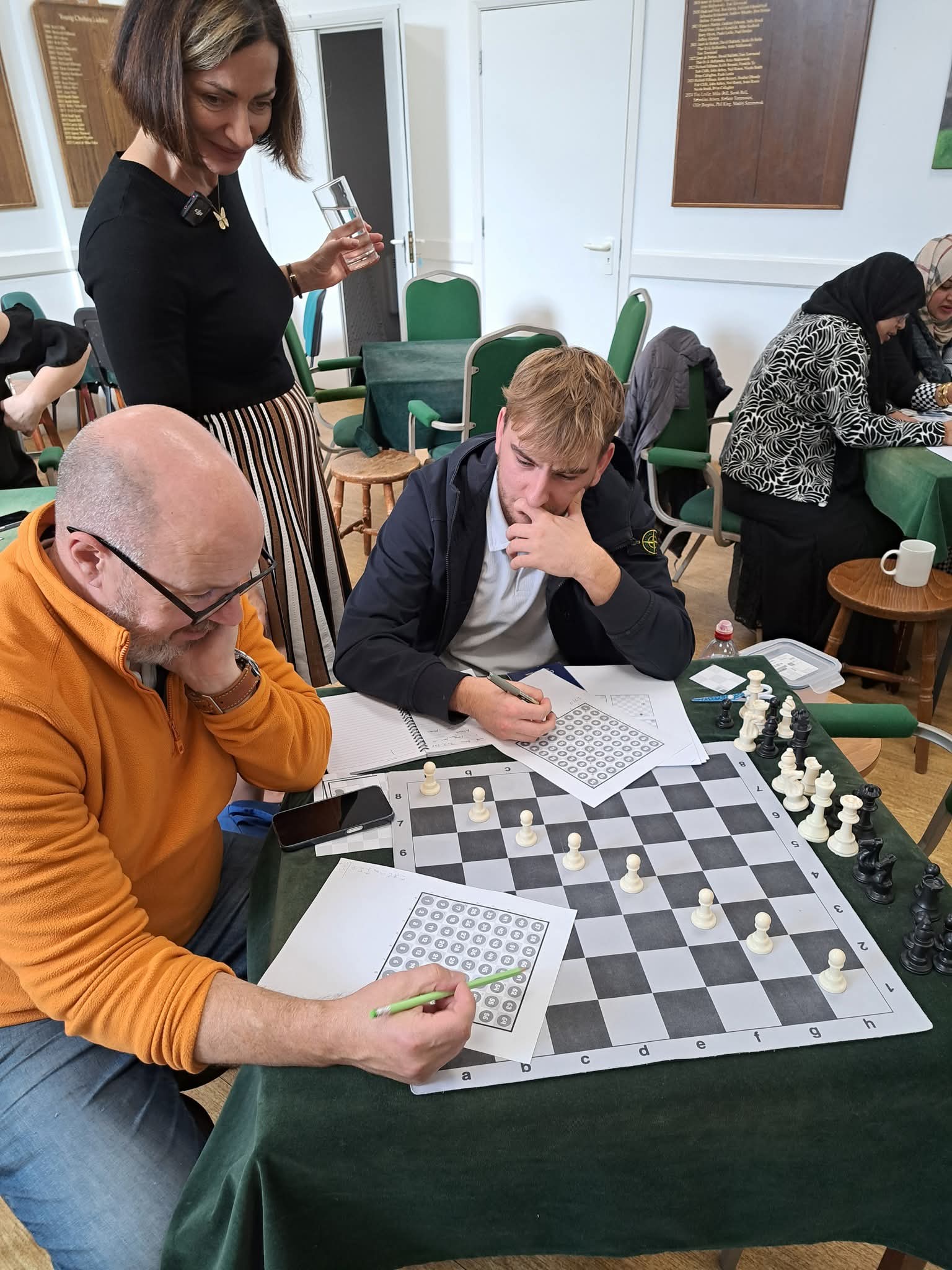
Chess pieces can talk?!
I loved the playful approach shared by Alla and Anzel, perfect for the primary classroom and even beyond.
Anzel’s creative talk focused on how we teach at club level having moved on from scholastic chess. She also spoke about talking to the pieces, how do they feel right now? Look at their position, what’s going on? This ‘chess piece perspective’ works.
Ask your king how he’s feeling?
On Friday my year 5 students played doubles for the first time this year. I decided to stop them midgame and asked them to interview their King. How is he really feeling? Why? A simple and effective approach where they realise on their own what they’ve done right or wrong.
Pyjama squares. 🛌
I also stole some fab vocab from Anzel, I used the words ‘pyjama squares’ to describe the home positions.
More mini games
Alla shared games and creative exercises on LogiqBoard, some of which I’d not seen before. I could see that games weren’t always pawn based but rather on pieces learnt so far.
Rook Rivals
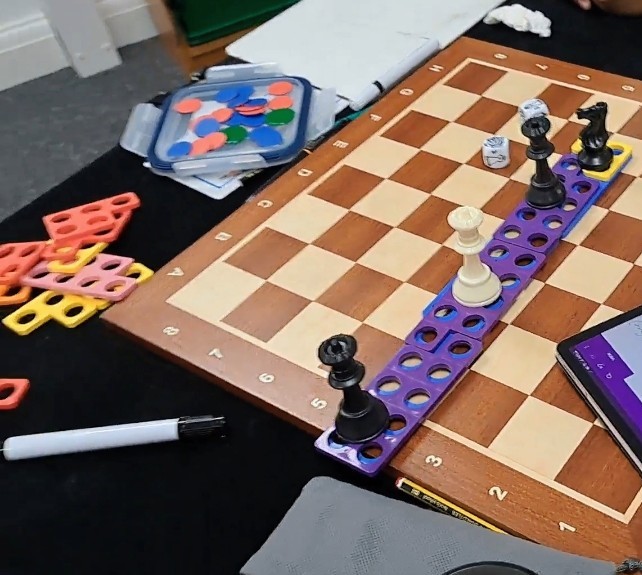
I love adding to my repertoire of mini games and played Alla’s Lego Rook game. First scatter some 2×2 lego pieces across the chess board squares.
Player A chooses a starter brick (this brick is their rook) and slides it in straight lines like a rook. Each player takes turns but must only make a move where they end up with a brick capture. (Building your high tower as you collect!)
Another version is to move as a rook does, but each move doesn’t have to be a capture.
Another version could included rook captures.
A fun simple game where the aim is to build the highest tower, practising rook moves and visualisation skills.

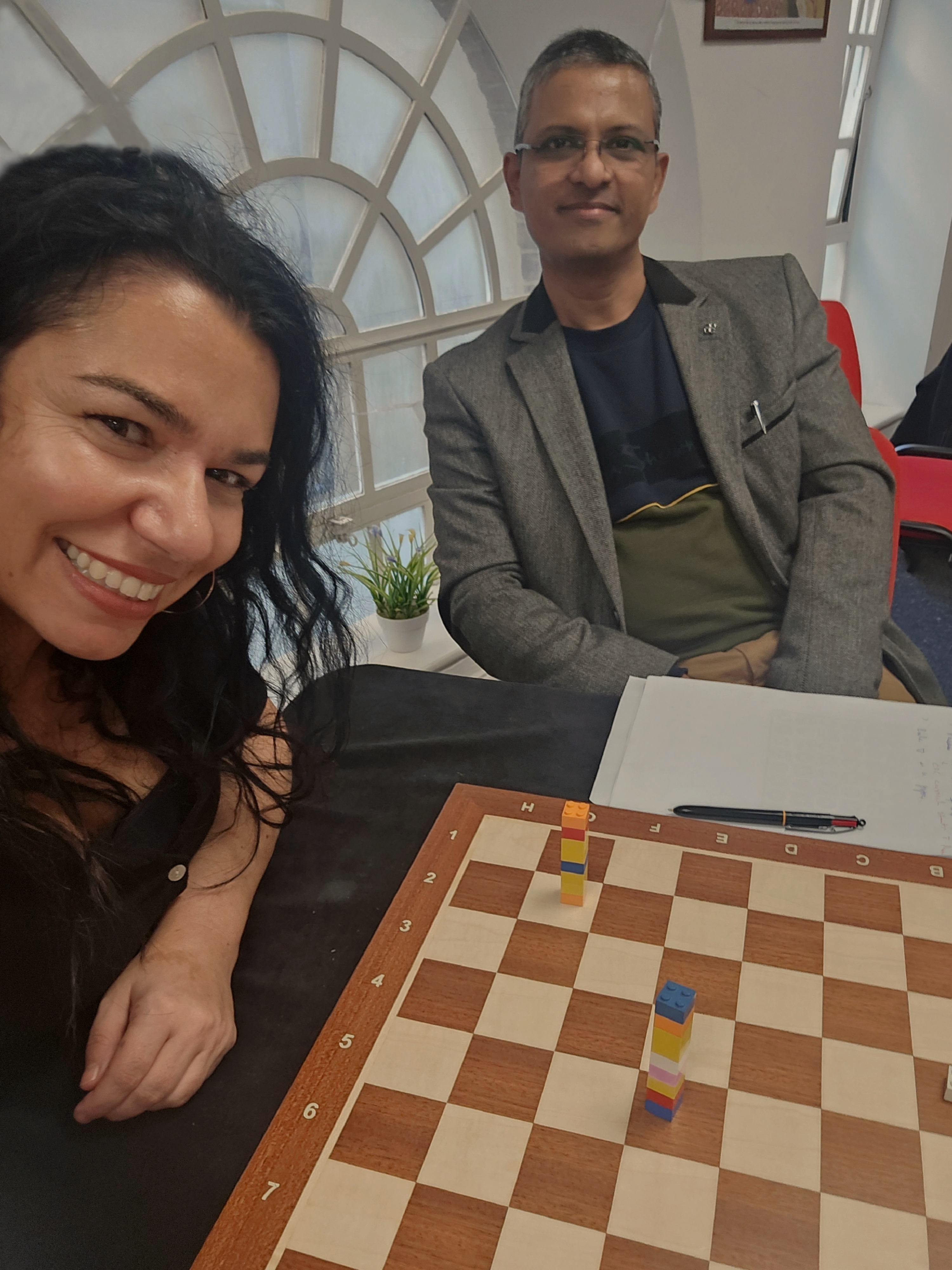
I’ve had the most wonderful month presenting maths and chess sessions, a webinar, the EC102 course and now the masterclasses.
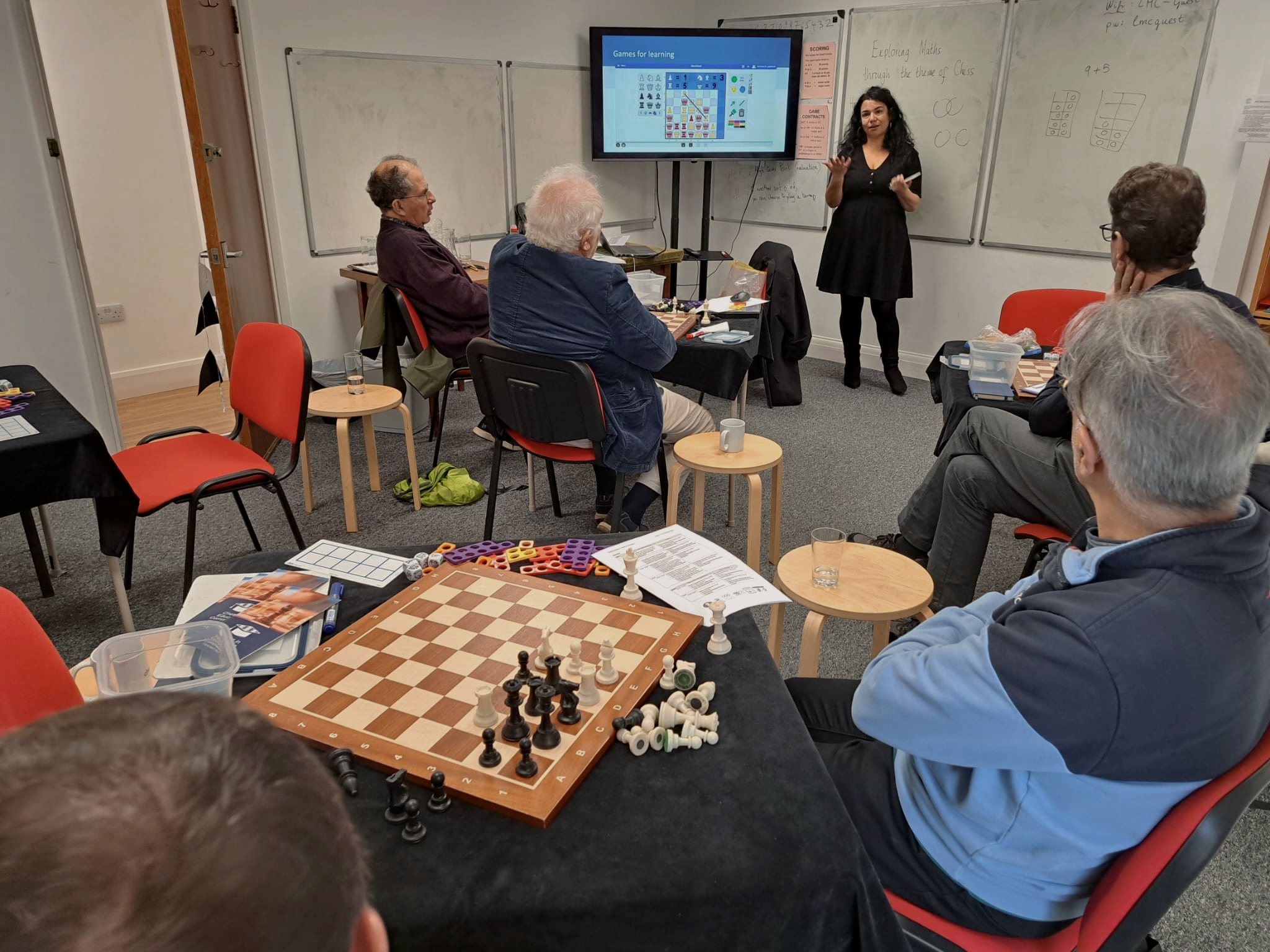
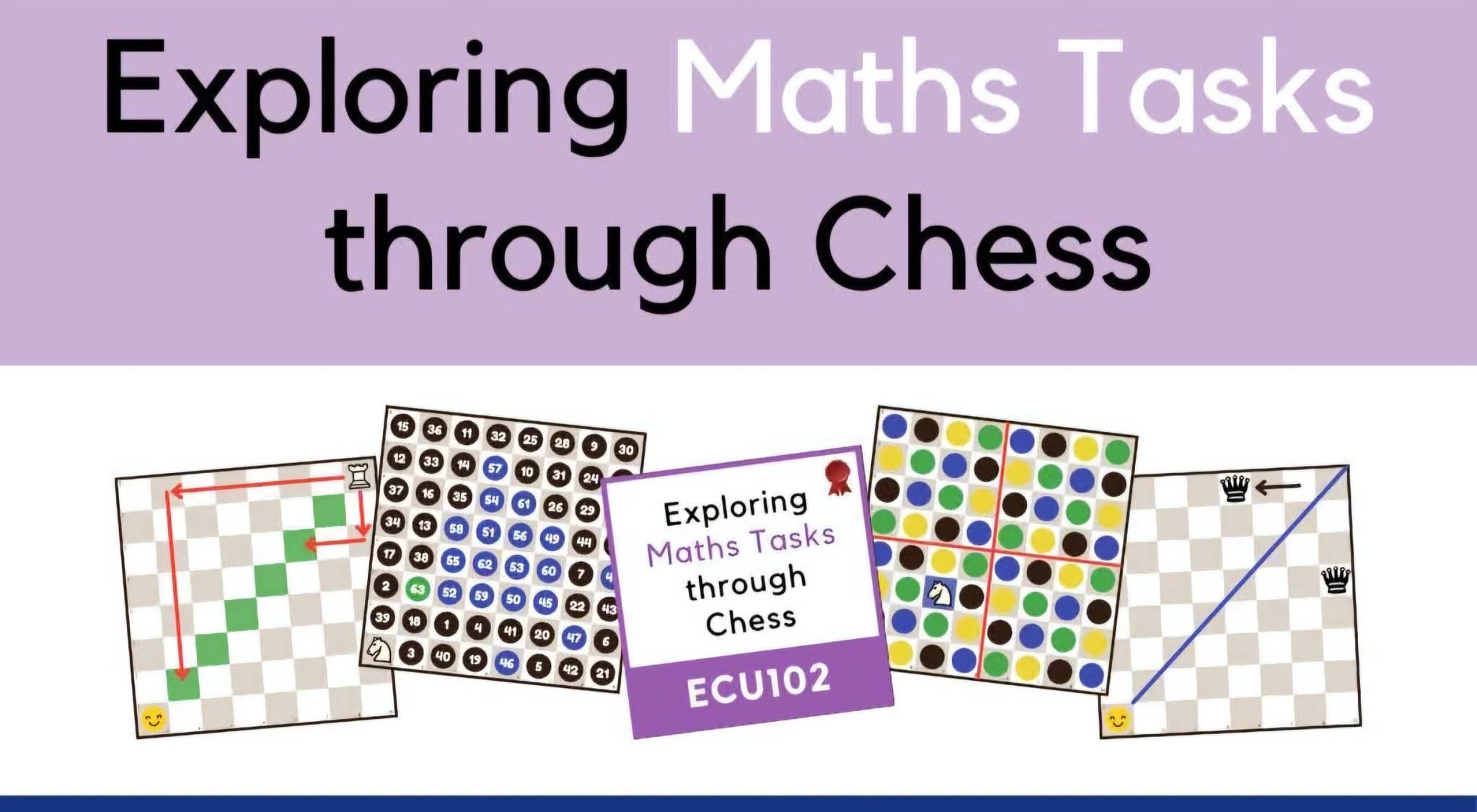
Exploring Maths through the theme of Chess
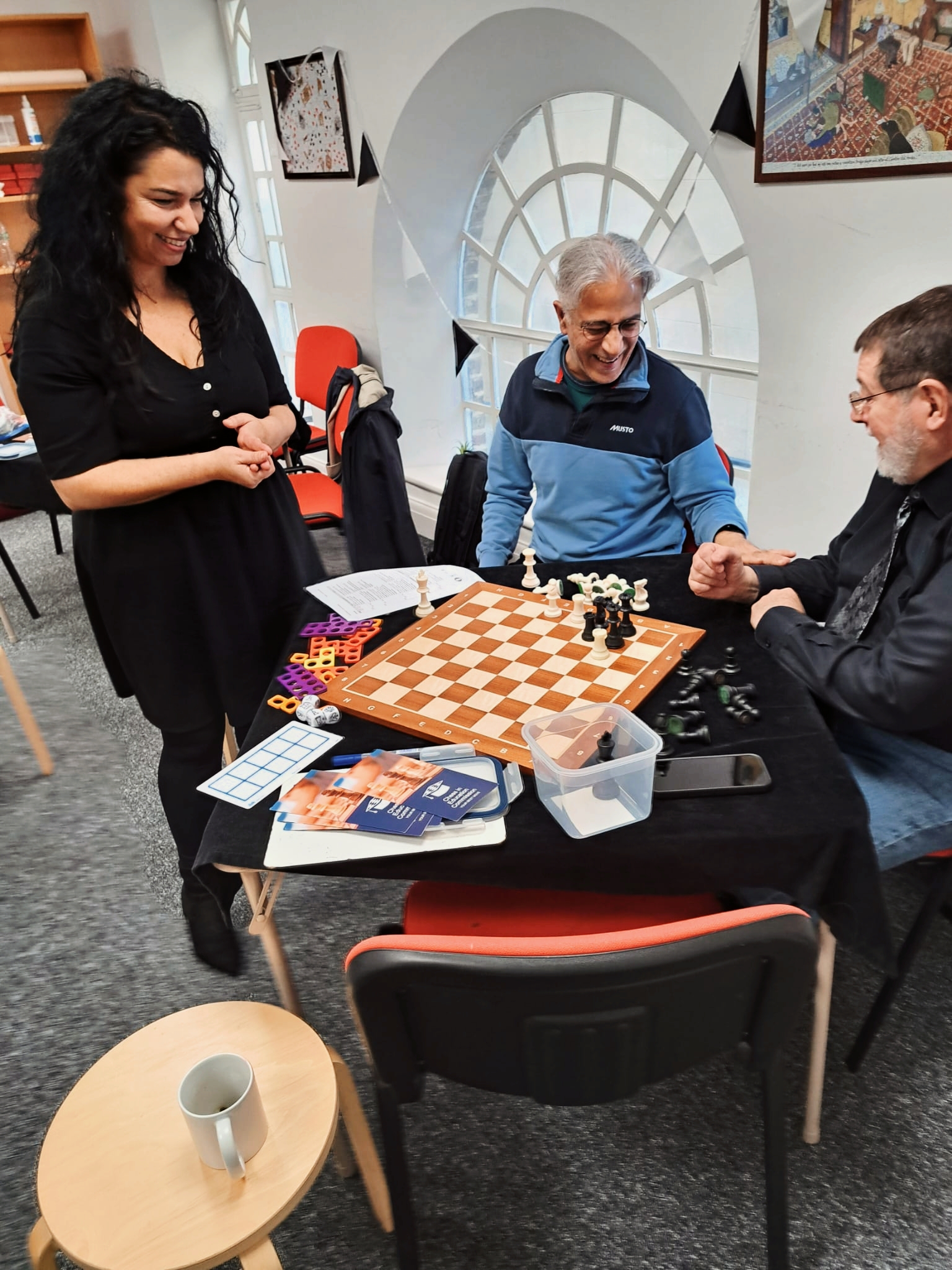
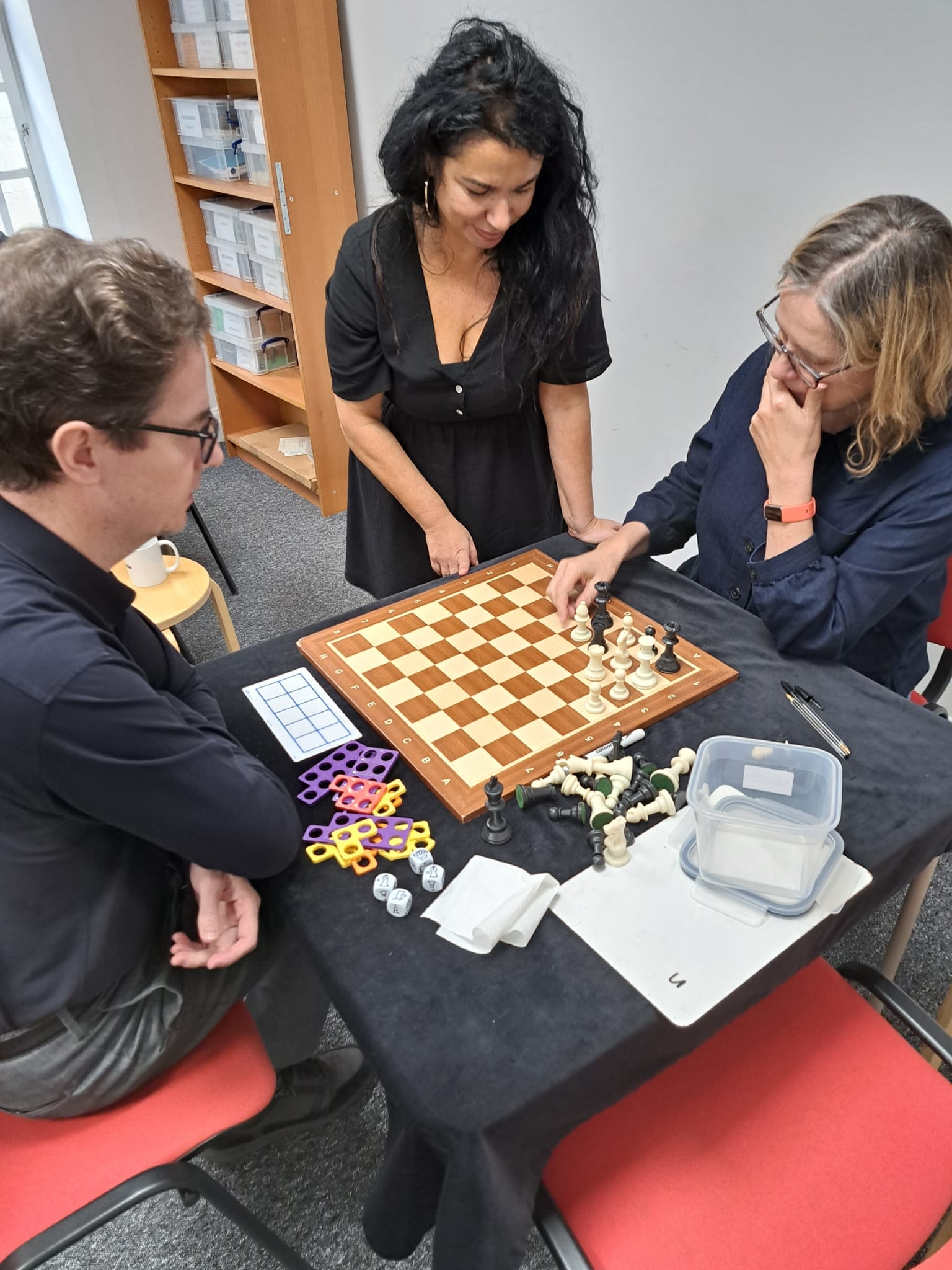
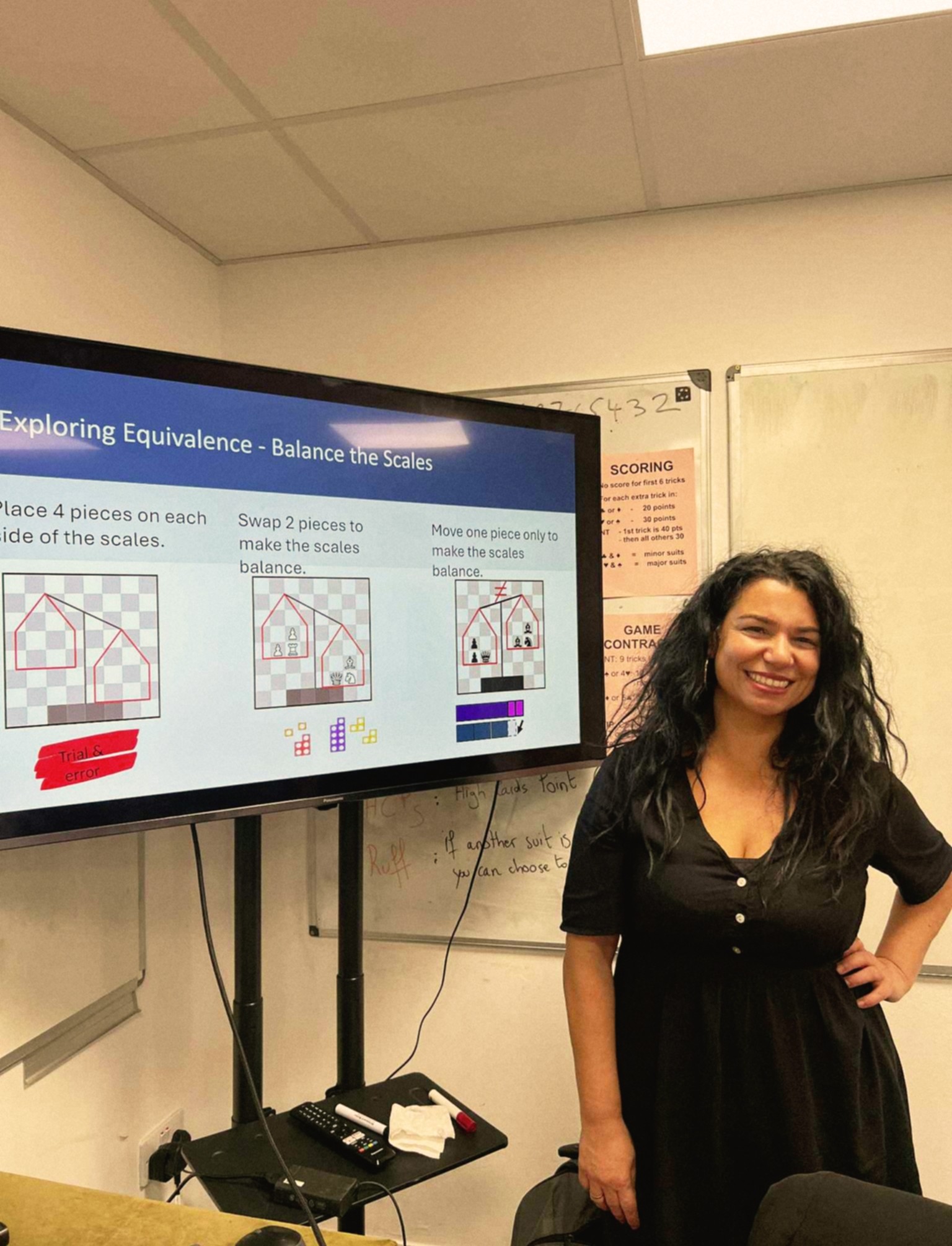
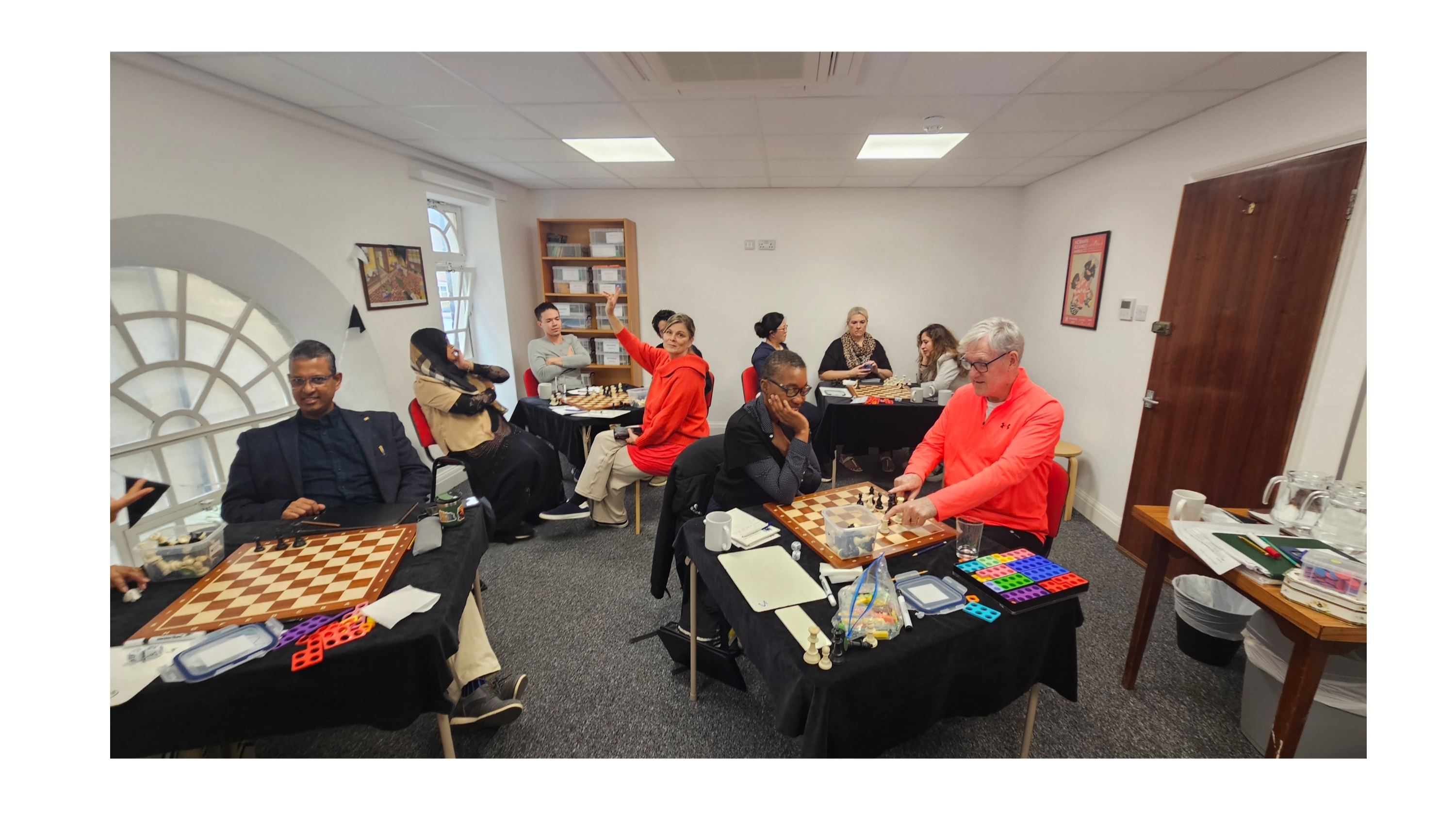
My focus at the London Mindsports Centre was to explore a range of quality tasks where children can develop oracy, reasoning and problemsolving skills. A masterclass for teachers of chess students and for children yet to learn chess.
Day one at The Mindsports Centre was a small group but lovely, my master class was at the same time as my queen Rita! Day 2 was full seats and magical.
I focused on Addition with a tiny glimpse of multiplication tasks, an investigation and shape and space task.
Feedback & Questions
I wrapped up my masterclass and asked for feedback and questions. The comments moved me. I had ‘opened peoples eyes to the endless possibilities of maths and chess’. I had ‘surprised’ people with my content and in my ‘vibrant approach’. People had ‘enjoyed the practical session ‘ and it ‘made them think’.
I also know that for some of us being learners back in class isn’t easy, revisiting maths isn’t easy! And for that I’m so grateful to the participants, for getting involved, asking questions and trusting me. 🙏
When I finished my online course a few weeks ago (the EC102 course, link at the end) the feedback was also postitive but there was one difference. Online, the questions at the end were about the practicalities the tutors faced:
How do we persuade our leaders?
How do we include problem solving into a club?
Do we do it for part of the club or dedicate a long session?
How much time should we spend a term?
What do you say to children who expect to play chess but find that they are solving puzzles or challenges?
What about parents?
It’s fascinating to compare the take aways after each event. Great insight into the roles of chess teachers.
So what next?
I’ll continue promoting chess in England and how wonderful it is to explore maths through the theme of chess. That’s my edge and that’s my purpose.
Chess is a gateway to so much more
The game of chess has so much to offer. Each teacher can add their own skill set and magic touch, sometimes it’s just teaching chess, sometimes it’s more. Both roles are amazing!
Reflection time
I’m going to leave you with a quote I first shared with someone special last year in Budapest. It played on the listener’s mind because he too believes in the transformative power of chess.
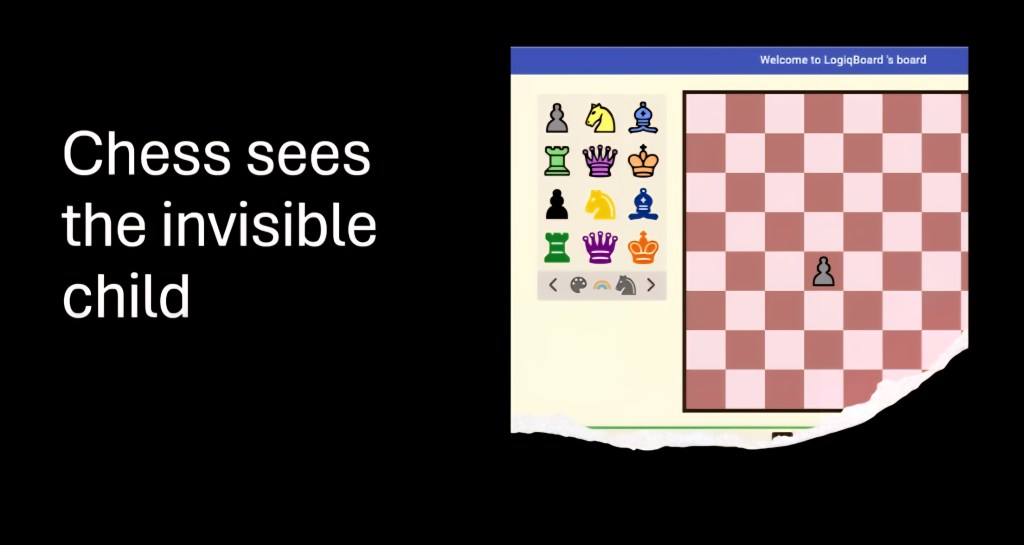
I also shared the same quote at a recent online congress with FIDE America.
I was a guest speaker and shared my story, ‘from little girl to LogiqBoard’. Naively I didn’t realise that talking about your past makes you emotional. Talking about dreams on a day when your dream to train teachers became real was also something I didn’t consider… Thank you to Mauricio Arias Santana from FIDE America. It was a pleasure to talk about my work for LogiqBoard and my little journey.
Homework for today’s blog
I’d like to ask you, what is your quote?Does it link to your skillset/background and the magic you bring to your chess classroom?
Or maybe it’s a personal quote, maybe linked to your own chess journey?
I’d love to hear them.
Thank you to the wonderful people I met at the Master Class weekend! ✨️
🔎 Don’t forget to check out all the fab courses I share and of course start with mine. 🤭🤫
Bye for now,
Hari x 👇
https://ecuhub.eu/course/exploring-maths-tasks-through-chess
 LogiqBoard BLOG