
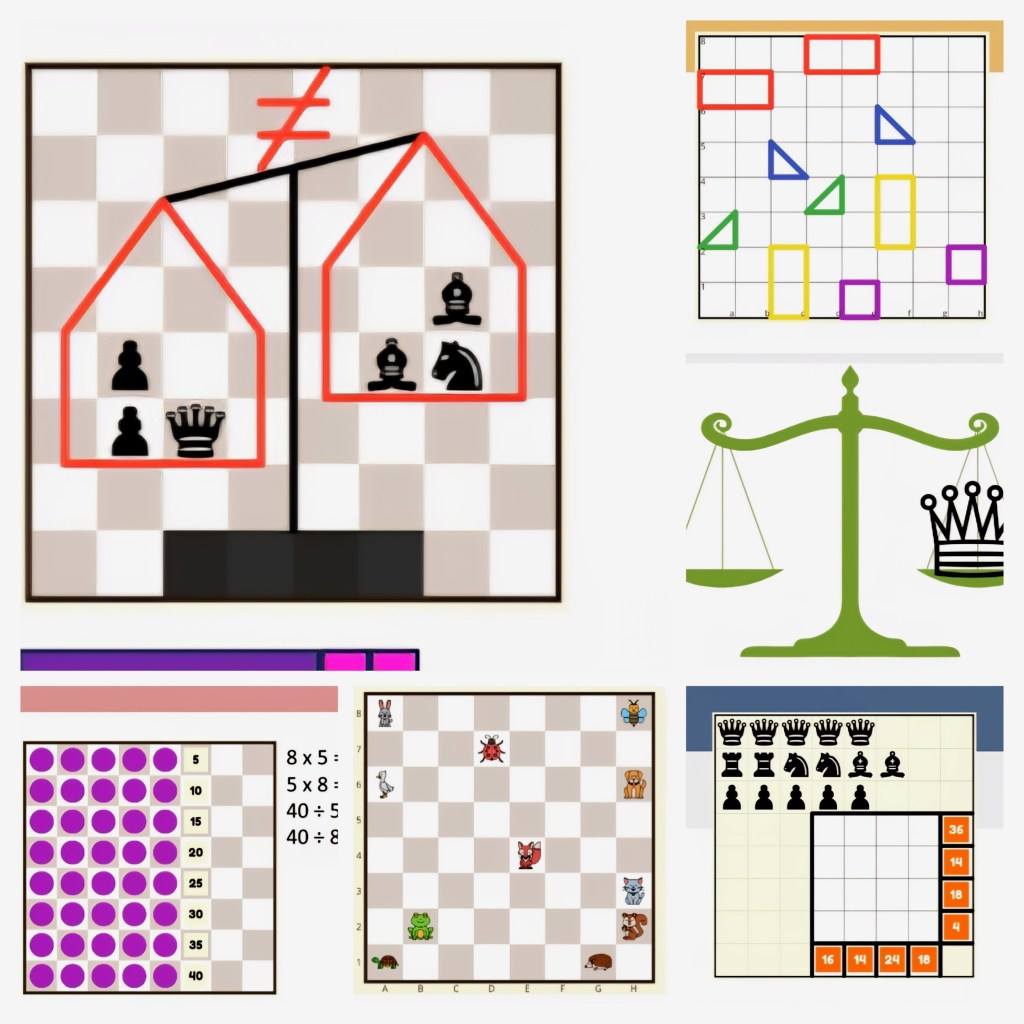
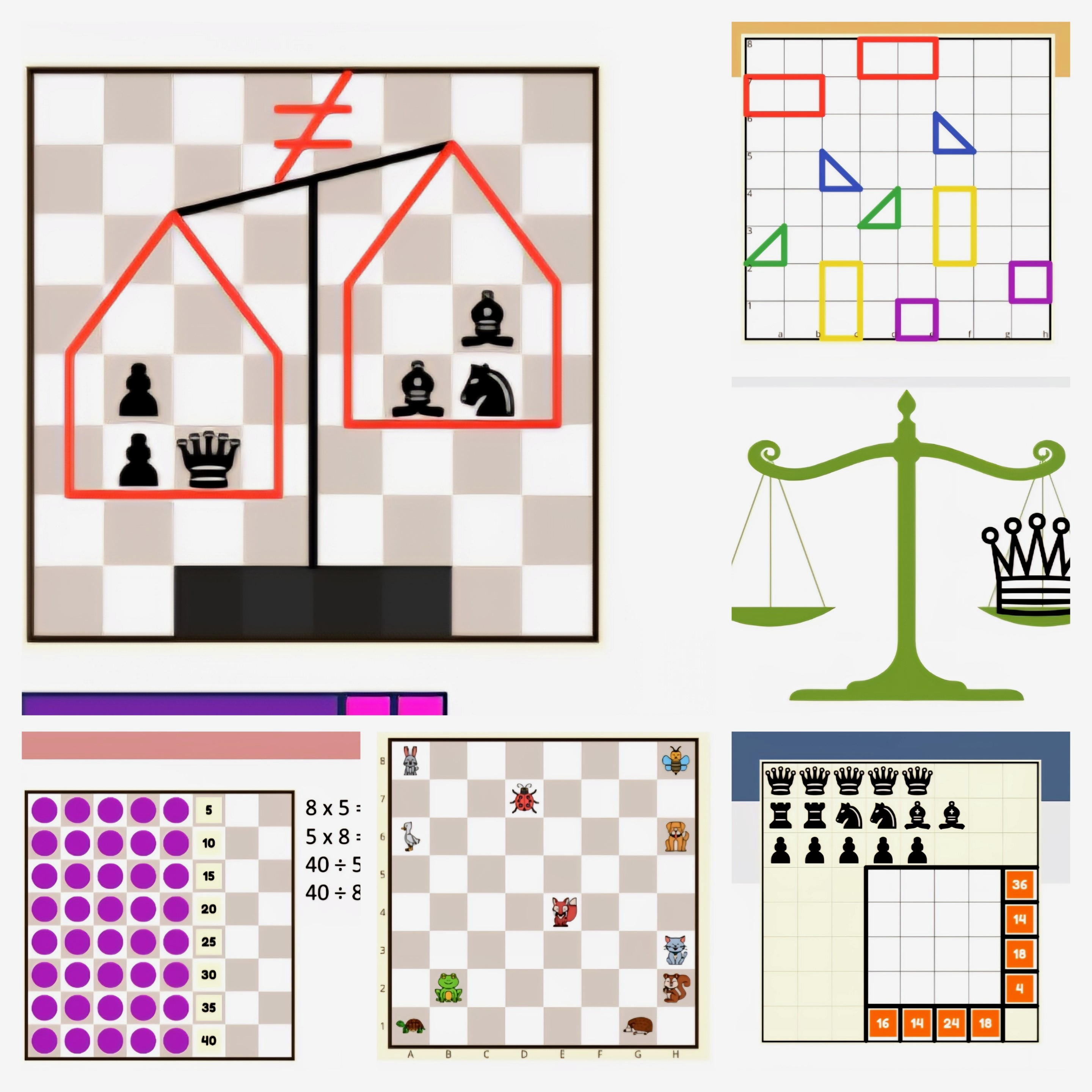
‘Why is it chess and maths, chess and this, chess and that? What happened to just playing chess?’
This was a question posed at an online discussion group last year.
It was a question that, for a few seconds, made me pause. Not because I didn’t know how to respond but I had forgotten that it needed to be explored. A simple and fair question, that we often overlook.
Why chess and …….(insert subject) ?
As a primary school teacher I could actually fill the blank with several topics.
Chess and maths
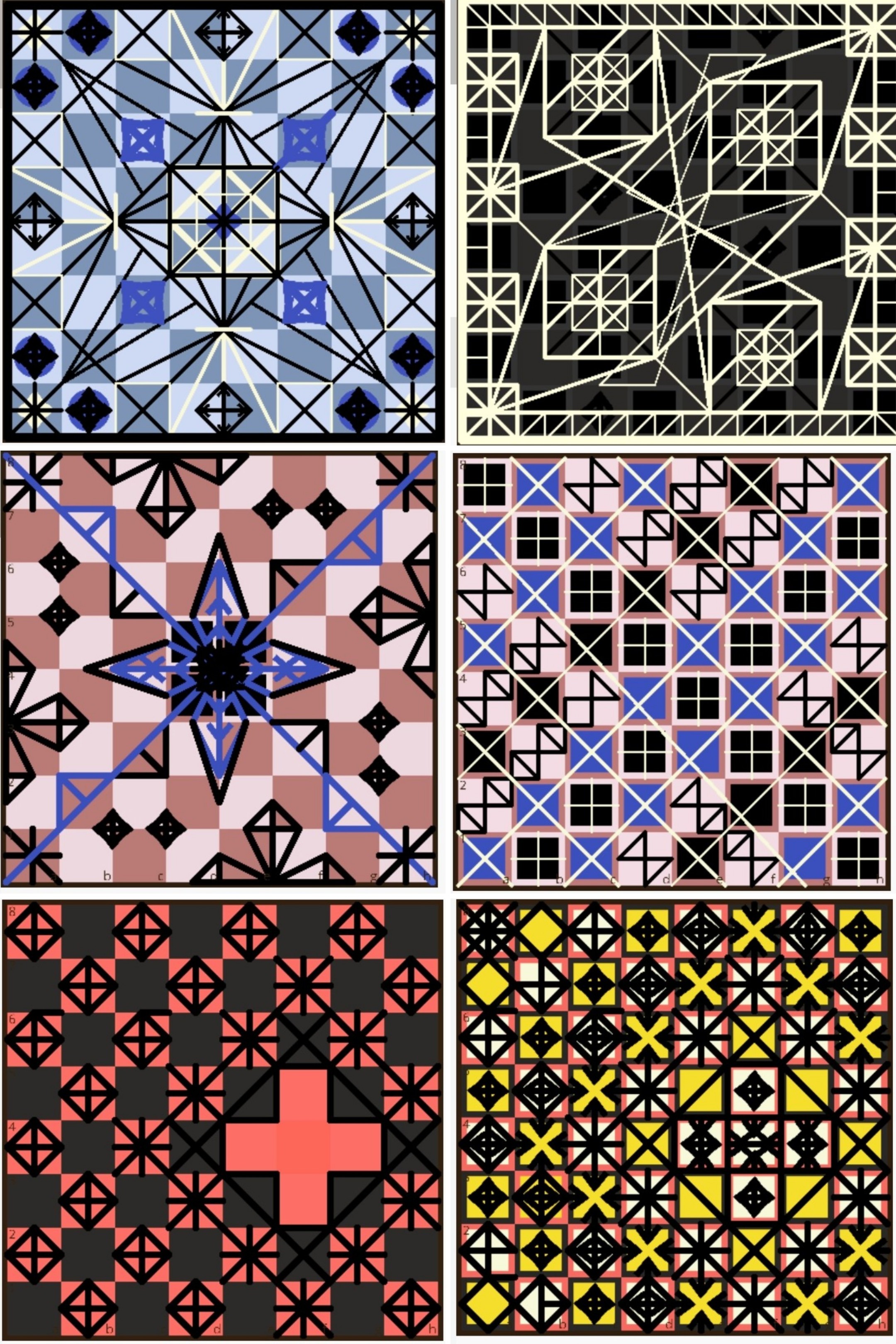
Chess and art (see my beautiful creations at the end 😉)
Chess history
Chess and map skills
Chess and talk tasks
Chess and poetry
I could also create a series of lessons on each pairing. They’d be good lessons. The lessons would allow students to develop skills and their understanding of concepts specific to each subject/area.
Children also love cross-curricular subjects. It allows them to look at the world in a wider lense, on topics known and unknown, with a foundation. It gives a subject depth as they’re immersed in a topic making connections and developing a deeper awareness.
Chess as a stand alone subject
The game of chess as a stand alone is beautiful. I love the focus it gives, the way people from all walks of life can play. The depth to which it can be studied. Ofcourse, it’s also exciting to play and win!
For some it’s even a career, for some an obsession. Like a diamond with many facets, beautiful but sharp. Rough or polished. It’s precious and timeless. 💎
The Human Connection
I love the social connection it gives us, the friendships and interactions it offers. It makes us step outside our circle and reflect on life. We’re not meant to be confined or live behind a screen. We’re social creatures and chess is a game that connects us. In our busy lives, surrounded by information and quick fixes, chess reminds us to pause and connect.
It cannot be part of a classroom lesson or part of our curriculum as a stand alone. I speak as a teacher in England.
To be part of a curriculum it must come as a package. Chess plus something else.
I’m honoured to say that I teach in a London school where it is part of the curriculum. I teach chess and problemsolving skills. Under the umbrella of chess and problemsolving I also teach other strategy games, use reasoning tasks and longer chess/maths investigations through the year.
Chess as a club will always have a place in schools. It works as a stand alone but even as a club we owe it to our students to draw out the benefits. Why wouldn’t we give our young chessplayers the many life skills that can be developed?
No pressure
I’m not asking that you feel pressure to be more. Teaching the game of chess, in its pure form is truly wonderful. But if your skill set allows you to offer more then do it.
Why chess in education?
As we say goodbye to September and the start of the academic year, we should think of our why. What is our rationale? Our long term plan and short term goals.
Tailor the curriculum
We will ofcourse discover that a class or individual students will need support in certain areas. This has to be part of our plan too. Be flexible, change plans (another benefit of chess!)
Speech and Language Skills
In one of my schools I have noticed that students don’t have the fluent chess vocabulary yet. They’re using limited words when describing pieces, movement and in paired talk.
I’m already planning lessons in my mind. They need to enjoy talking about chess. How can I do this?
Who am I? / Guess my Piece game
A short game might be to trace the movements on a chessboard with their finger as they describe the piece. I’ll have a bank of words (with picture cues) on display for support.
We could also create paper hats with a mystery chess piece on post-it note. The person wearing the hat has to ask questions and deduce who they are. E.g. Do I start on the 2nd rank? Can I move diagonally? Am I long range piece? (Only yes/no responses are allowed)
Sorting Task
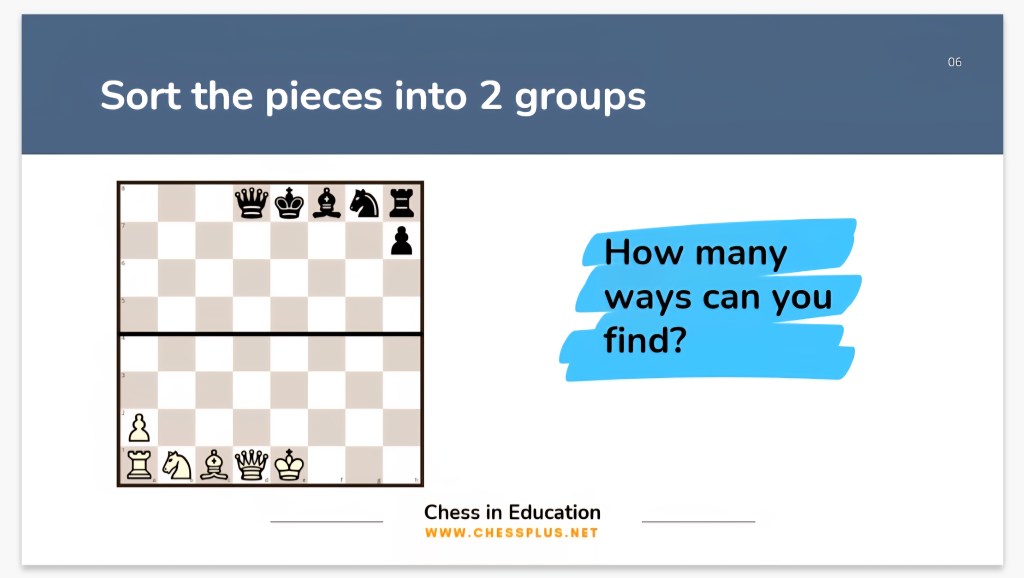
I want the children to describe how pieces move and also explore mathematical vocabulary. I will give them an open ended task where they have to sort pieces into 2 groups. How many ways can they find? Creative juices will flow!
As a further challenge I may ask them to create 2 groups but one of those groups must have one piece only! Can they solve the challenge? A lovely task for classifying and observing differences.
I’m thinking about poetry writing, raps, wordsearches and word games. I also need time to read chess fiction and nonfiction. Plans aren’t final but I know this has to be done by Christmas. Describing chess pieces and using talk spontaneously and fluently is so important.
Chess as a platform
If we want to take chess into schools we must ask why? Not because the why isn’t clear but because we have to be clear about our why when we stand in front of our students.
The benefits of chess
♟️social connection
♟️decision making
♟️planning ahead
♟️application of knowledge
♟️concentration skills
♟️communicating ideas
♟️thinking strategically
♟️problem solving
♟️reasoning
♟️working through emotions
♟️perseverance
♟️kindness
♟️sportsmanship
♟️creative thinking
♟️flexible thinking
♟️critical thinking
Chess is a subject so rich in layers that as school educators we have to utilise it fully.
Your skillset
My skillset lies in maths and problemsolving. As an intervention teacher I know how to make learning accessible, how to break down barriers to learners who struggle in maths.
As a maths intervention teacher I have to work on a student’s self image, confidence, resilience and provide opportunities for students to feel stuck and struggle. I want them to work through this frustration and difficulty by identifying a strategy or solution. Even in failure they must recognise growth.
Chess is Transformative
We explore rules of chess, rules of life and facing challenges head on. So aswell as problem solving and the social connection chess offers you it also helps you to control emotions and shape behaviour. You can advise and guide without pressure by speaking metaphorically in chess.
Chess helps you set goals, find purpose, work hard towards something, self study, take responsibility. Chess is transformative and this is one fo the reasons it has power in prisons.
Competitive Chess
There is also the element of competition, the adrenaline and need to be the best. Chess in education must not promote these areas but we can talk about them.
For homework this month I’d like you think about your why. What is on your list?
If you want to see how the theme of chess develops reasoning and problemsolving skills, join me at the events below and follow me on logiqboard.com
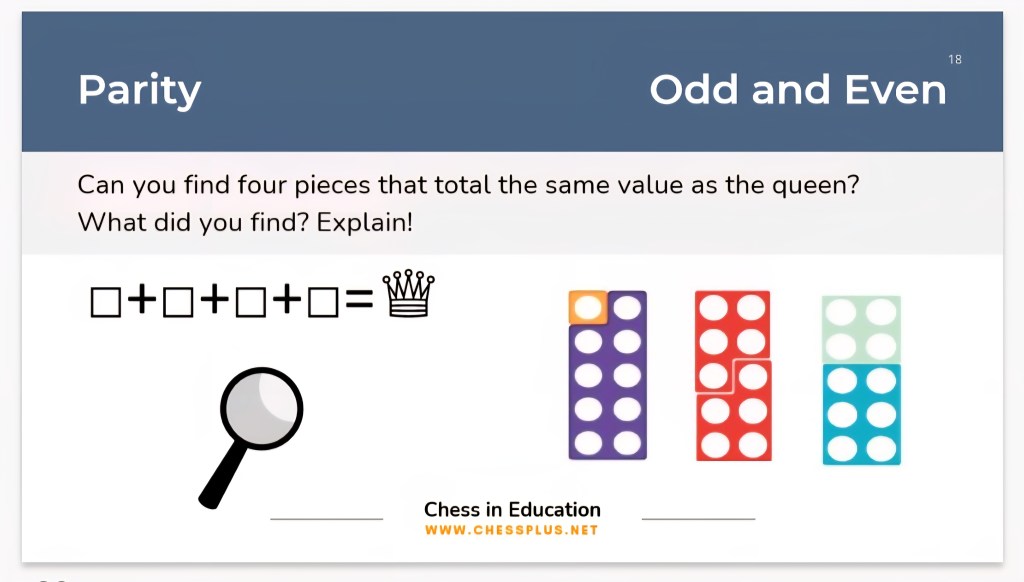
I’ve explored so many maths concepts and skills through the theme of chess and students are always on board! I use the tasks to revisit concepts rather than teach a concept for the first time.
Event 1
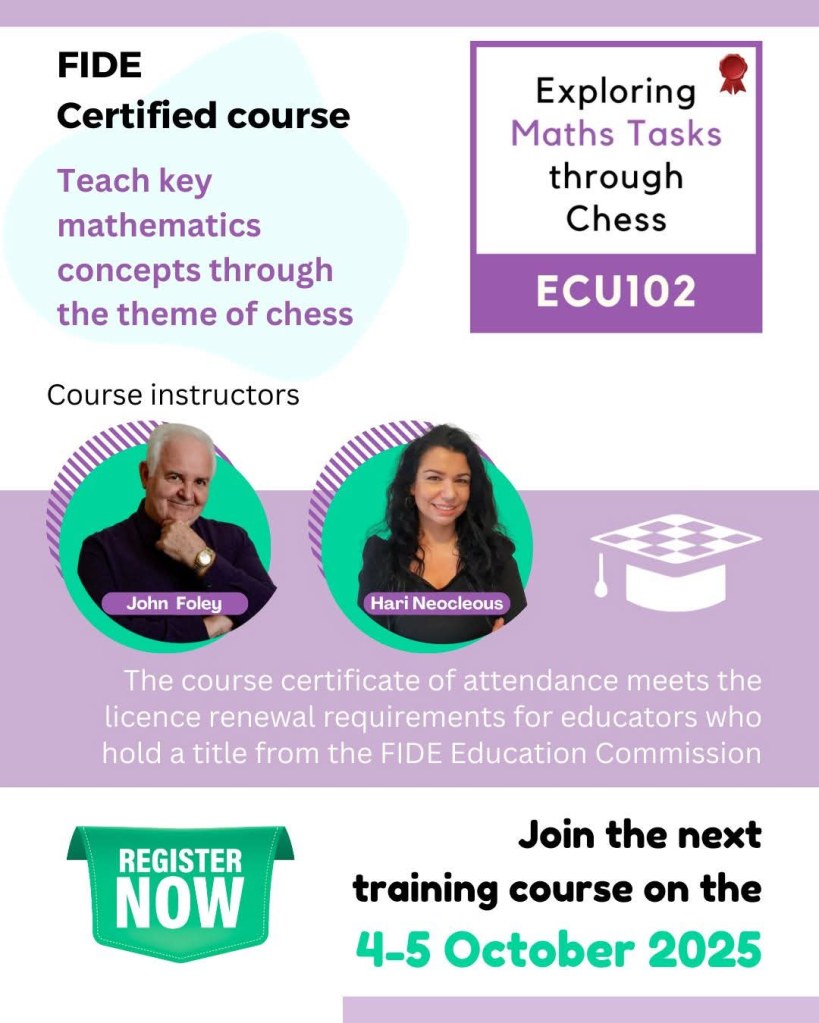
Join myself and John Foley for the an exciting new course, exploring maths tasks through the theme of chess.
https://ecuhub.eu/course/teaching-mathematics-through-chess
Event 2
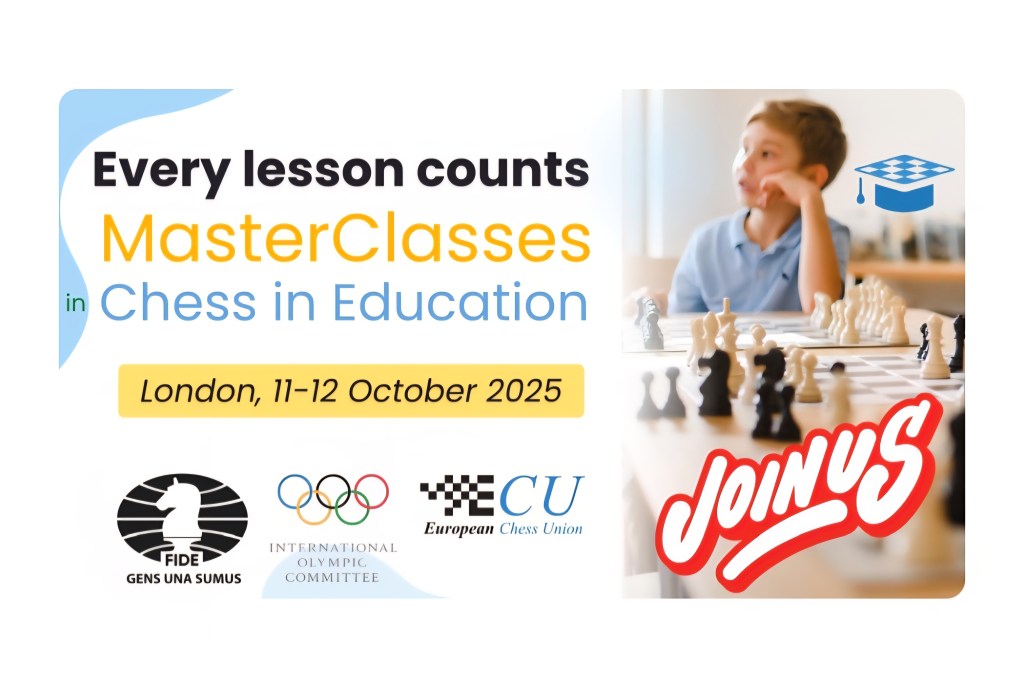
🇬🇧 Join me in London, Hammersmith for a weekend of masterclasses with leading names in chess in education. 🌎
On Saturday I’ll be presenting masterclasses on problemsolving and oracy. John Foley will also be there, with a fabulous session on strategy games. A not to be missed event!
I’ll also be reuniting with the phenomenal Rita Atkins. Our LogiqBoard co-creator and Fide Education Secretary. ❤️
Every Lesson Counts – Chess in Education Masterclasses
Event 3
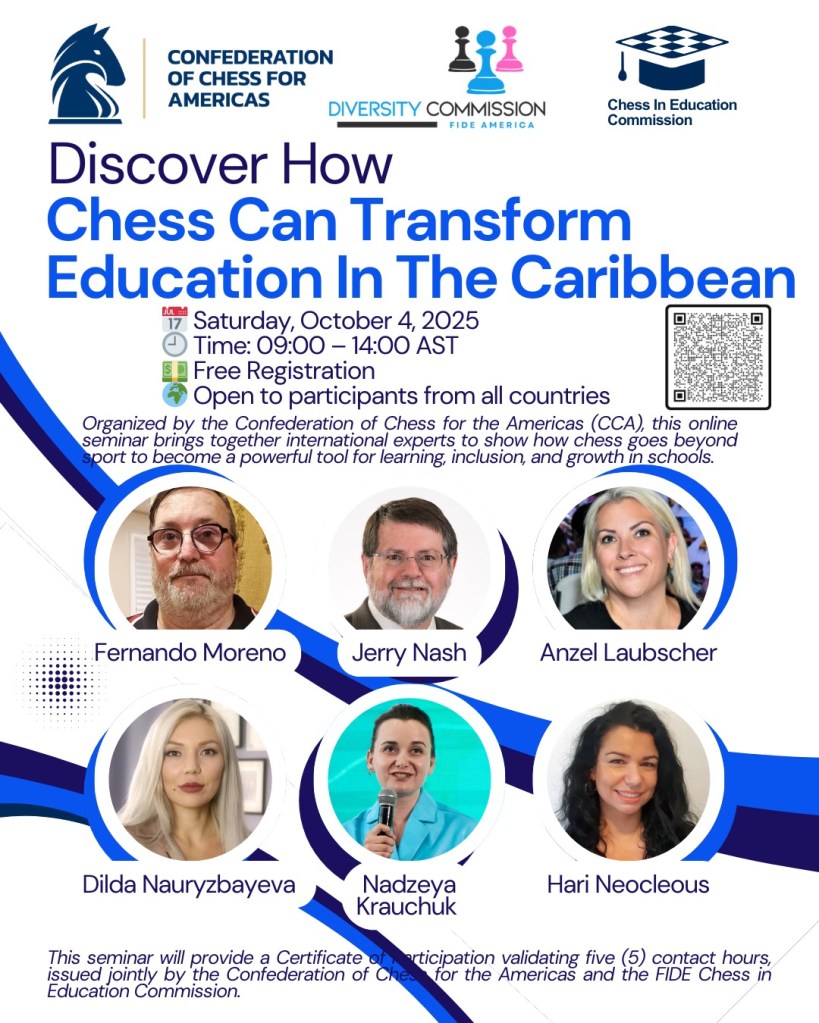
A mini presentation of my journey, from little girl to LogiqBoard and the future ahead ✨️ 🙏
Thank you to the woman who asked me the question Why chess and this? Why chess and that?
She apologised that day and I told her she has no reason to. There is no such thing as a silly question. As chess players and teachers, it’s crucial we think out side the box, question and think critically. (More wonderful things chess can offer our students!).
If you’re still not convinced then join me on logiqboard.com or at the events above. I promise you will be.
Hari x ❤️


 LogiqBoard BLOG