
Happy June teachers ☀️
I’m writing the June blog for my primary school teacher colleagues who are working up until the end of July. The last week of term includes many fun activities but it also includes a transition day or session. This is where teachers meet their classes for the new academic year.
‘Help, what can I do for transition day? by anonymous’
In the past few weeks I’ve seen many facebooks groups with anonymous requests for transition day ideas. So I’ve decided to share mine. Why not play some strategy games?
Transition sessions are when both the teacher and new student can get to know each other. Students get to see their new classroom, meet staff, learn a little about life in the new year group. It’s a time when some children feel anxiety about change and the unknown. Transition days should reduce any worries they might have over the six week summer break.
Time to Connect
It’s a great time to bring some strategy games into your new classroom. The main purpose of this time is to connect, to make the first steps in building relationships. First impressions count.
Introducing Fox and Hounds 🦊🐶
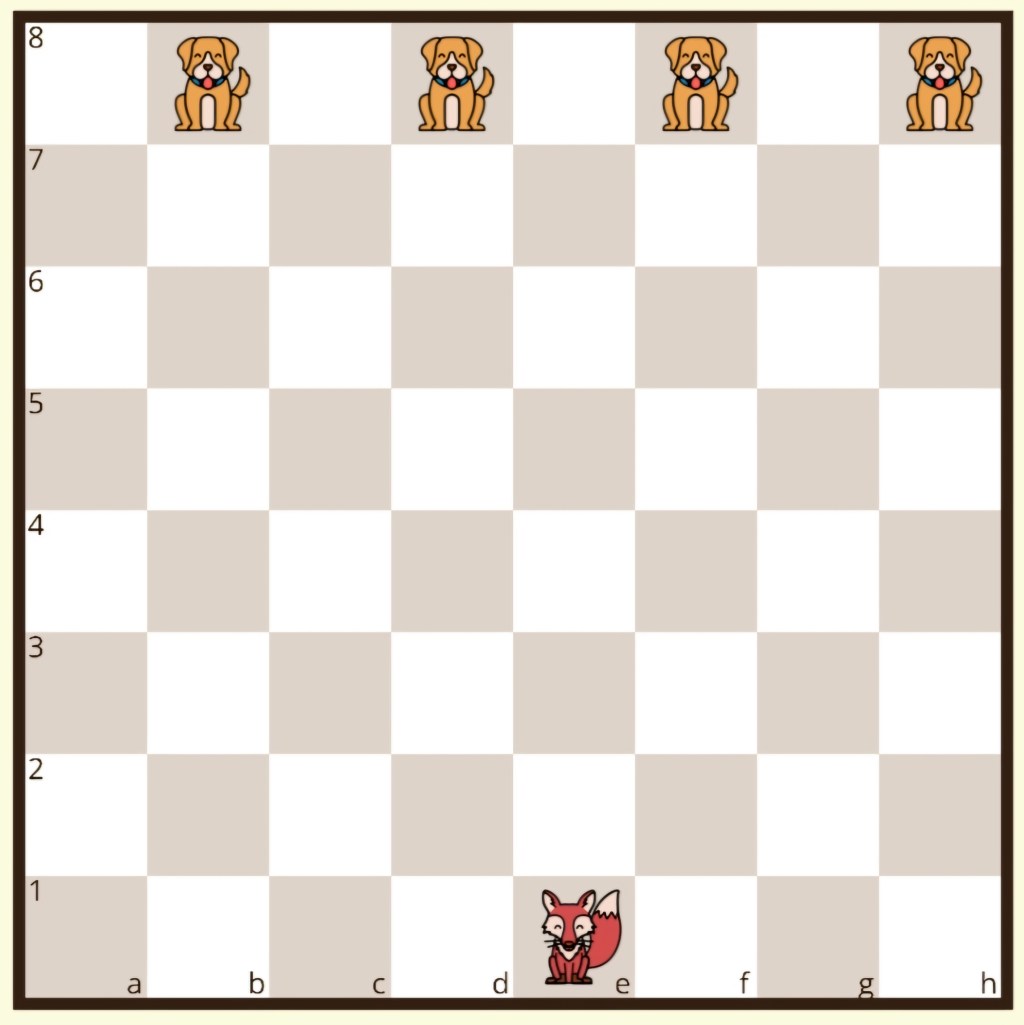
Fox and Hounds is a great game to start with. It has simple rules, games are short and resources are easy to get hold of.
Teaching to the whole class
Use Logiqboard.com as a demoboard or add some slides too to support your teaching. Share the rules then give students some time to explore how pieces move. I always do a quick intro followed by some playtime. Let children play early on in the lesson when they’re curious and excited.
Freebie alert: teacher slides
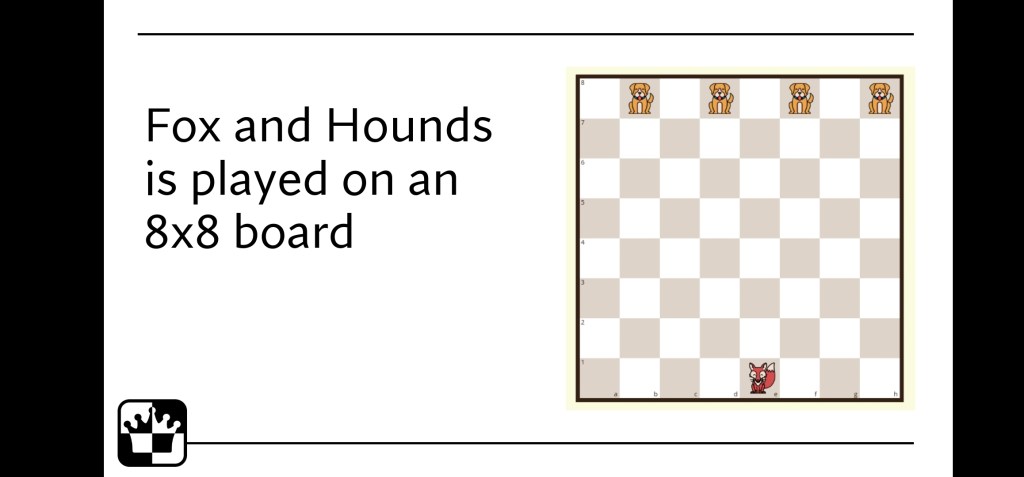
Here are some slides I’ve used with year four, five and six. I use logiqboard.com to model the game:
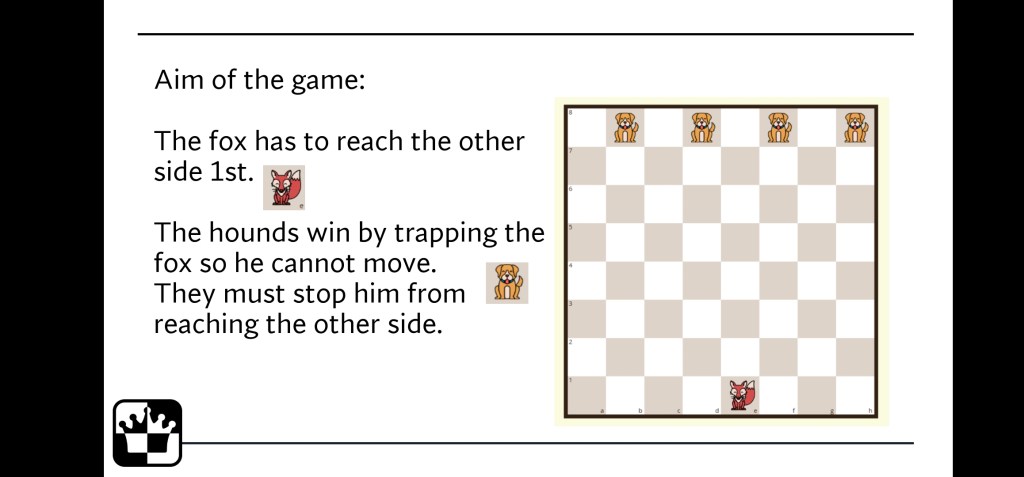

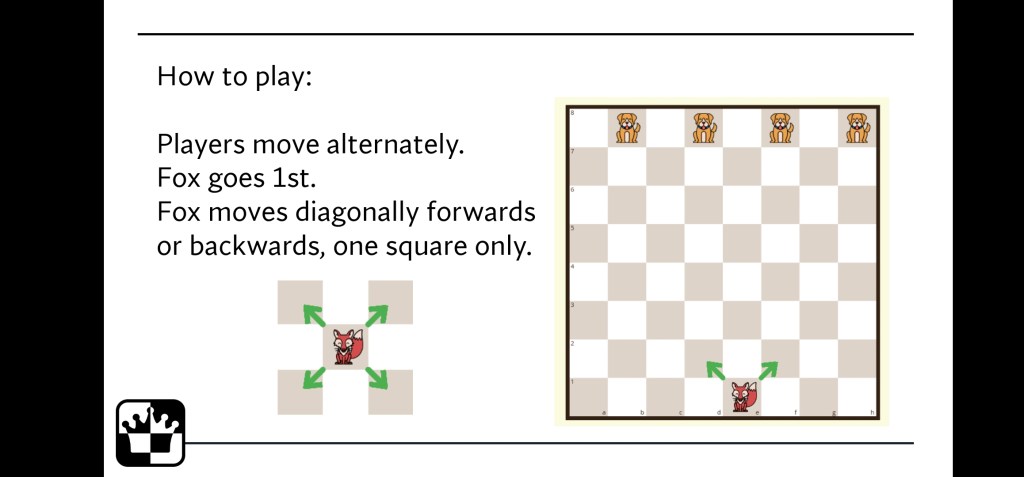
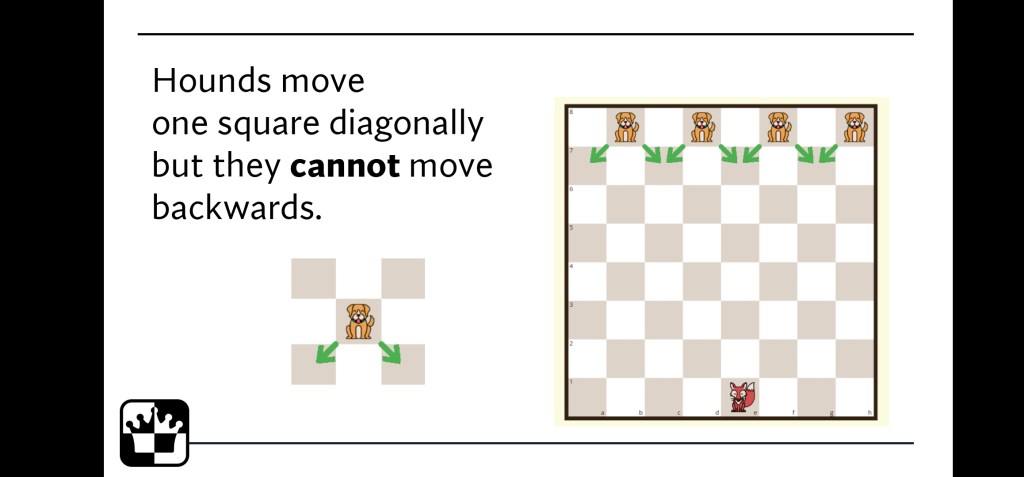
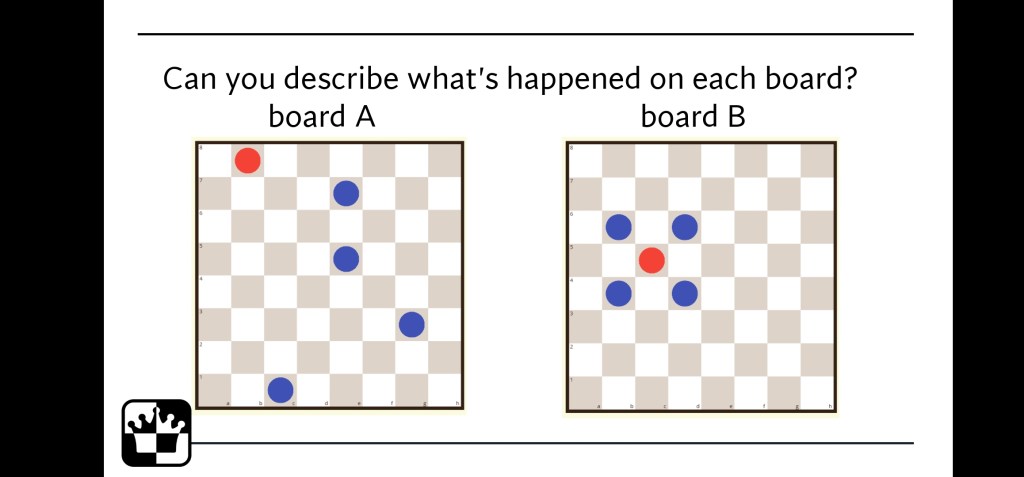
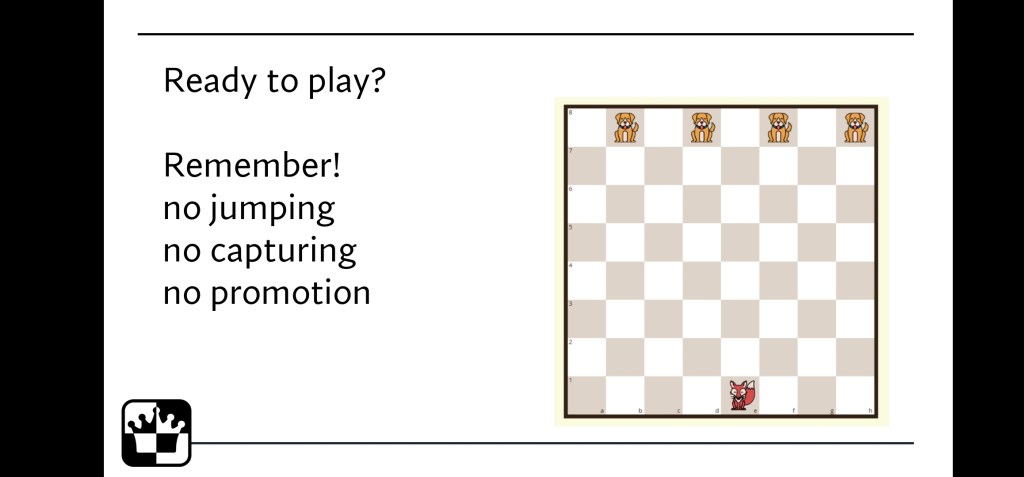
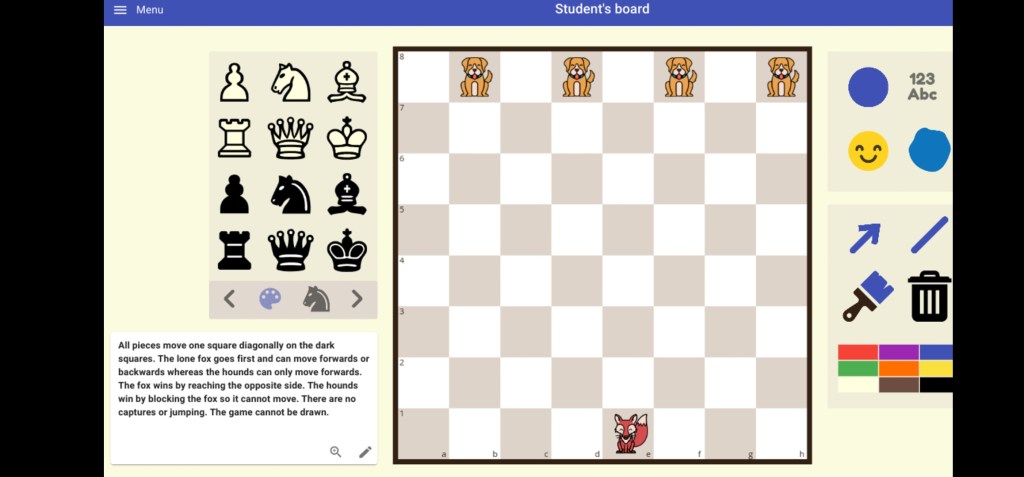
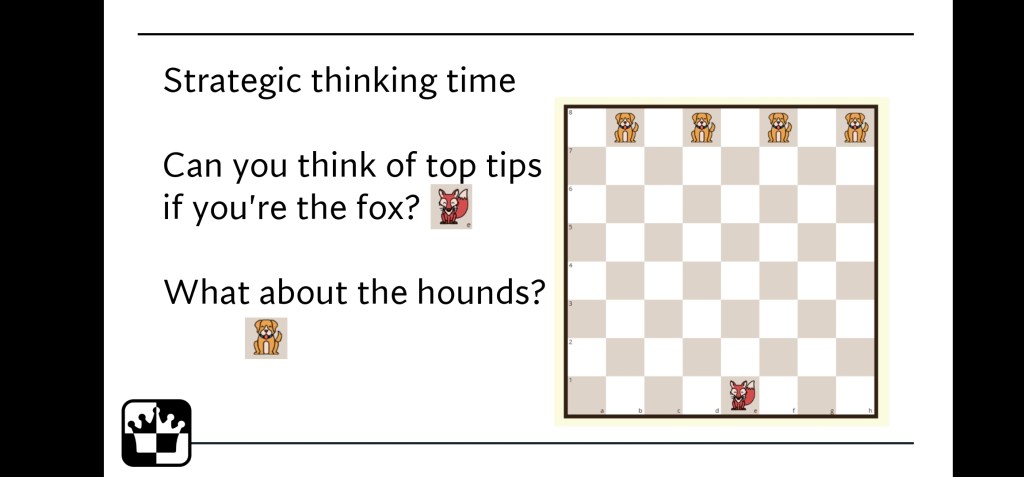
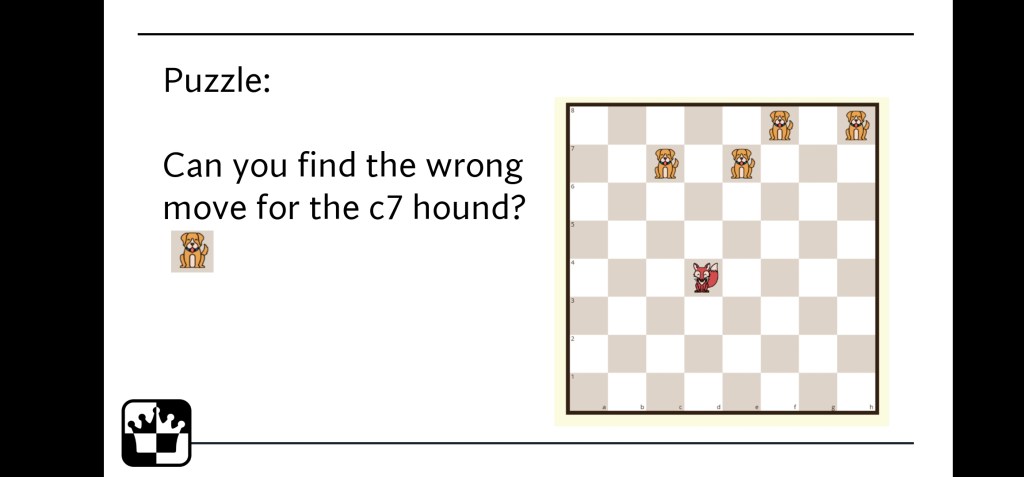
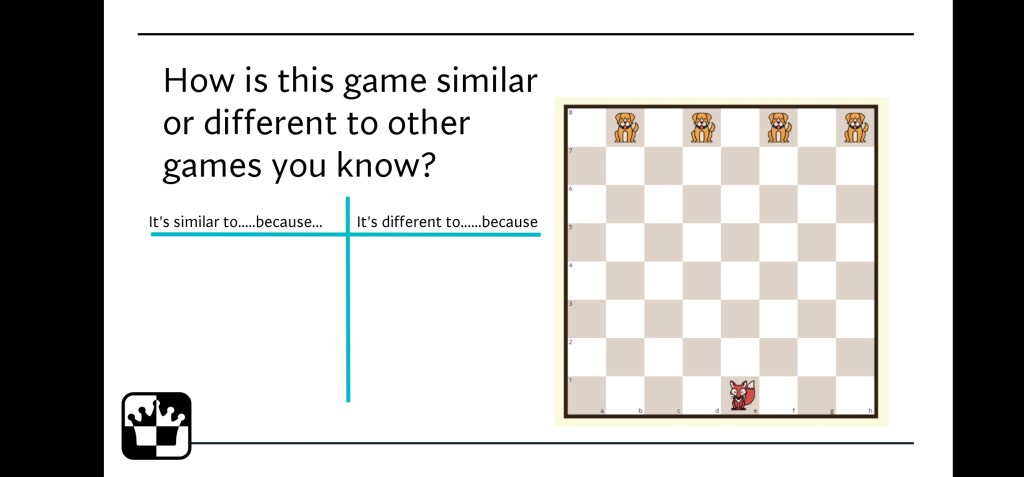
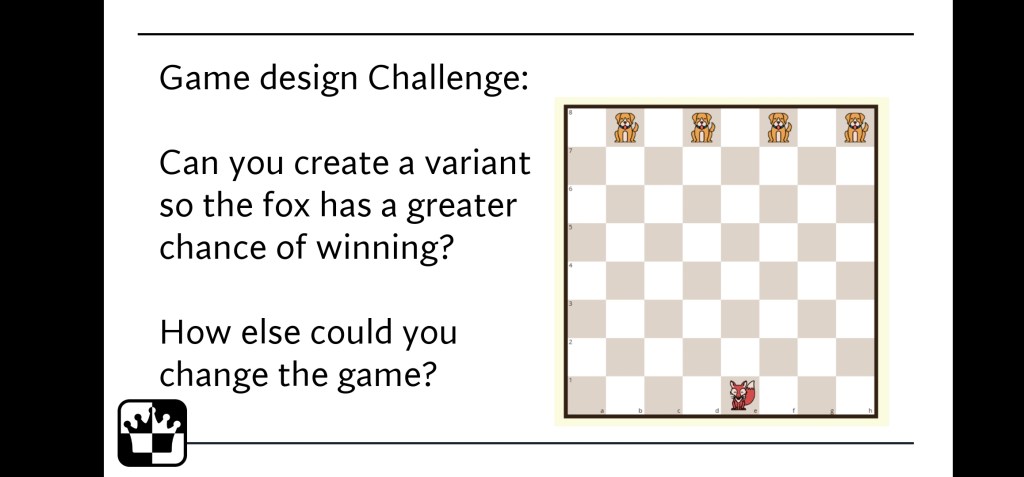
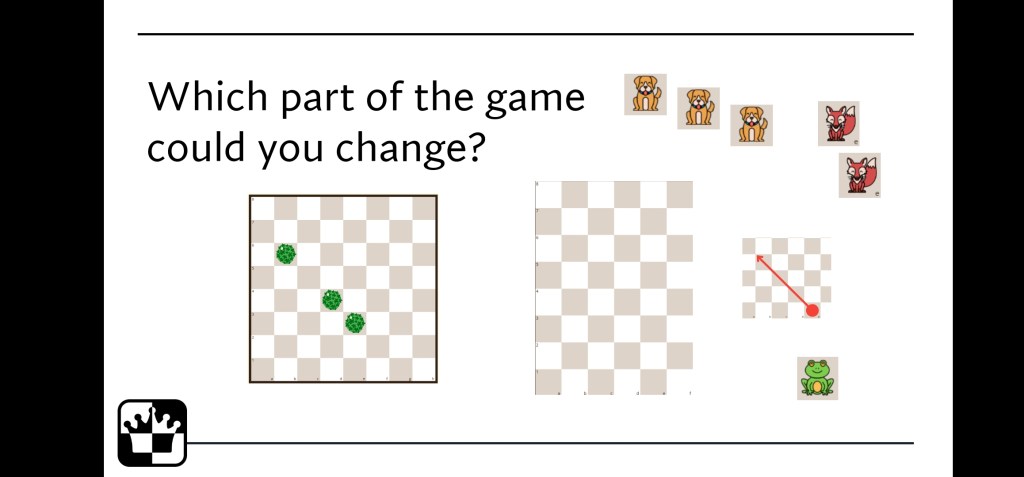
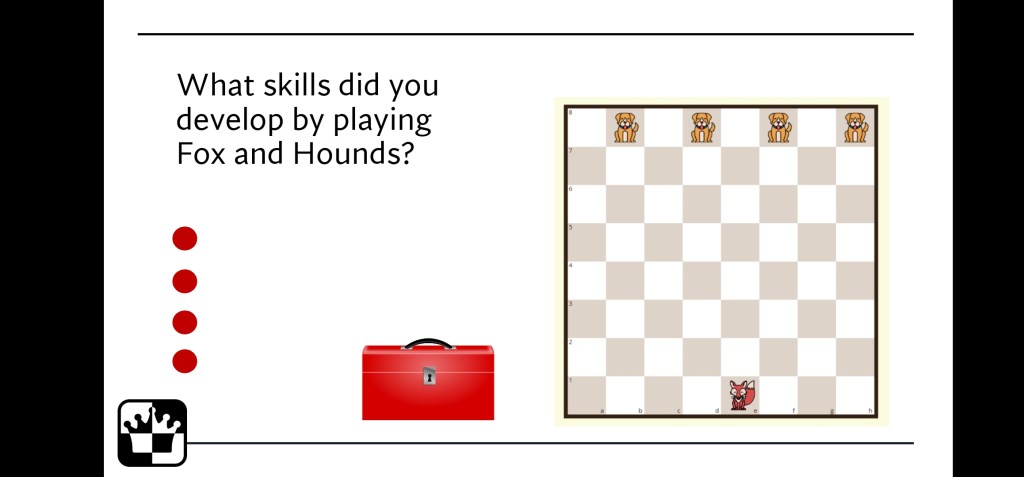
During lessons children are encouraged to help each other. Teachers, at the start can wander and listen, scanning the room for information.
Games are very revealing…
Who showed poor comprehension and might need support later? Who had a dispute over game play? Who got frustrated when they were losing or their partner wasn’t playing correctly?
Who told you they don’t know how to play when you were about to explain? 😬Was there someone fiddling with resources or fussing about who they’d play against? Who showed a certain flare in gameplay?
By playing these games your class are introducing themselves to you. You can gather quite a bit of information whilst doing something meaningful with educational and social benefits.
What resources do I use?
Now for the practical side. If you’re not a chess school and don’t have chessboards (yet) you can print off an 8×8 grid and use counters. I love the red and yellow double sided counters you find in a maths cupboard. Cubes are also great and easy to pick up.
Students can play on logiqboard.com
If you have access to laptops and chrome books children can play in pairs on http://logiqboard.com
Visit ‘logiqboard.com’, ‘create board’, find ‘menu’, ‘strategy games’ and then find ‘Fox and Hounds’ from a long list of wonderful strategy games.
Logiqboard.com is free for an hour a day, alternatively you can sign up for our free trial. ( Get in touch if your school is interested in a subscription, I have a lovely discount code too 🖤🤍)
Competitive play or learning partners
A top tip to make a games classroom less threatening is to call children partners not opponents. You could also have children playing Fox and Hounds sitting next to each other instead of opposite each other, making it more of a journey of discovery than a battle. Not all games would work like this visually, Fox and Hounds works both ways.
As the lesson goes on praise game play, questions, the sharing of ideas and strategies as opposed to only celebrating victory.
Moments of Celebration
During the lesson I sit and observe, kneel to their level and make a point to share spontaneous discoveries. The children who can formulate a theory or have discovered a strategy are celebrated and their top tips or style of play is shared for others to try. Let them feel like they lead!
Why should we teach Strategy Games?
If you decide to return to strategy games in the new academic year you’ll be developing many skills. Here are some of them:
🟡 concentration
🟡 problemsolving
🟡 looking for more than one solution
🟡 decision making
🟡 using initiative
🟡 visualising moves
🟡 shape and space skills
🟡 flexible thinking
🟡 thinking strategically
🟡 memory
🟡 turn taking
🟡 good sportsmanship
Playing games within the school day is about more than playing to win. Set the tone, create the positive and collaborative games classroom from day one!
Games are like diamonds 💎
Each strategy game is unique. There are differences in the way pieces move, the aim of of the game and the extra something that it offers children.
Fox and Hounds is the best game to start with. It differs to many games because each player wins in a different way. The Fox must reach the other side whilst the hounds must work together and trap the fox.
What’s the same, what’s different?
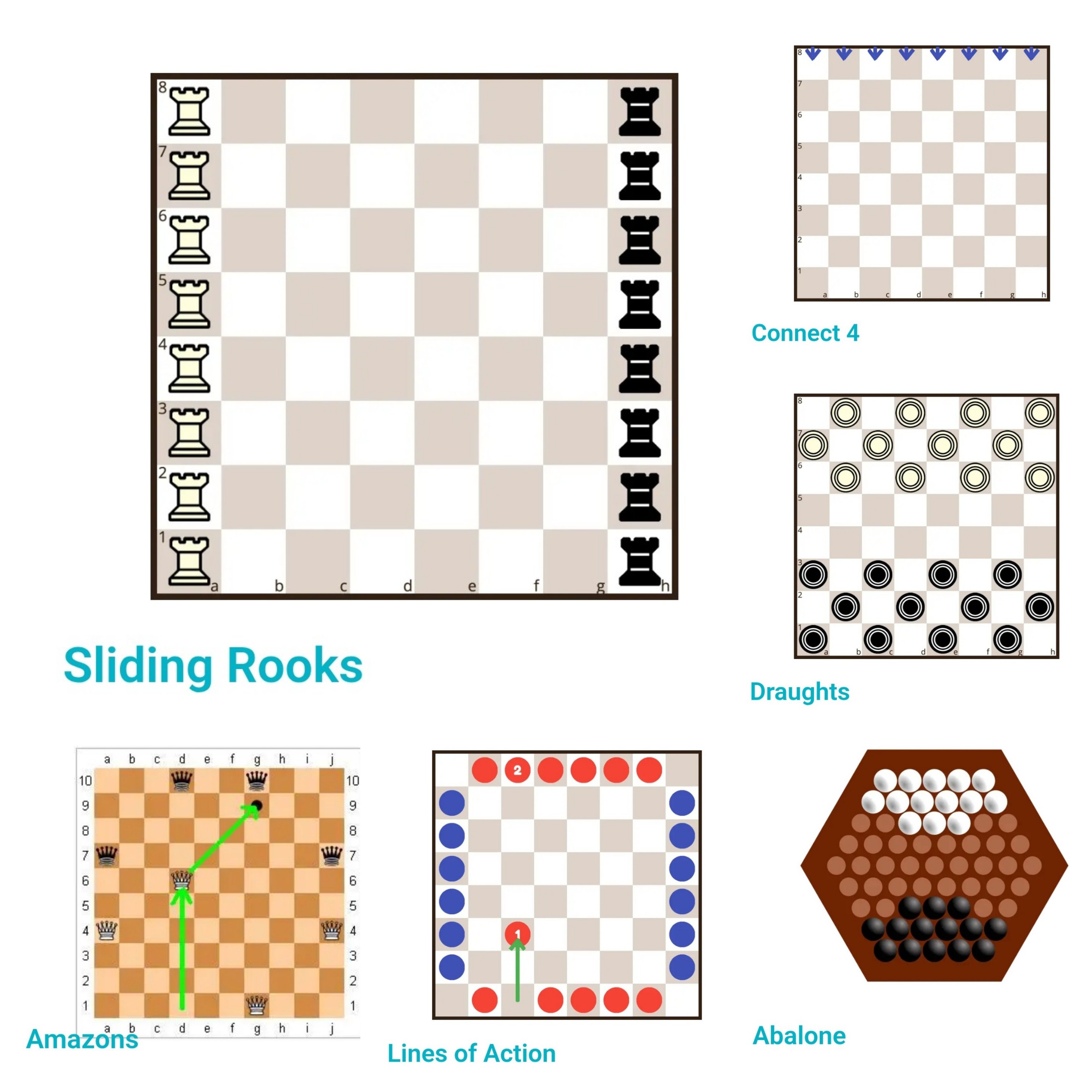
Some strategy games are capturing games, controlling territory games, creating specific formations or involve reaching a destination.
Sometimes pieces jump, capture, slide or flip. The direction of movement is also different (cue mathematical language yes I’m a primary maths teacher!). Children love comparing games and building on what they know.
They’re also less intimidating than chess. The game of chess is beautiful but it can be overwhelming to learn and play. Imagine sitting for a half an hour to feel like you’ve failed with no lesson time to try again?
8×8 Games on a Chessboard
Think of strategy games a precursor to chess, it’s a great start for young minds to think deeply, focus and connect.
Primary school children should be exposed to a range of strategy games. One enriches the other. Each one brings something unique to the table, literally. With Fox and Hounds I give a brief intro to its history at the start and end with game design.
How would you create a variant? Giving them a starting point with less variables means a better quality design. How could we increase the chance of fox winning? If you could design a piece what would it be? How would it move?
There are huge opportunities for th 4C’s, creativity, communication, collaboration and critical thinking.
From school to home
Your class will also be able to share this game with family and friends. A great home learning task for all ages and abilities.
Are you ready?
I hope I’ve given you everything you need to try Fox and Hounds on transition day. I’ve shared my philosophy, fab resources and top tips. You can’t go wrong. 🙂
Play with a friend or family so you’re the best games teacher you could possibly be. These games are for primary school children, secondary and beyond.
Here’s a quick outline of a lesson:
🦊 Introduce game, origins, hook children in.
🦊 Share aim of the game and piece movement.
🦊 Show correct and incorrect moves.
🦊 Play in real time in logiqboard.com
🦊 Share rules and how to be a good sport (handshakes, ‘good luck’ to start, ‘good game’ to finish)
🦊 Children play briefly.
🐶 Game recap, begin to talk about strategy.
🐶 Share problem solving slides.
🐶 Playtime again, looking for strategic play (Can they find the ‘secret’?)
🐶 Plenary, discuss findings and the secret, solve puzzles or share task for discussion.
The Secrets to Fox and Hounds 🔎
If you’re the hounds you could move row by row, one hound moving at a time to the row below, leaving no gap for fox. Make sure you move in the correct direction.
If you’re the fox you might try to trick your partner thinking you’ll move one way but end up getting through the other way, (create a diversion).
Hounds should try to limit the fox’s movement, ‘closing the net’ slowly. Try to trap the fox onto the edge of a board or bottom. Show children examples of fox being trapped in corners and edges so they memorise positions (patterns).
Adjust the speed of your play, quick moves throw your opponent off track!
Look at puzzles and discover the moment a wrong move is made, children need to recognise the ‘wrong move’ moment on puzzle boards.
Games course coming soon
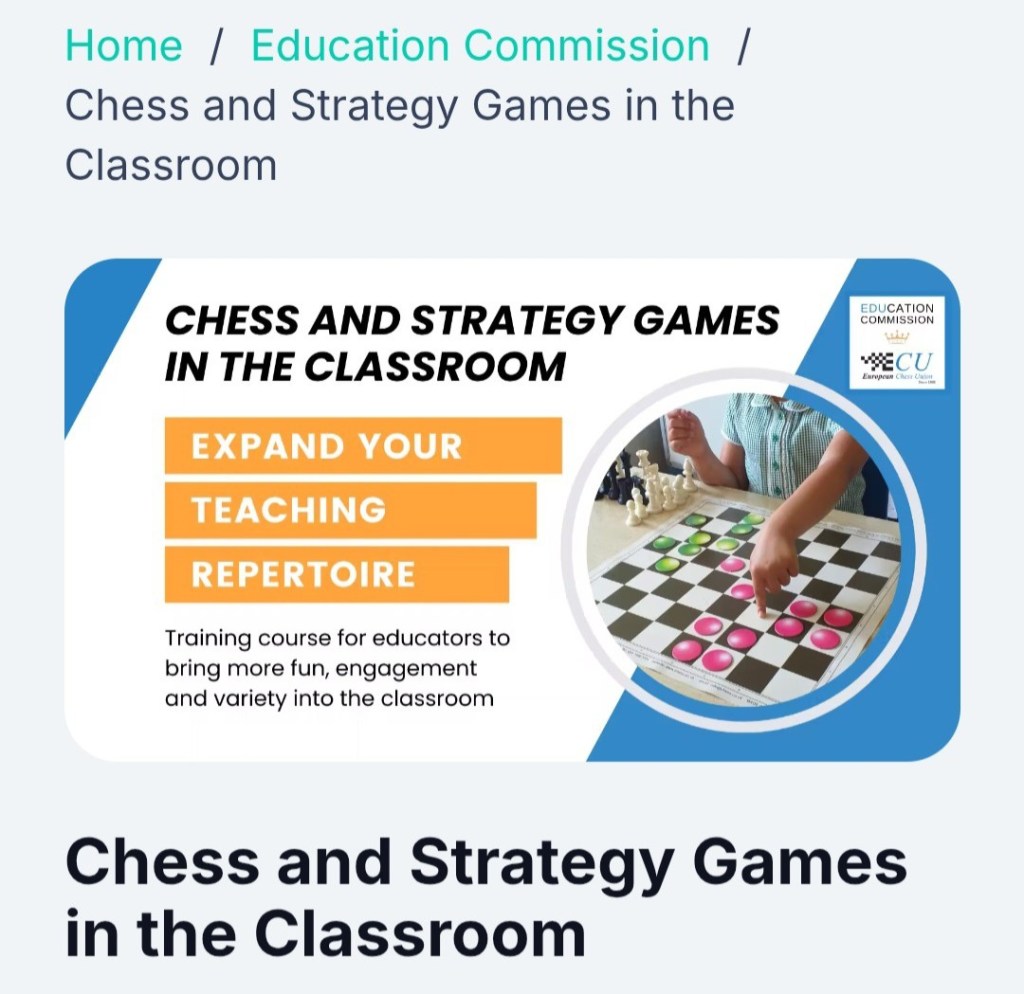
If you’re curious about more 8×8 strategy games then book your place on the Chess and Strategy Games in the Classroom course, a favourite course of mine:
https://ecuhub.eu/course/chess-and-strategy-games-in-the-classroom
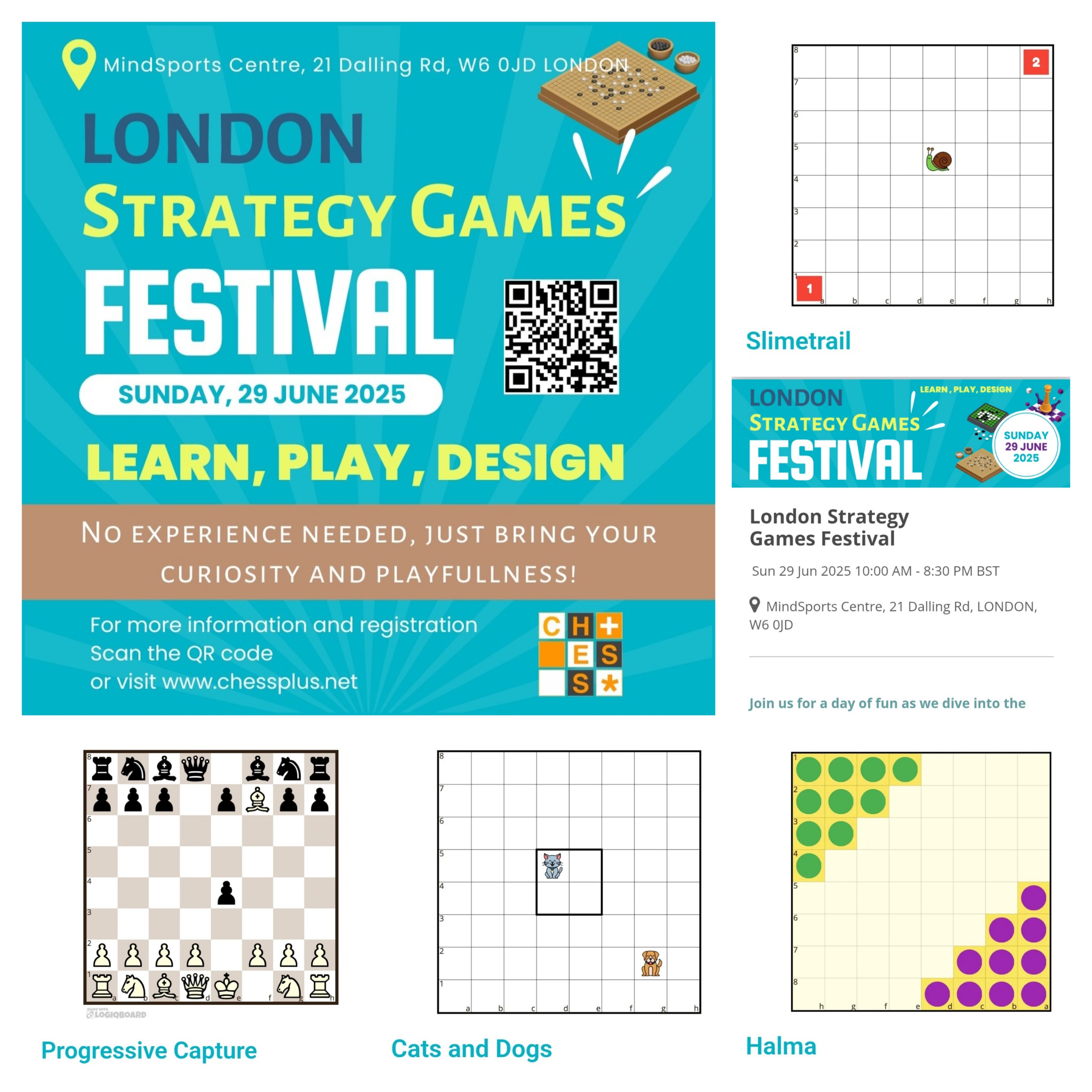
If you want to learn more games and meet the experts then you’re in luck. This weekend we have the first Strategy Games Festival in London. A whole day of playing and learning games!
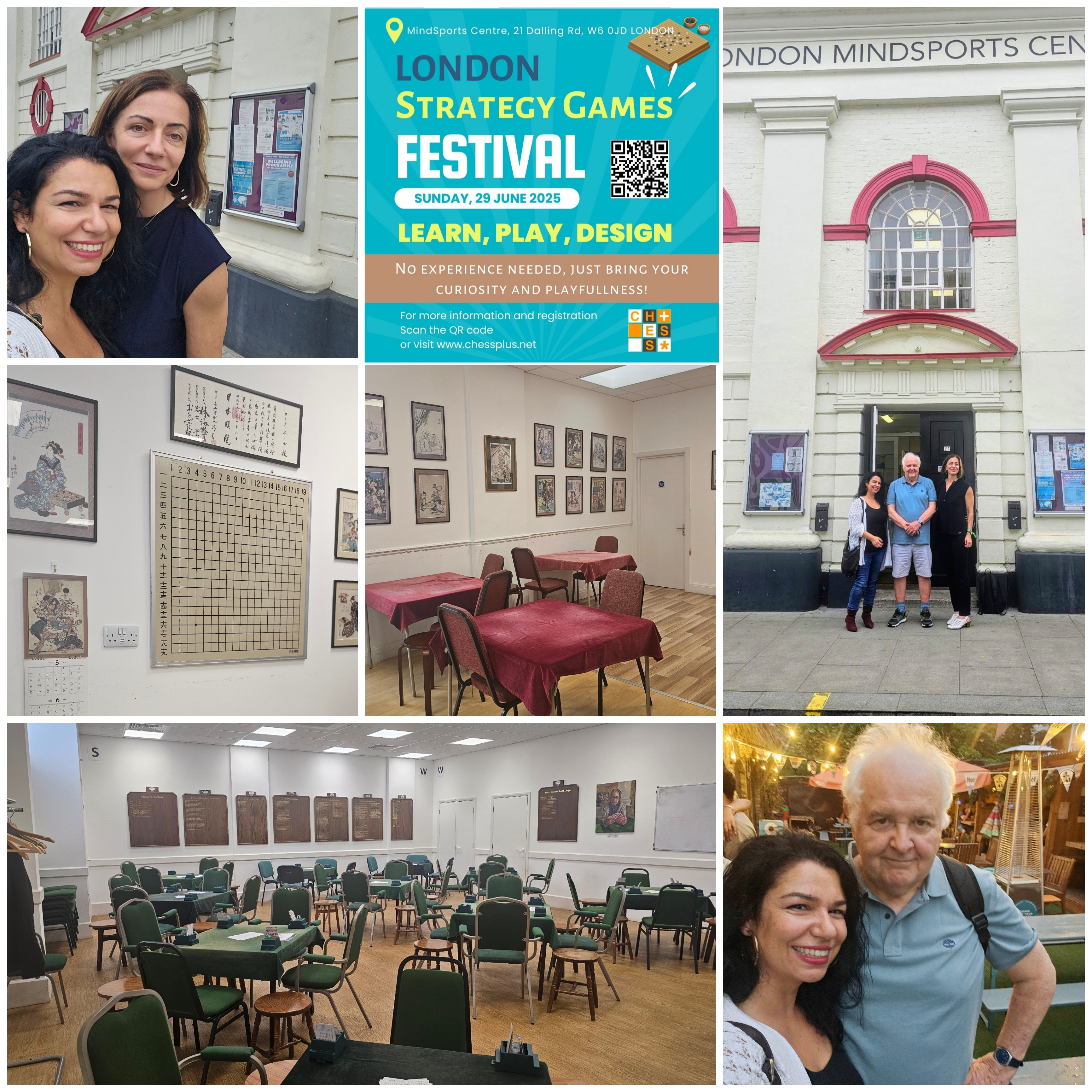
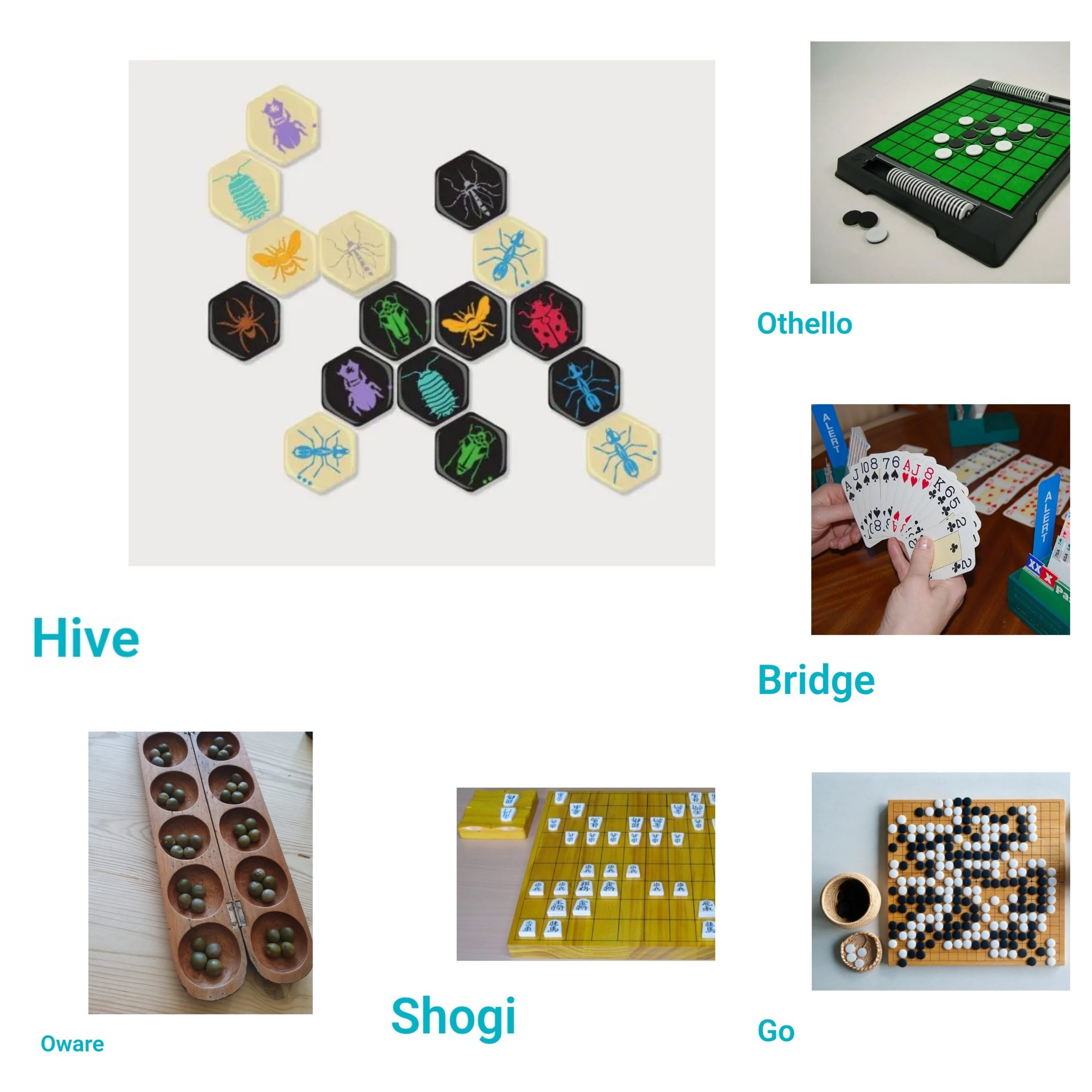
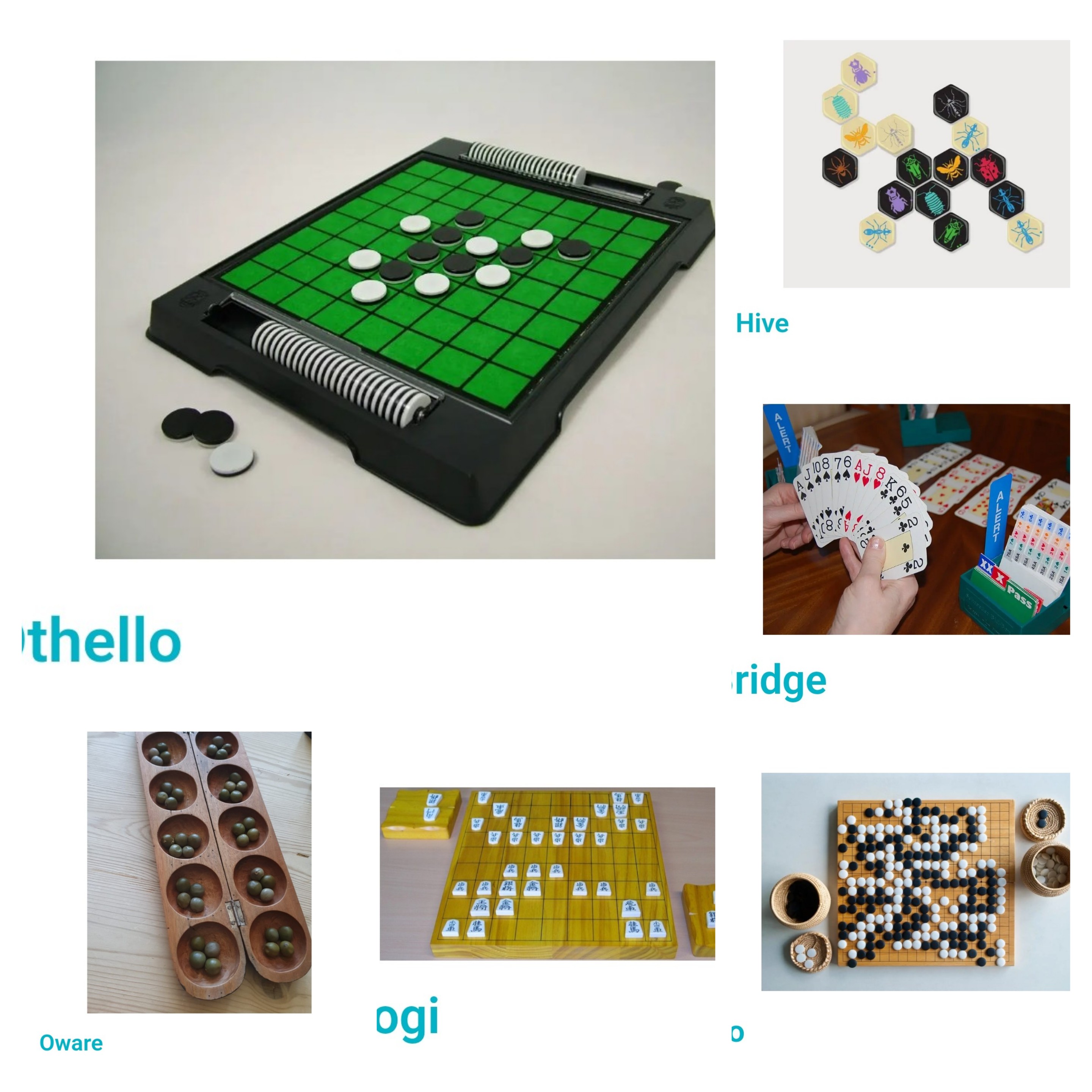
John Foley, one half of the Festival team, gave Rita and I, a fab tour of the London Mind Sports Centre in Hammersmith. It was lovely to have Rita (LogiqBoard co-creator and Fide Chess in Education Secretary) visit London.
I first fell in love with games on the strategy games course where John and Rita presented!
I’m really keen to learn Hive from Fransesco Salerno, who has planned the festival with John. The Shogi playroom was beautiful, the stunning wall art and the unusual game board caught my eye.
https://strategygamesfestival.com/
Come on board teachers. The last weeks of the year are the perfect time to be playful. I’d love to see photos and hear about your games sessions.
Games connect us and we need this more than ever ❤️
Hari x
hari@logiqboard.com
 LogiqBoard BLOG