
This October half-term I visited the Mediterranean island of Cyprus. The Winter sun season is a wonderful time to visit. Cooler but still warm enough to swim and perfect to explore the sights. A lovely trip with gorgeous food, family and friends.

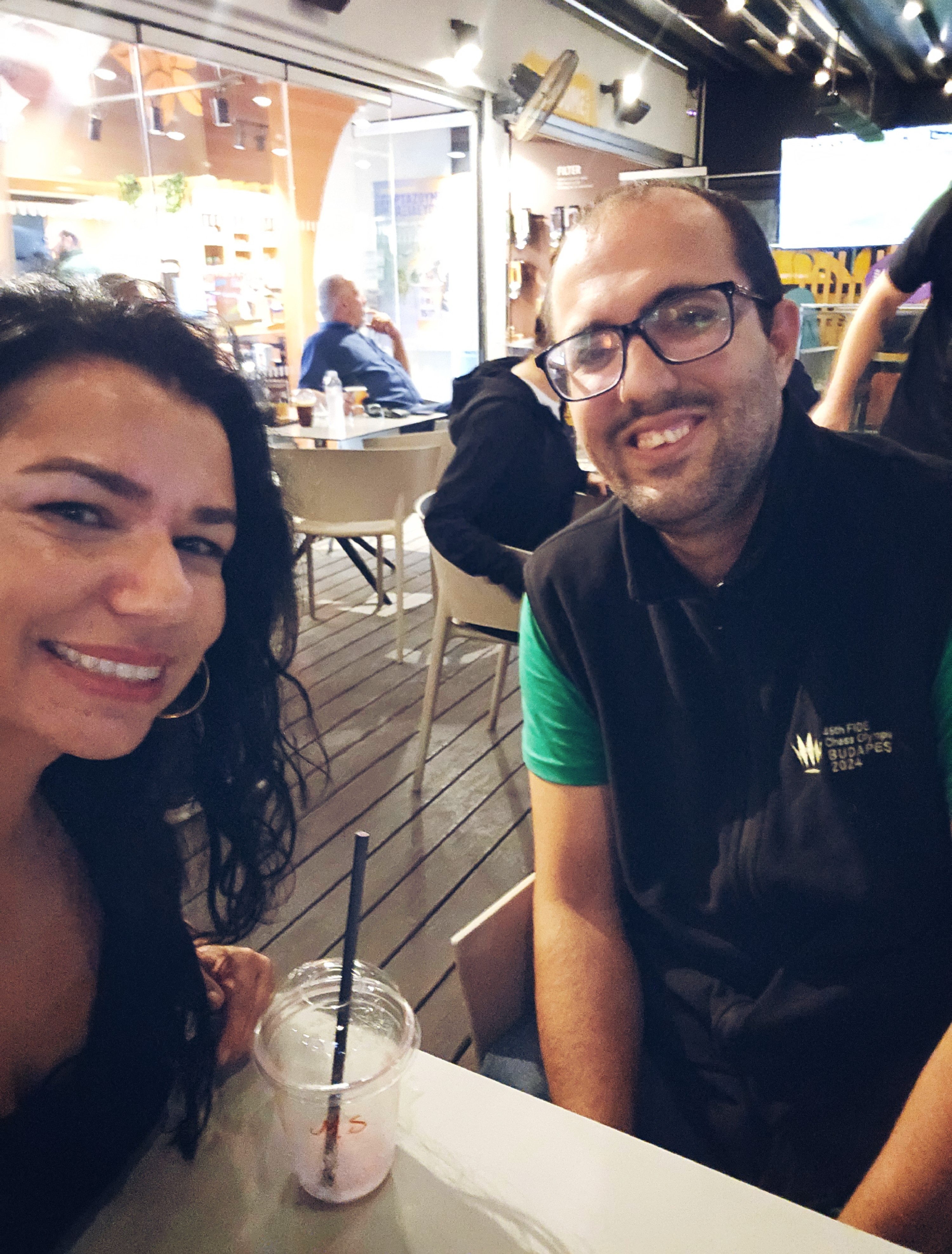
Ofcourse I couldn’t visit without seeing some chessy people. This time I got to visit Mark Bryan. A Fide Instructor and Arbiter. A chess coach at Simba Chess Academy and chess teacher at the GC School of Careers. Mark was also the Cypriot Youth Champion twice.
Chess on the Compulsory Curriculum at the GC School of Careers
Mark currently teaches at the GC School of Careers in Nicosia, the capital city of Cyprus. It’s the only school in Cyprus where chess is on the compulsory curriculum. This means it is taught within the school day like other subjects. I was interested to find out more about Mark’s experiences of scholastic chess.
Teaching chess to young children
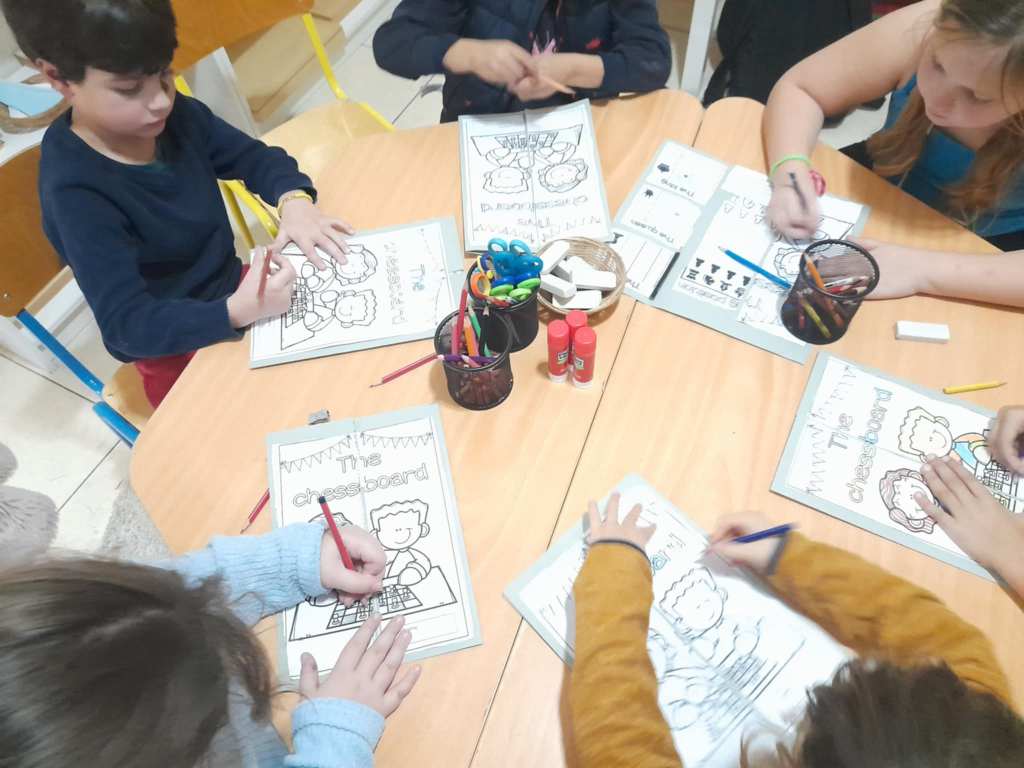
Mark also teaches chess to children in the lower years of primary where the main focus for six and seven year old students is perfect piece movement. Chess tactics, check and checkmate are taught later.
The Chess Curriculum
Mark’s chess lessons are based on the Steps Method, Learning Chess Books. He has adapted parts and created the chess curriculum. In scholastic chess the aim is not to create tournament players but to teach children to play chess and about chess. In this type of chess we explore the many benefits the game can offer: the social skills, problem-solving, decision-making and more.
GC chess lessons are teacher-led. This was reassuring to hear. I personally love the idea of different stations, where children might explore different tasks, or a range of tasks linked to the same or different objective. However I know that in a class of 30 with different needs and abilities and often no adult support, teaching from the front is the ideal.
Mark’s edtech recommendations.
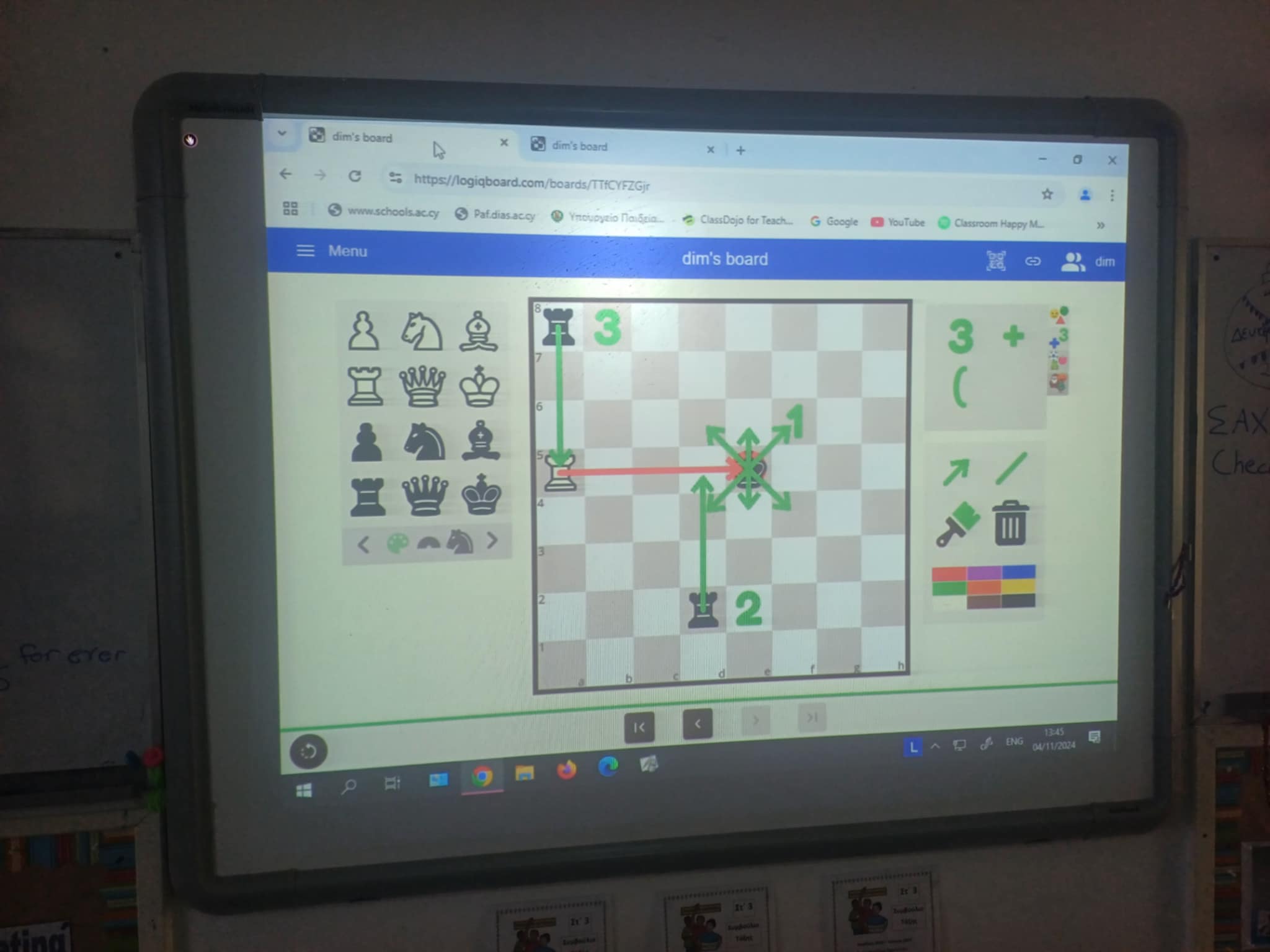
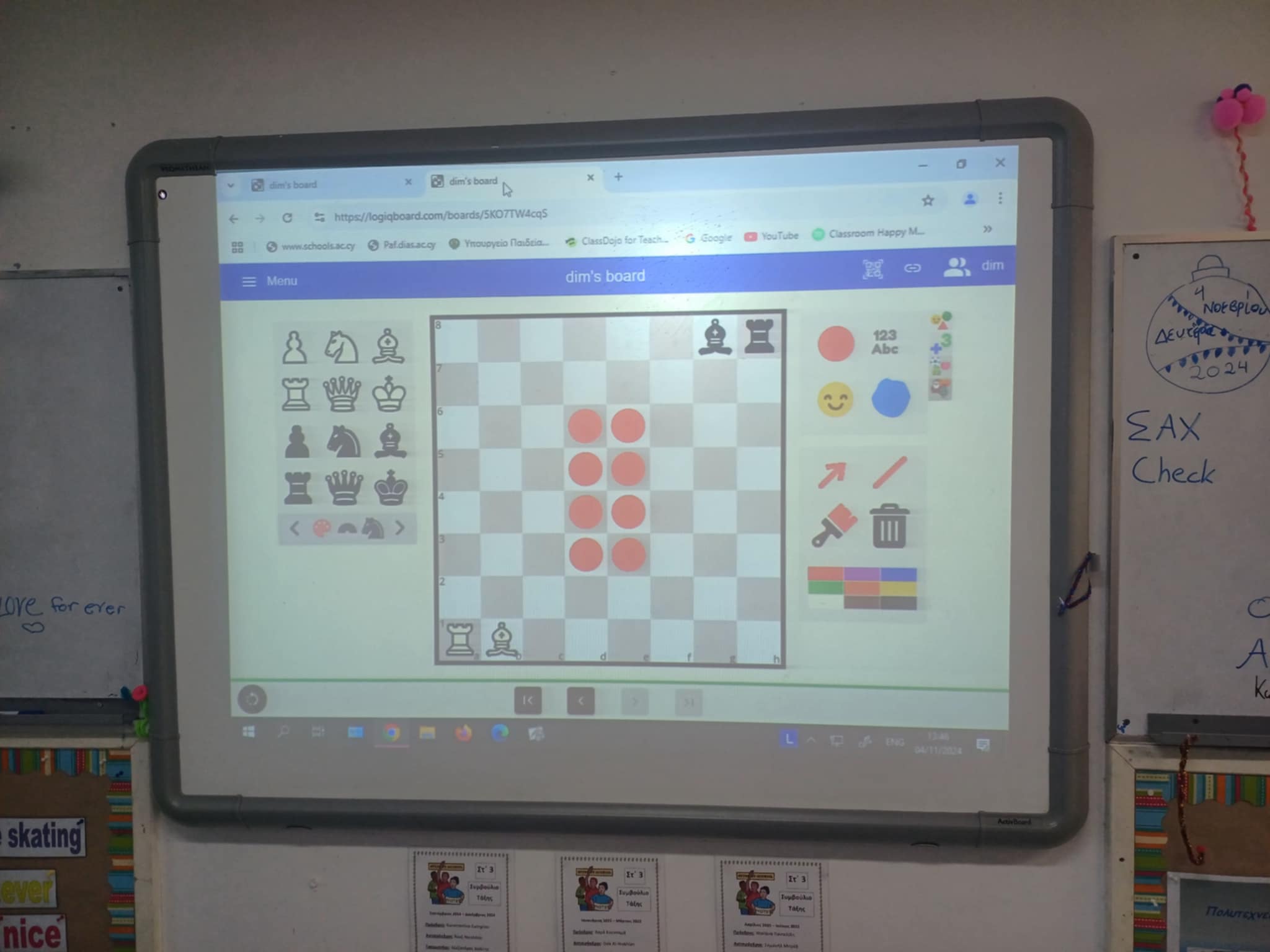
‘LogiqBoard is unique. It is a blank whiteboard. I cannot find anything like it!’
In chess lessons at the GC school older primary students will sometimes use Ipads. Mark’s main platforms are Lichess and LogiqBoard. LogiqBoard is the teacher demo board. Mark praised the tools, the colours and how easy it is to create puzzle boards not only in advance but also mid-lesson. When you teach you have to use all the opportunities for these ‘teachable moments’. Notice something in class then create it in seconds on LogiqBoard for all to see.
The Future of LogiqBoard
As we plan to make LogiqBoard show correct piece movement, Mark explained that although this is a good feature to have, we must also keep it as it is. Having the option to not have squares light up showing possible moves or corrected moves means teachers can assess children’s knowledge and create puzzles, mazes, game variants etc. LogiqBoard is ‘his blank whiteboard and there’s nothing like it.’ 🙂
Girls in the Chess Classroom:
Mark had some valuable insights into teaching girls. He does not give extra praise to girls but treats them as equals. In two of his classes the girls are much stronger players. It varies from class to class. Mark has years of teaching experience in schools and clubs. Many of his students also play in tournaments. He has supported children and parents in what can sometimes be emotional situations. Marks words were every clear:
I see the girls. They are not less. They are very capable at chess.
Mark did share a recent experience where a class had high achieving boys but reluctant girls. He decided to adapt his planning in order to motivate and ignite a passion for chess.
He created a series of lessons where students explored the history of chess. Rich disussions on the European queens and how in chess the queen evolved from a primeminister to a queen. They also looked at my favourite film, The Queen of Katwe and the inspiring life of Phiona Matesi.

The Chess Environment
The chess classroom also plays a role in motivating girls. Is it inviting? Are there chess posters? Are there chess books with empowering stories or authors?
Mark motivated his female students through displays, stories of chess players he had met and creative tasks. In one lesson students had to design a chess piece and replace it with another one.
An important point to make here is that female students also need to see female chess players. They need to see females in competitive chess but they also need to see teachers like myself where chess is a game to play. A hobby. A pass time.
After school clubs
Mark exlained that competitive chess is taught at after school clubs. He also does this! Over the years he has seen that male students are often happy to dedicate weekends to training and tournaments, sometimes missing key social events at home.
There are many things we can do to promote chess for girls but being aware of these differences is important. We’ve mentioned some but there are more. Another blog for another time.
Mark why don’t you speak at a chess conference?
I couldn’t help but ask Mark this question. He has so much to offer to those teaching chess. And I also know he and his wife create great resources.
Below is Mark’s LogiqBoard football creation:
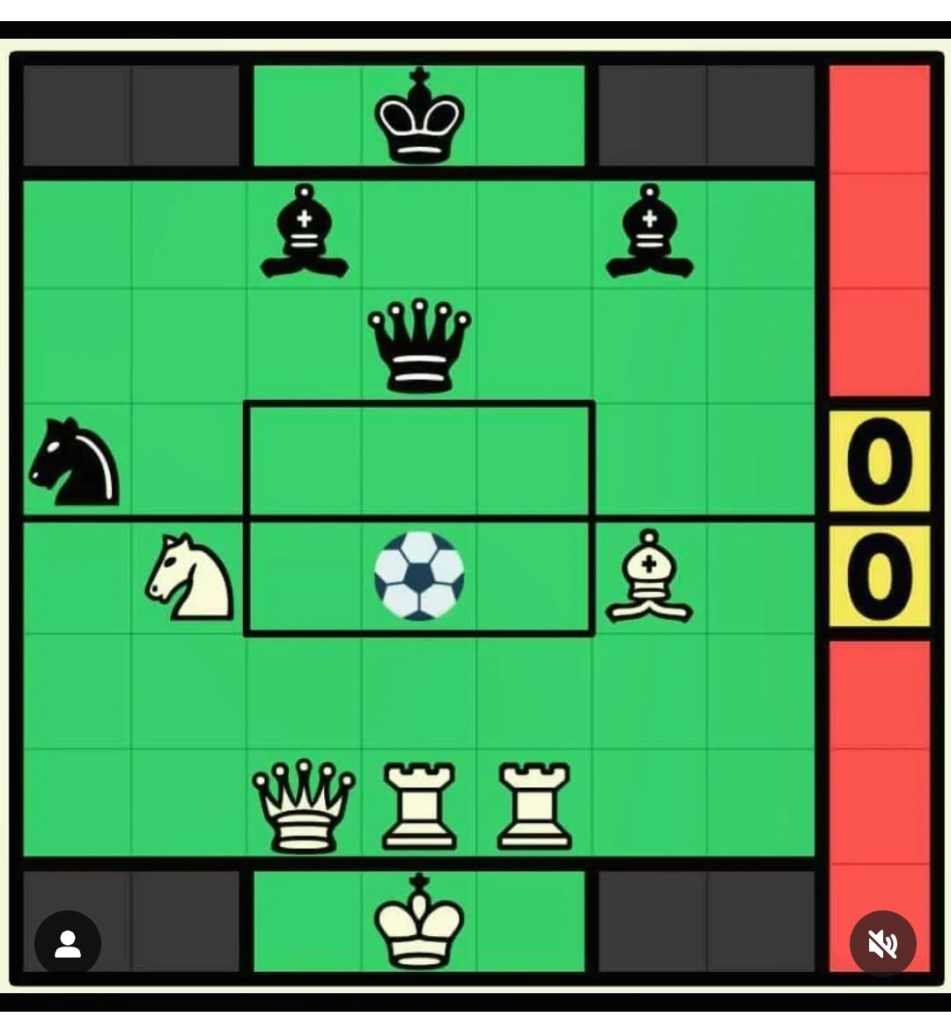
Mark explained that he doesn’t have the time. I gave him a teacher glare and he added ‘at the moment’. Mark’s school has been award a Fide Gold Award for excellence in teaching. Having spent this time with him I can see why.
The Life of a Chess Arbiter
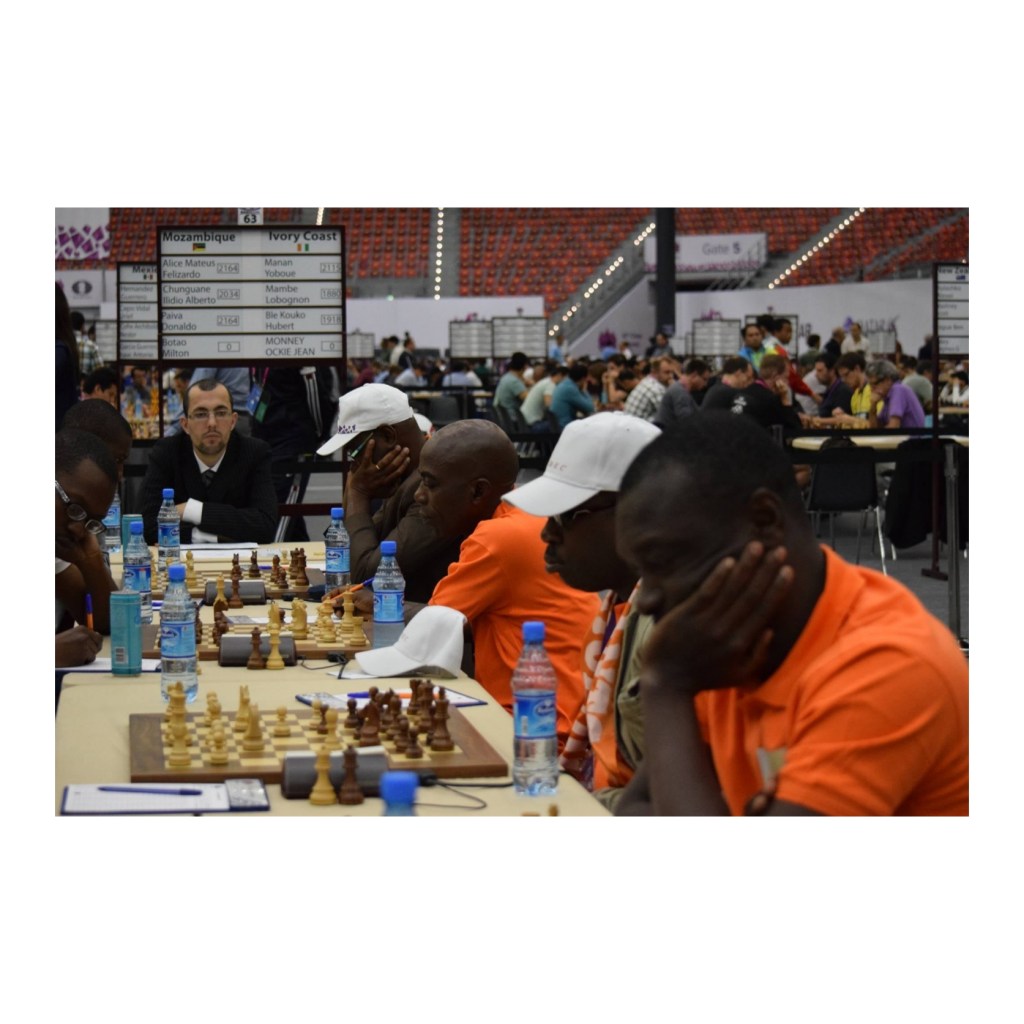
So this part of our meeting was fascinating. A completely unknown world for me. Mark was also in Budapest at the Chess Olympiad! He was in charge of four games. (In a normal tournament he might watch over twelve boards.)
I dig deeper and realise that arbiters, unlike teachers, cannot offer advice after games or even socialise with players. Security, cheating, disputes and professionalism are all issues arbiters are aware of. You also cannot watch the games as a spectator and enjoy them. An arbiter is there to work.
Do you research players in advance? What was the most difficult dispute and how did you handle it? What happens when players need a bathroom visit? Do you see previous moves in your mind during the game and what might follow a move or do you only focus on the now?
This conversation was a glorious surprise. Has anyone written ‘the secret life if a chess arbiter’ for normal people like me? I think it could be a best seller… 🤫
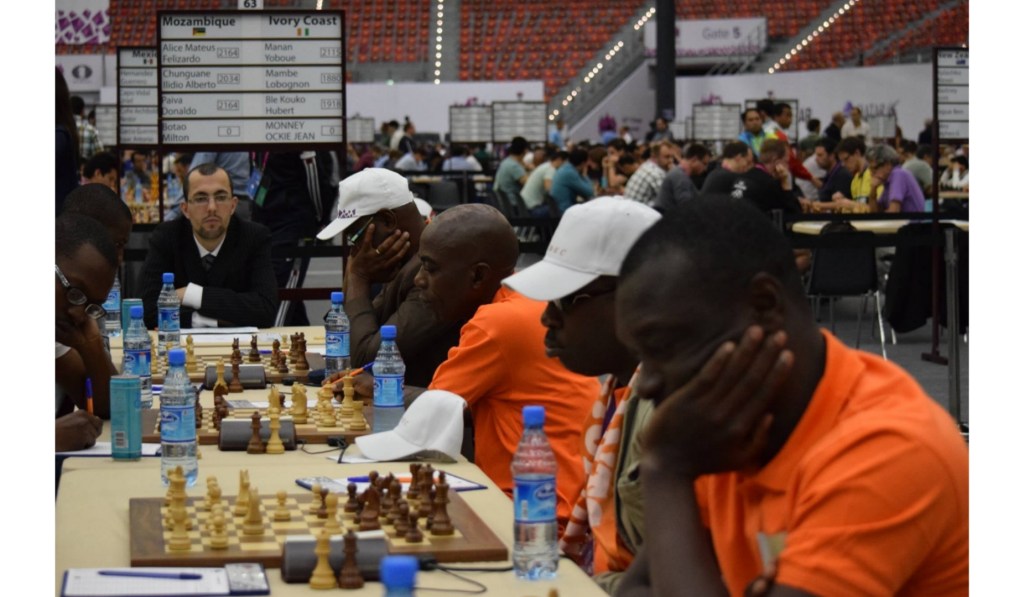
Mark was Chess Arbiter at the 2016 Olympiad in Baku
What do do think of the new ECU course, Chess in Primary Education?
Mark is a current student on the ECU course. His feedback was very positive, he told me that it’s a brilliant course and he particularly loved the history and research modules. (these are the two modules I’m most curious about!)
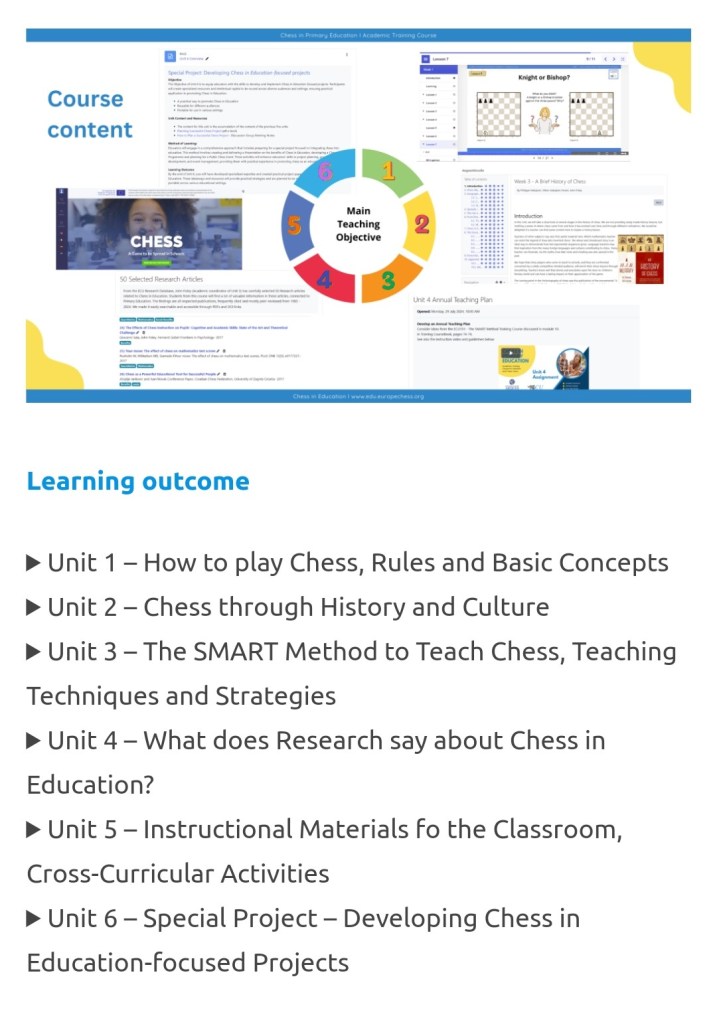
Yes, you have to dedicate study time and work hard but with my own strengths in pedagogy he assured me I should be fine!
He’s met some great people , found new resources and developed his pedagogical knowledge. He completes the course in the new year.
Start to finish
Mark’s journey into chess began very young. It was Mark’s mother who taught him chess at just five years old and his father took him to tournaments.
Fast forward and here we are. Mark is teaching chess to so many.
And although he no longer takes his students onto tournaments himself he is dedicated to his role as an arbiter. He explained he couldn’t be both and do both well. He had to be there to support his students emotionally and being on both sides was tough.
Mark it was truly a pleasure to meet you. Our meeting didn’t work out four years ago but I’m glad it did now. Good luck with everything.
Hari x
 LogiqBoard BLOG