
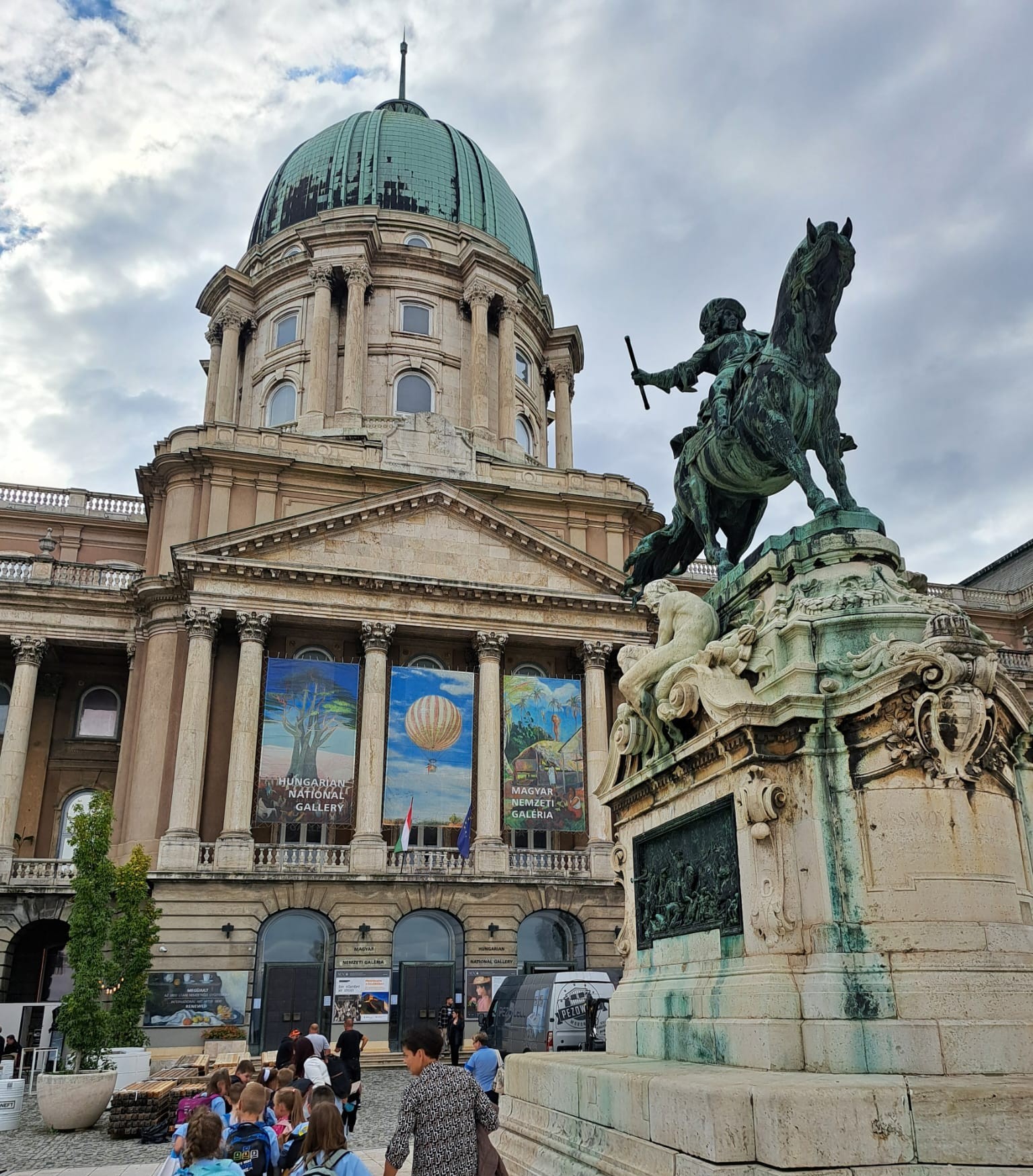
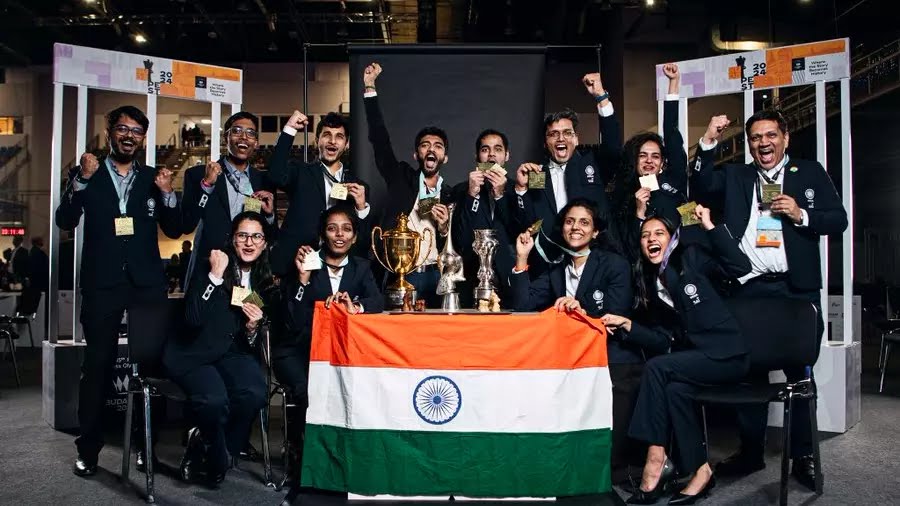
I’m back from a wonderful few days in the beautiful city of Budapest where Judit Polgar’s Global Chess Festival coincided with the 45th Chess Olympiad. Chess players from around the world represented their nations. Congratulations to the Indian team who won gold in both the open and women’s section!
Today’s blog is all about my favourite moments.
The Global Chess Festival in 2 days
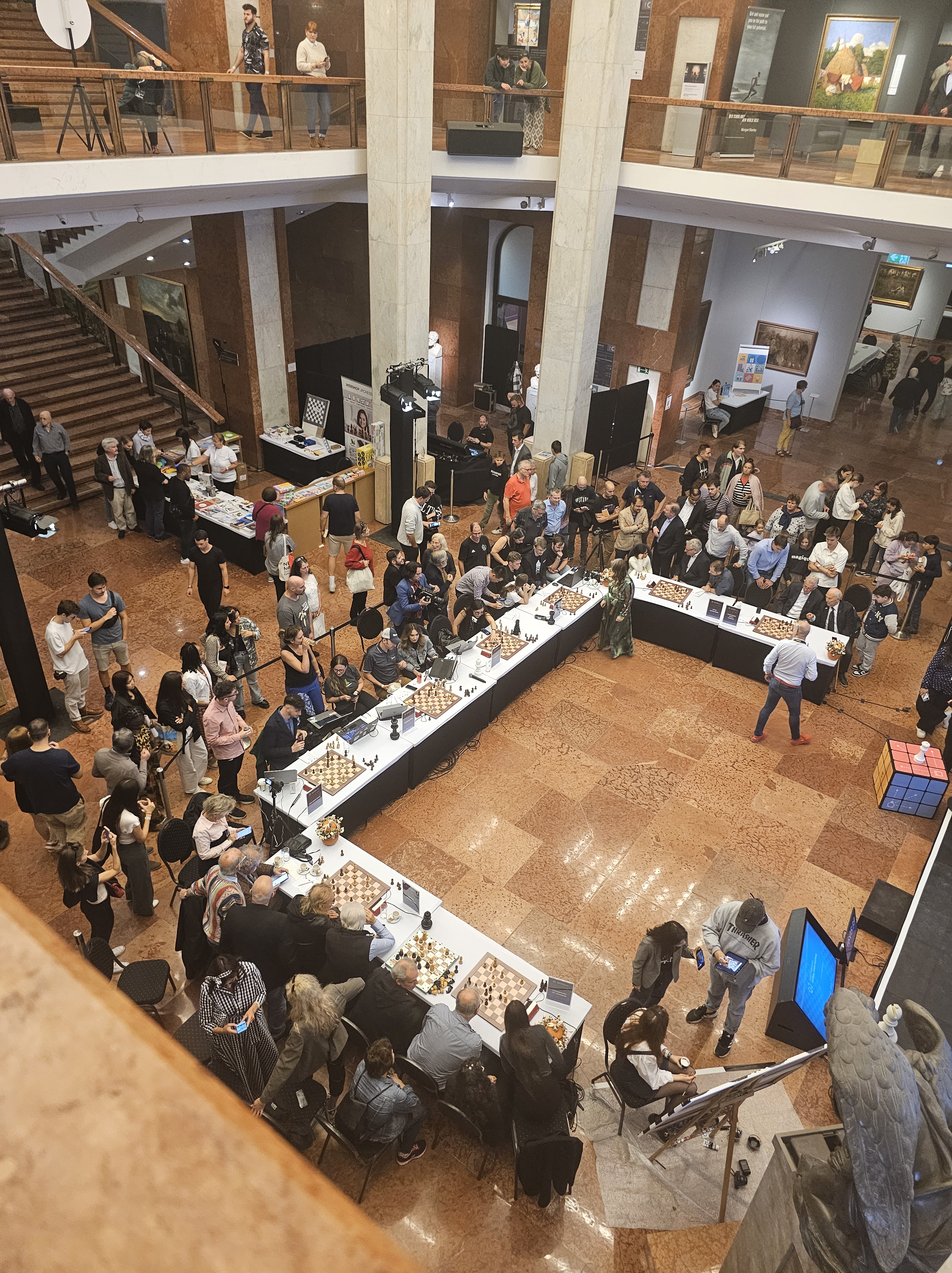
Day 1 of the Global Chess Festival was held at the Hungarian National Gallery in the stunning Buda castle. The museum takeover was a huge success, events included a community simul with Judit Polgar, book signings with the Polgar sisters, giant chess, mini games, a Starchess tournament as well as cross-curricular chess activities linking chess to art, robotics and stories.
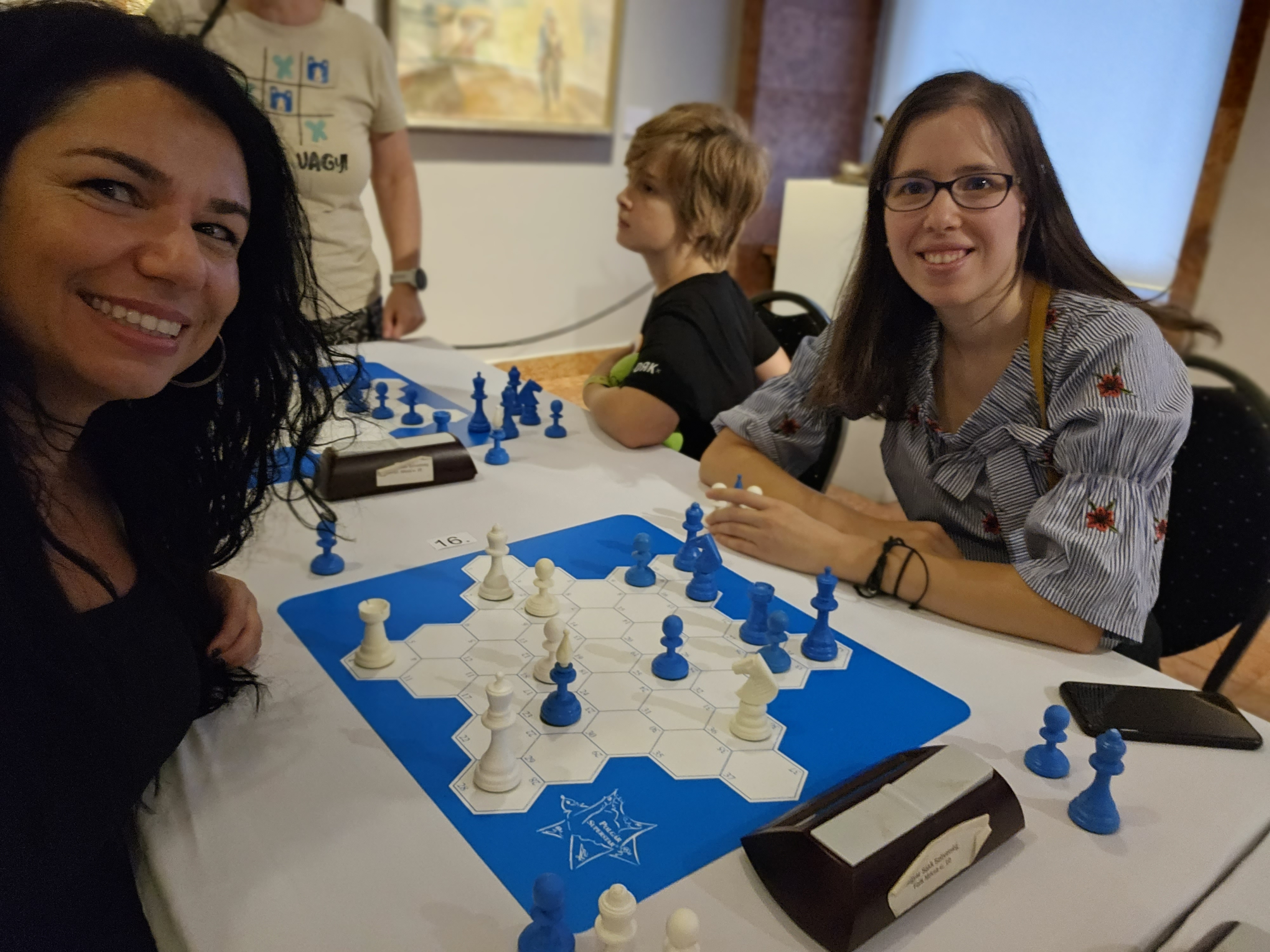
Erno Rubik, the inventor of the Rubik cube was the patron guest and inspired many young children at his Q and A talk. Huge thanks to Noeme who gave me a quick lesson on Starchess just before her tournament resumed! Starchess is a chess variant designed by Judit’s father, Laszlo Polgar.


The Education Summit
Day 2 of the Global Chess Festival was the Education Summit. What a line up! A range of passionate chess experts and educators from around the world came together to talk about their projects involving chess.
It was great to see our Rita Atkins showcasing LogiqBoard at the summit inbetween the many events she was organising as the Fide Education Secretary. To watch Rita and the other speakers in action, click below:
https://www.youtube.com/live/mUYuak-UZPE

The LogiqBoard Trio Unites
As well as the education summit, I had another reason to visit. Rita, Marton and I finally got together in real time. I got to meet my LogiqBoard creators in their home country and during the year’s biggest chess events. Zoom meetings are great but there’s nothing like a face to face connection.
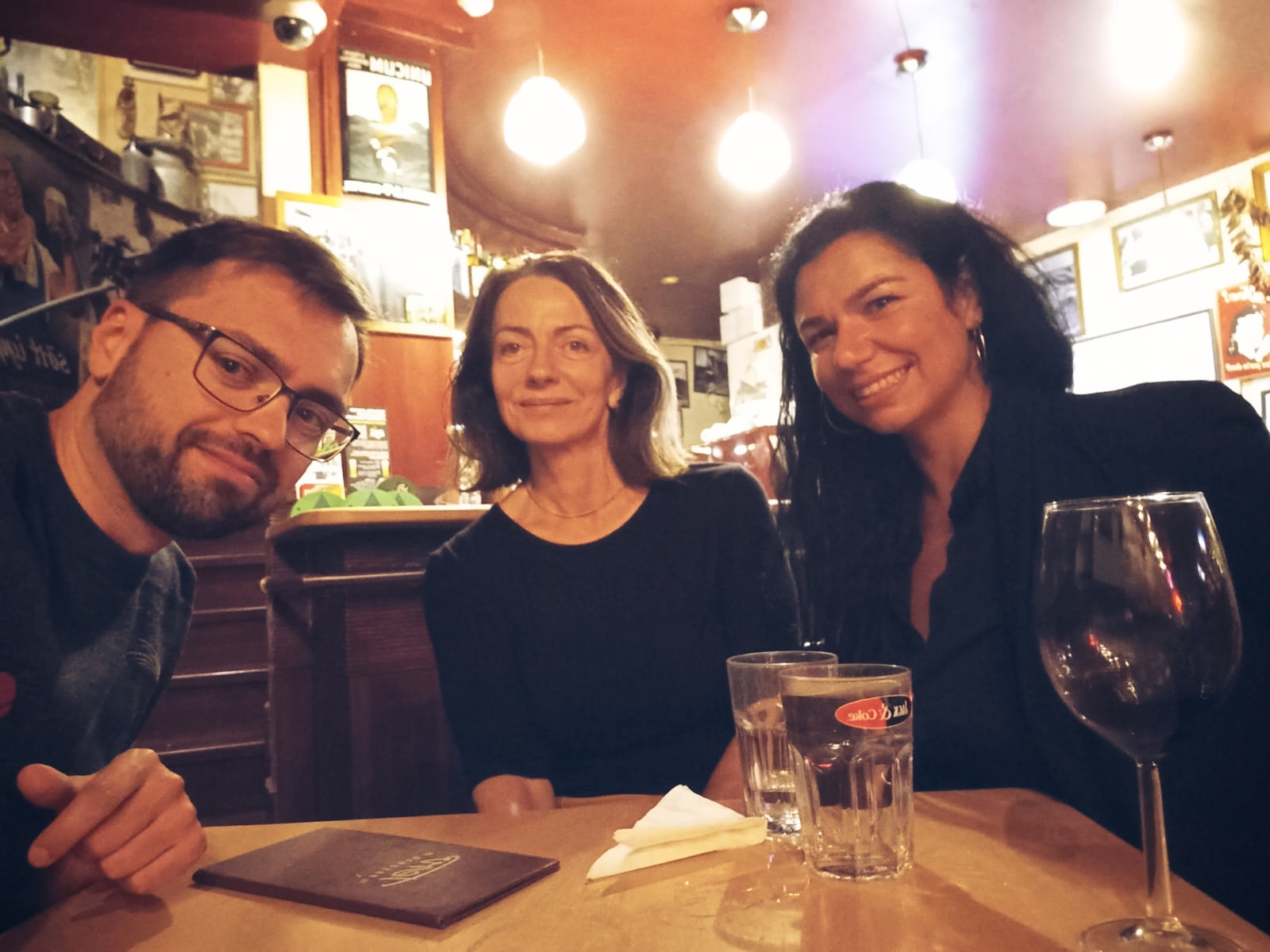
We laughed and celebrated, toasting to our achievements big and small, making plans for the future. The theme of Judit’s Education Summit was inspiration and my two inspirational people were right here.
The Chess Queen, Judit Polgar
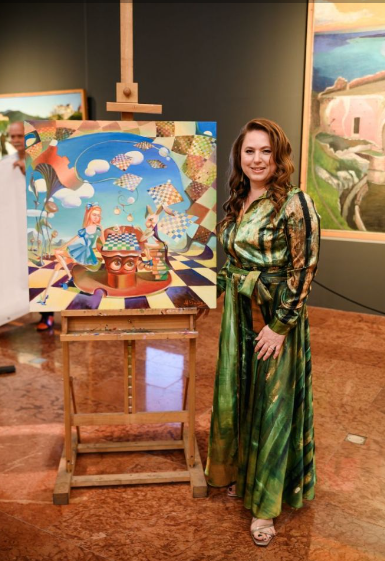
Judit Polgar’s story is a remarkable one. A child prodigy, grandmaster at the age of 15 and the strongest female chess player of all time. She was born into chess and trained hard. Judit has beaten many great players and world champions, including Garry Kasparov and Magnus Carlsen. Now she also leads the way in chess education. Her books and Chess Palace programme in Hungary is an exciting chess curriculum for children. I got to see her immersive chess education programme at the Fide Chess exhibition.
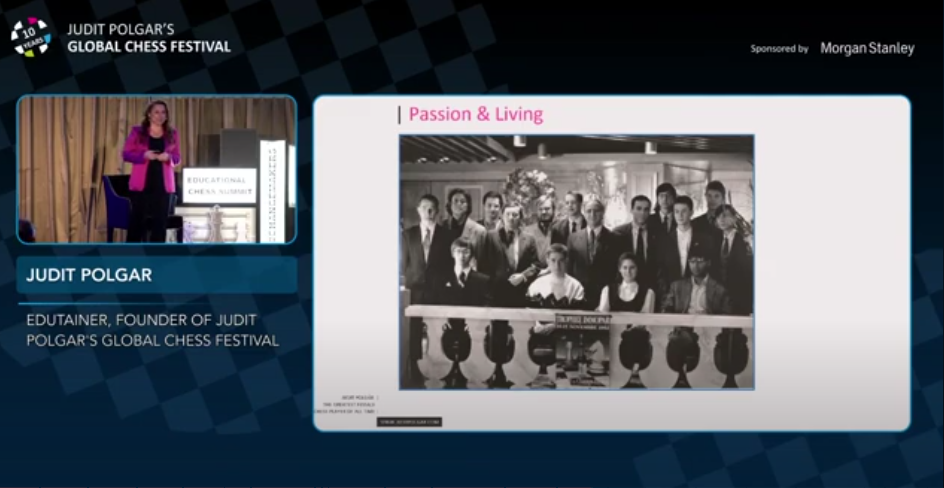
Judith spoke at the Education Summit and her power and wisdom for chess and education shone through. For a mini biography read: https://juditpolgar.com/bio
When a photo speaks 1000 words, Judit has been breaking barriers from day one.
So who else was on my list of people to meet?
Maurice Ashley
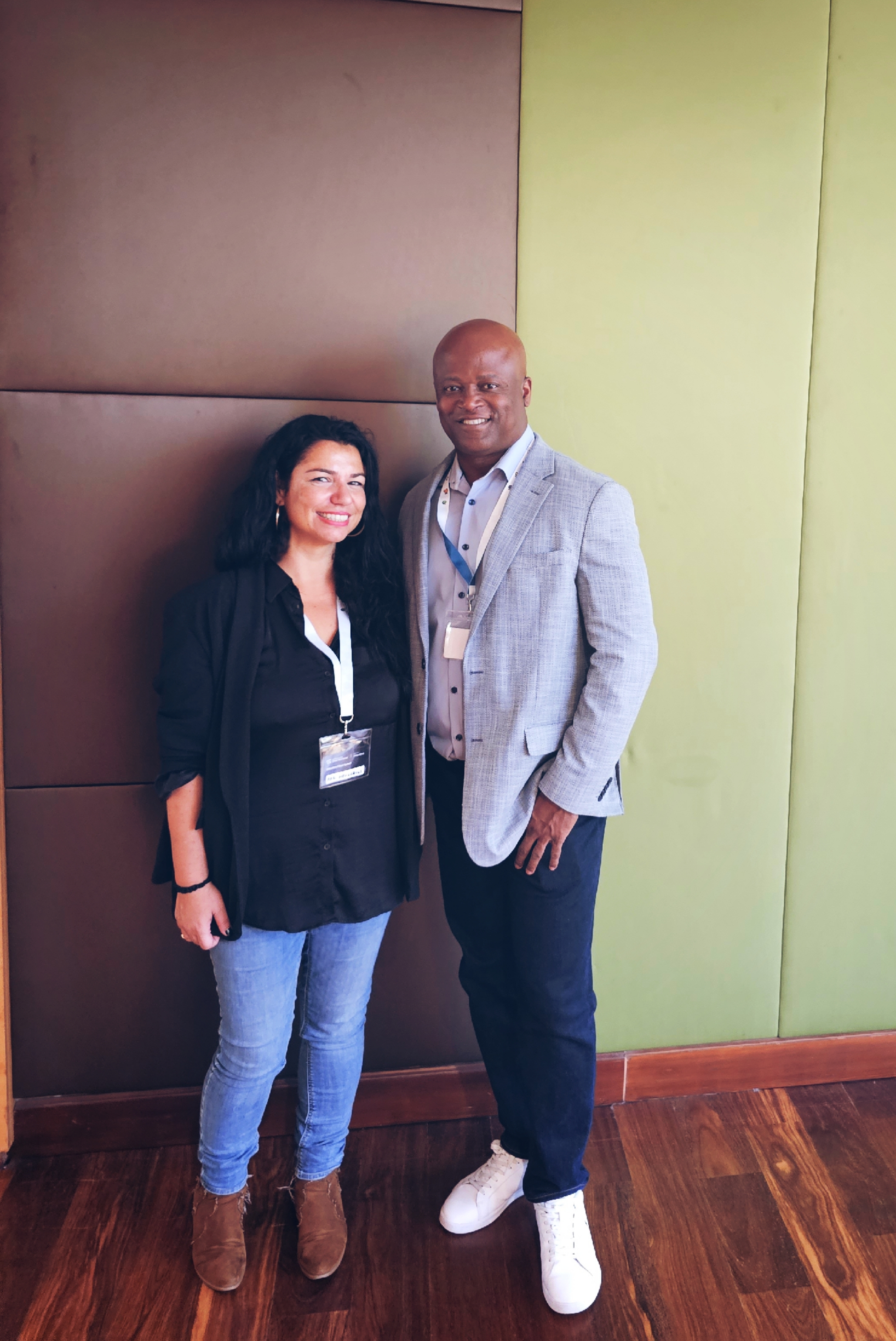
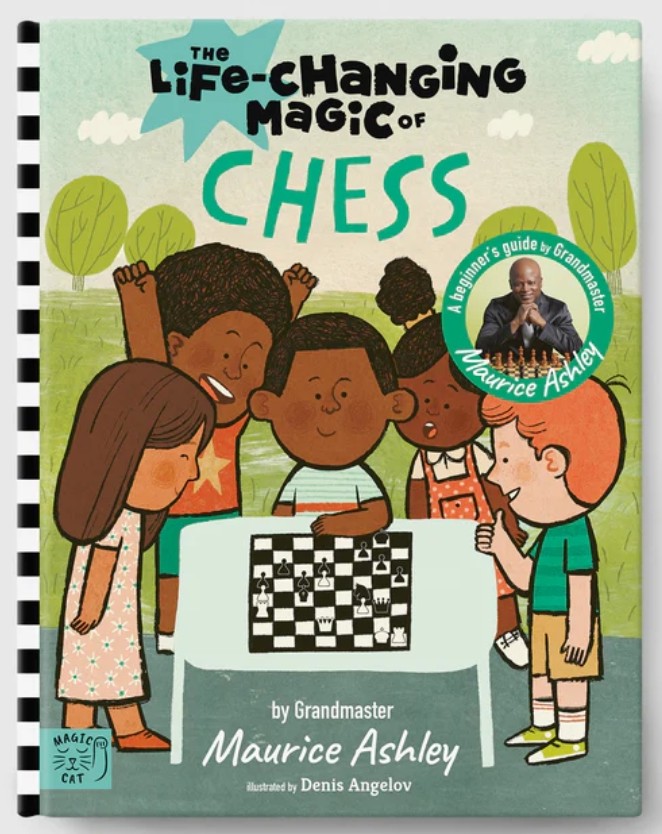
It was wonderful to listen to Maurice Ashley’s Q&A with Leontxo Garcia. Not only because I recently reviewed his brilliant book The Life Changing Magic of Chess but I knew my young chess students in North London would be blown away when I told them my news. His book is our favourite chess book!
We also had a delicious lunch together with two other speakers, Sebastien and Dijana. Sebastien Siebrecht is a grand master and creator of the Fascination program , bringing chess to shopping centres in Germany. What a unique idea, teaching children to play chess in a key community space! Dijana will be mentioned later…
Maurice and I discussed how chess can be transformative, shaping behaviour and attitudes. Like a shelter for the invisible child. (I hooked Maurice in with these words). My experiences as a class teacher have always shown this. Chess has a way of drawing children in. Whether they need help with behaviour, a friendly space, chess might be a tool for learning or reason to believe in themselves. Chess can be many things for different children. Maurice and I had lots to talk about, including his wonderful Chessable courses and pawn puzzles. I’ll be sharing a puzzle soon on LogiqBoard.
Elias Mastoras
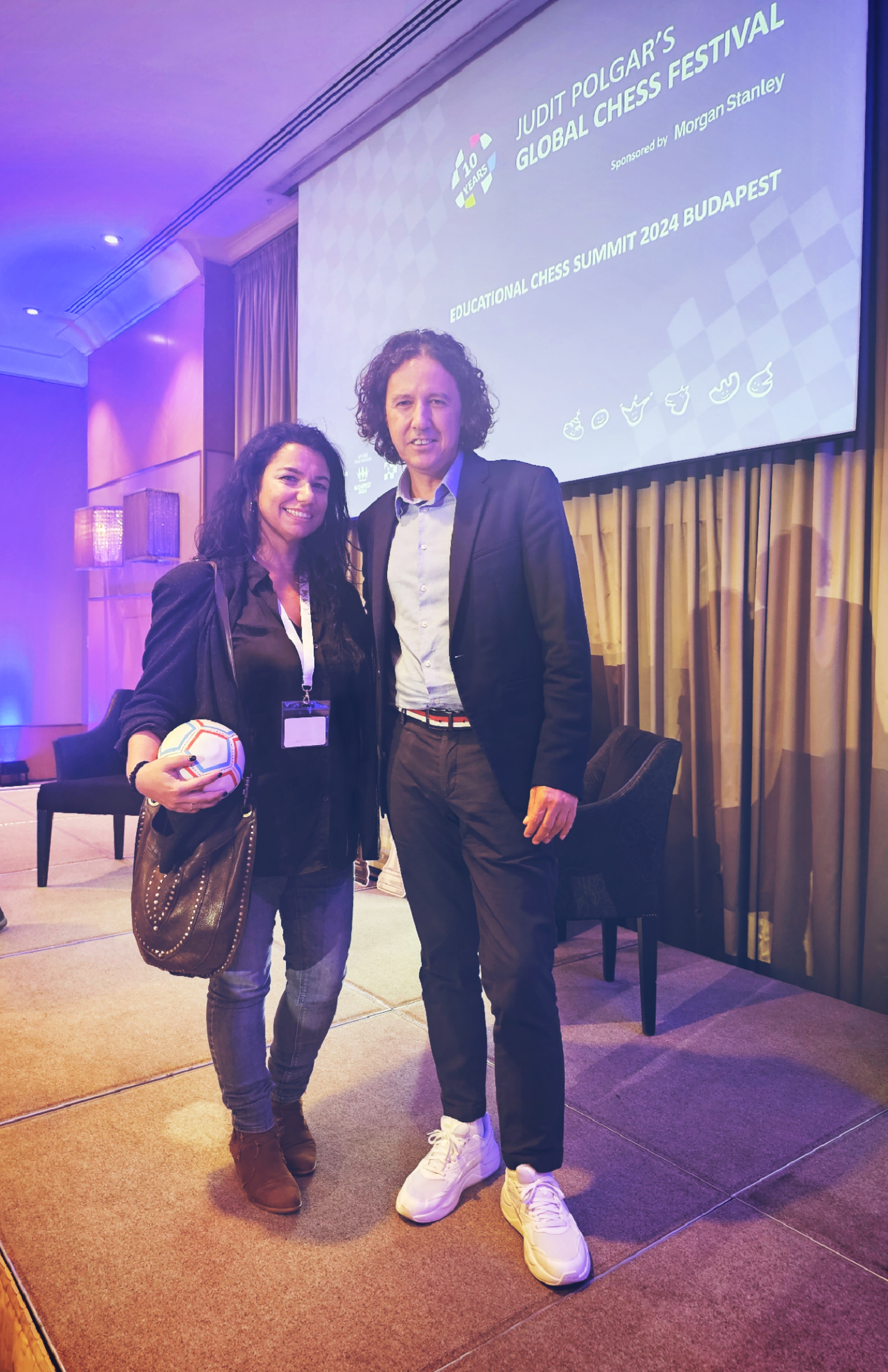

The next person on my radar was Elias Mastoras. Yes, seeing him in Greece wasn’t enough! His video presentation was wonderful as I got to see an event in Thessaloniki he had spoken about in our last meeting. Children from schools around the country came together for chess and other activities. Fun, learning and community spirit was the aim of the day.
Do read my previous blog to see how his work changes so many lives for the better. I got to hold the Ball for All football he created, the ball used in the Paralympics football in France this summer. His work in blind football, chess and blind chess is really something.
Maria Anna Stefanidi
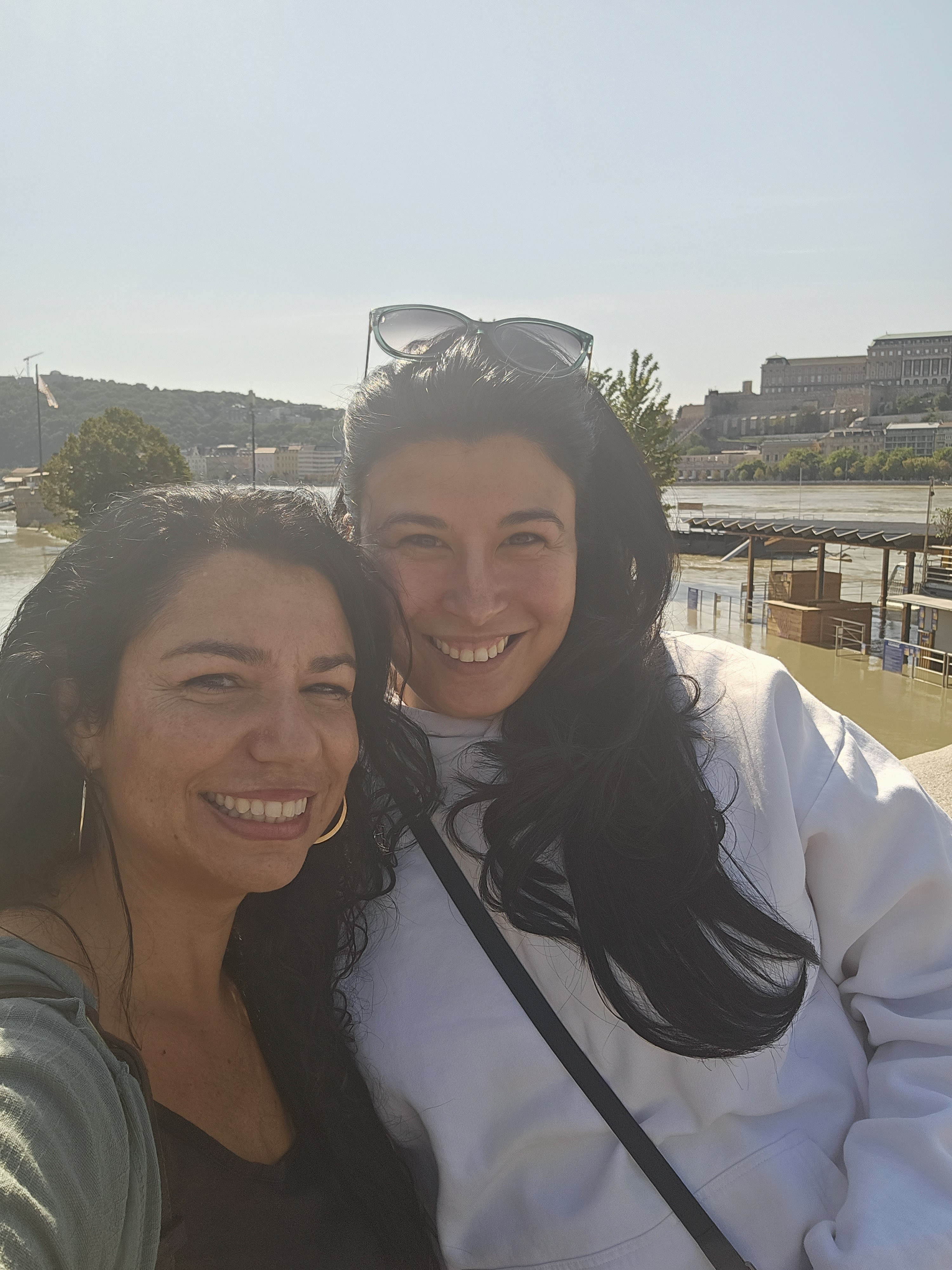

I had to meet Maria Anna Stefanidi. A friend on social media and super fan of LogiqBoard. She was here with the Greek chess team but also to present a talk. Maria Anna, a Womens Fide Master, spoke about chess in the early years and shared her work at her Shah Mat Academy in Cyprus. I will be visiting very soon to see the teaching methods needed for little chess learners. My fondest classroom teacher days were when I taught reception class in London. Four fabulous years teaching 4 and 5 year olds but we never explored chess.
Mauricio Arias Santana
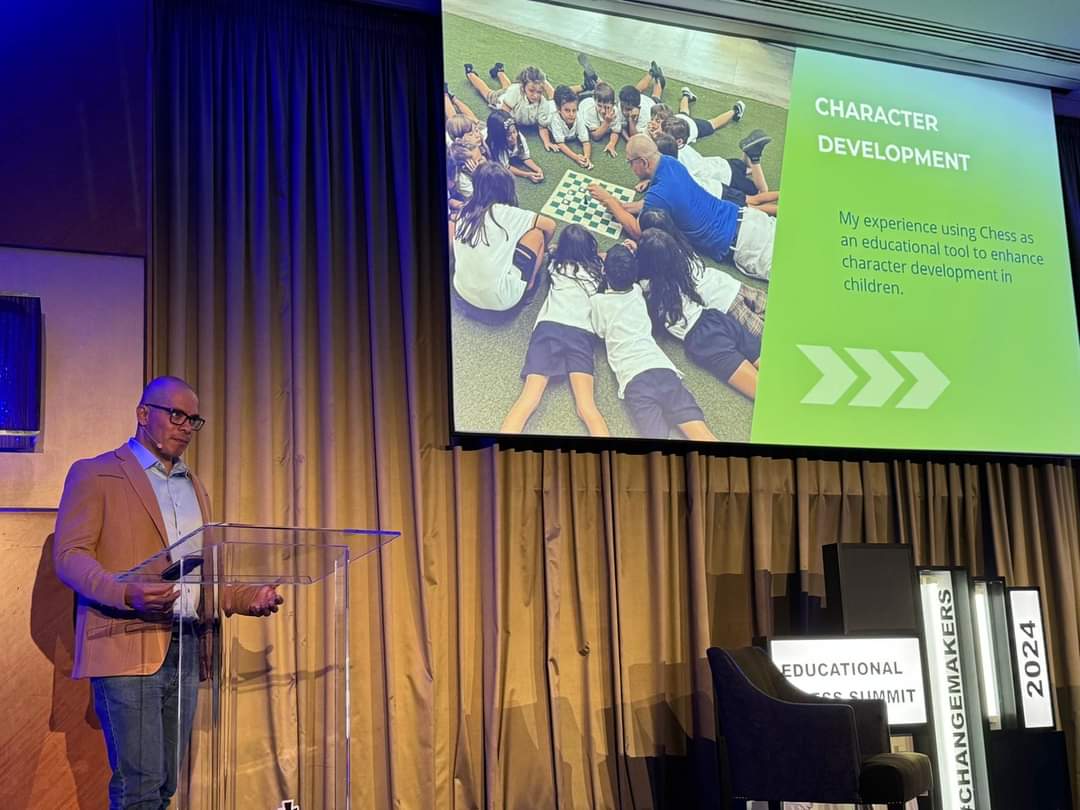
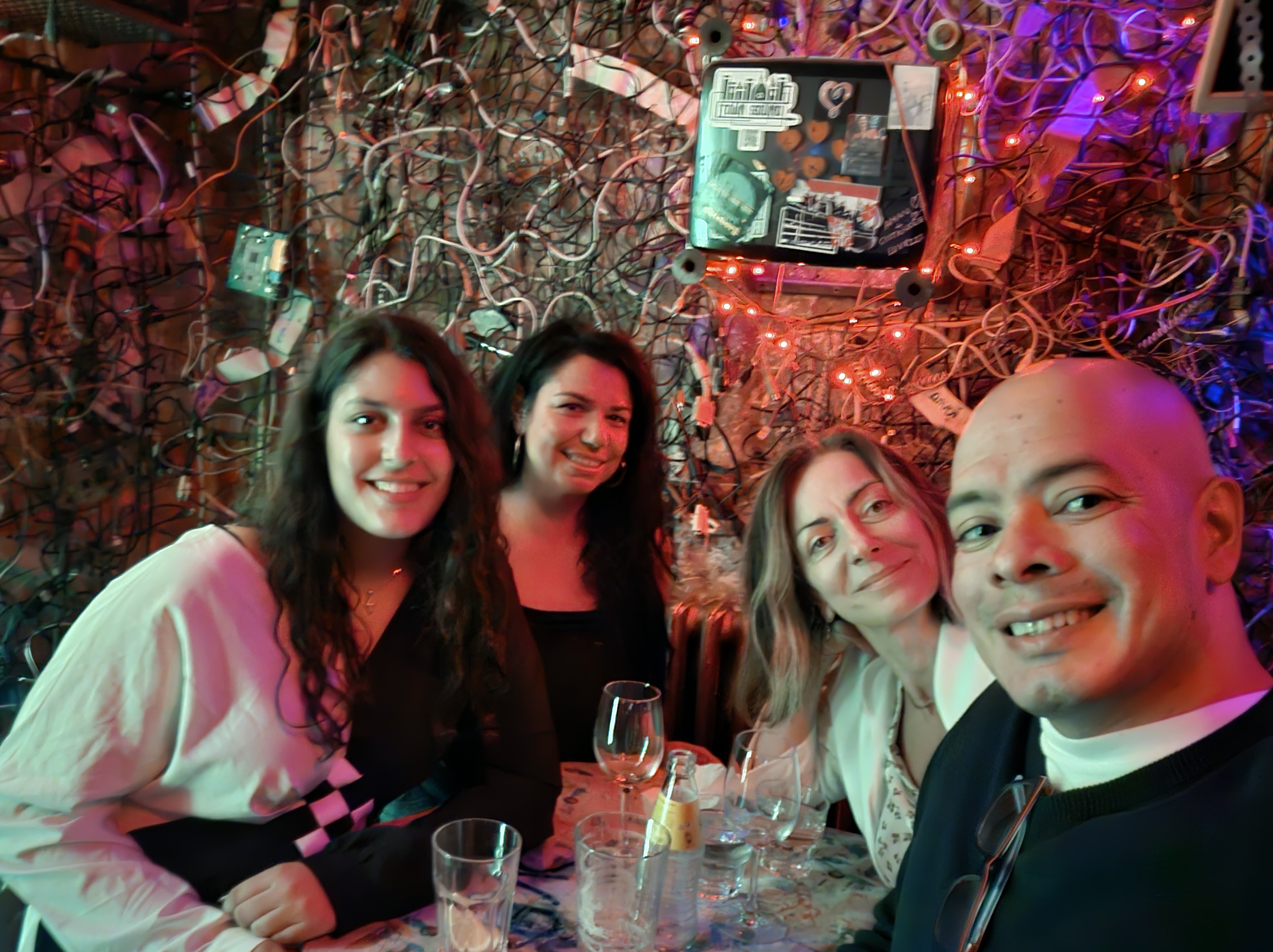
Not long ago I was watching a wonderful online chess conference from Fide America. Mauricio was a co-host and another LogiqBoard super fan so it was great to meet face to face to learn about his work.
Mauricio’s presentation stood out for me because it wasn’t about a chess curriculum, chess training for teachers or a chess initiative. It was autobiographical. A moving account of how chess came into his life and how he has impacted on the lives of others. It’s the stories of people that truly inspire. Thank you for sharing your story.
Dijana Dengler

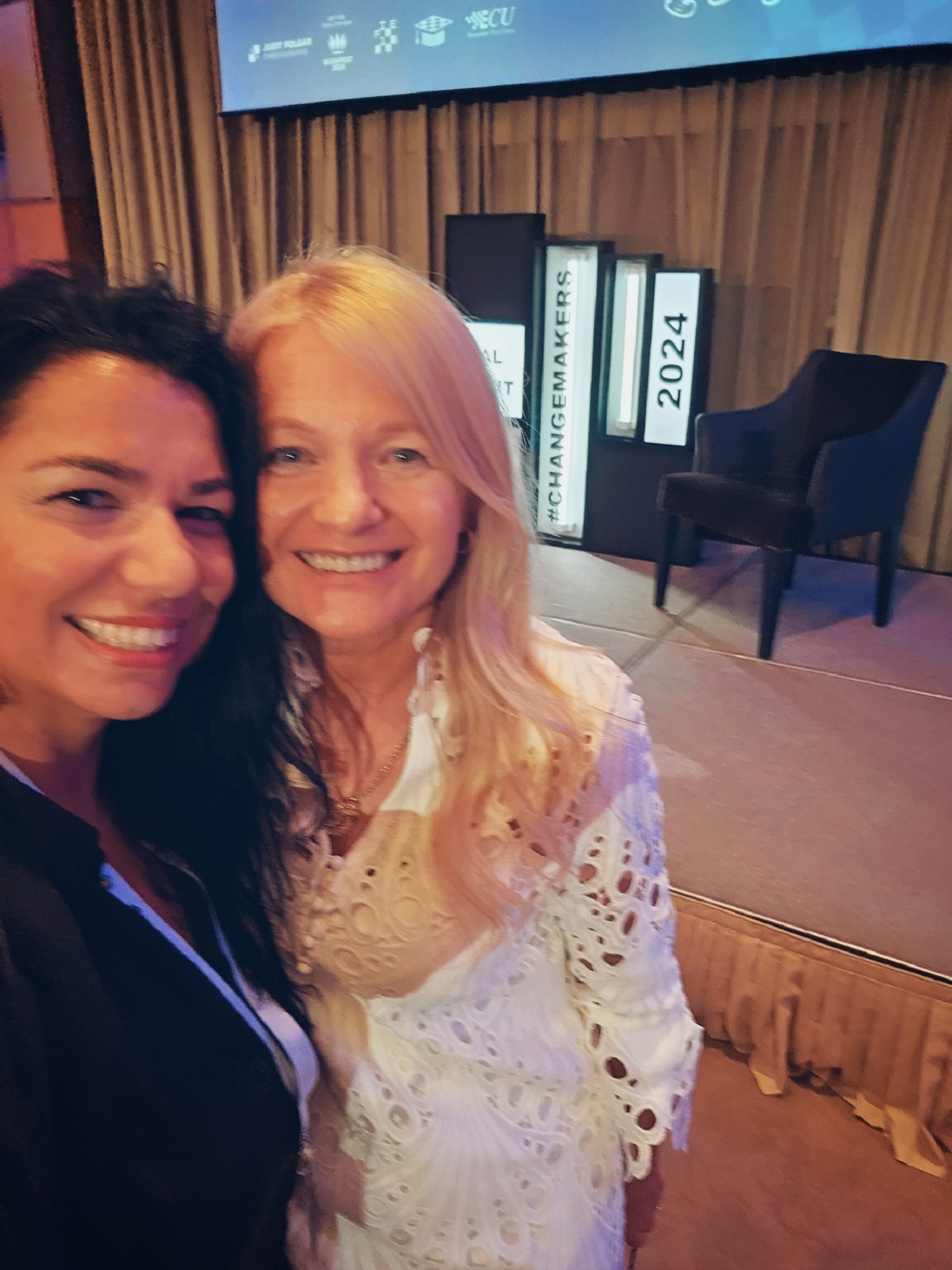
Another favourite was someone I saw online at the American education conference. Dijana Dengler had lit up the screen with her smile and enthusiasm for LogiqBoard. Dijana also received an ambassador award for her work in chess education.
She shared her exciting chess school in Singapore. Her energy and passion for chess in contagious. The part that really drew me in was the chess yoga. As a hot yoga addict I loved the movement and music she incorporates into her chess school. I think she deserves an extra award for making all the chessy people do yoga moves and dancing on stage!
The History of Chess
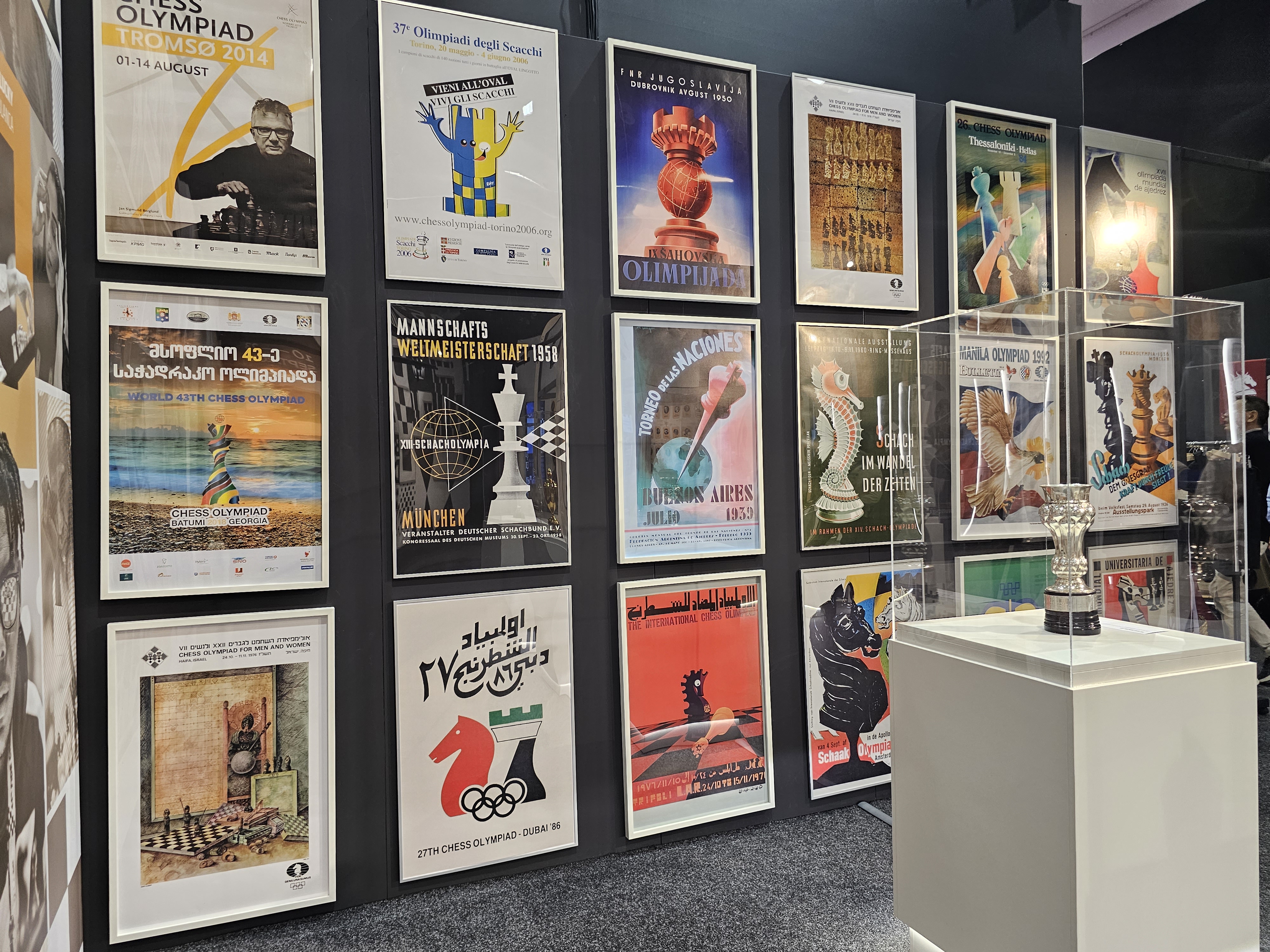
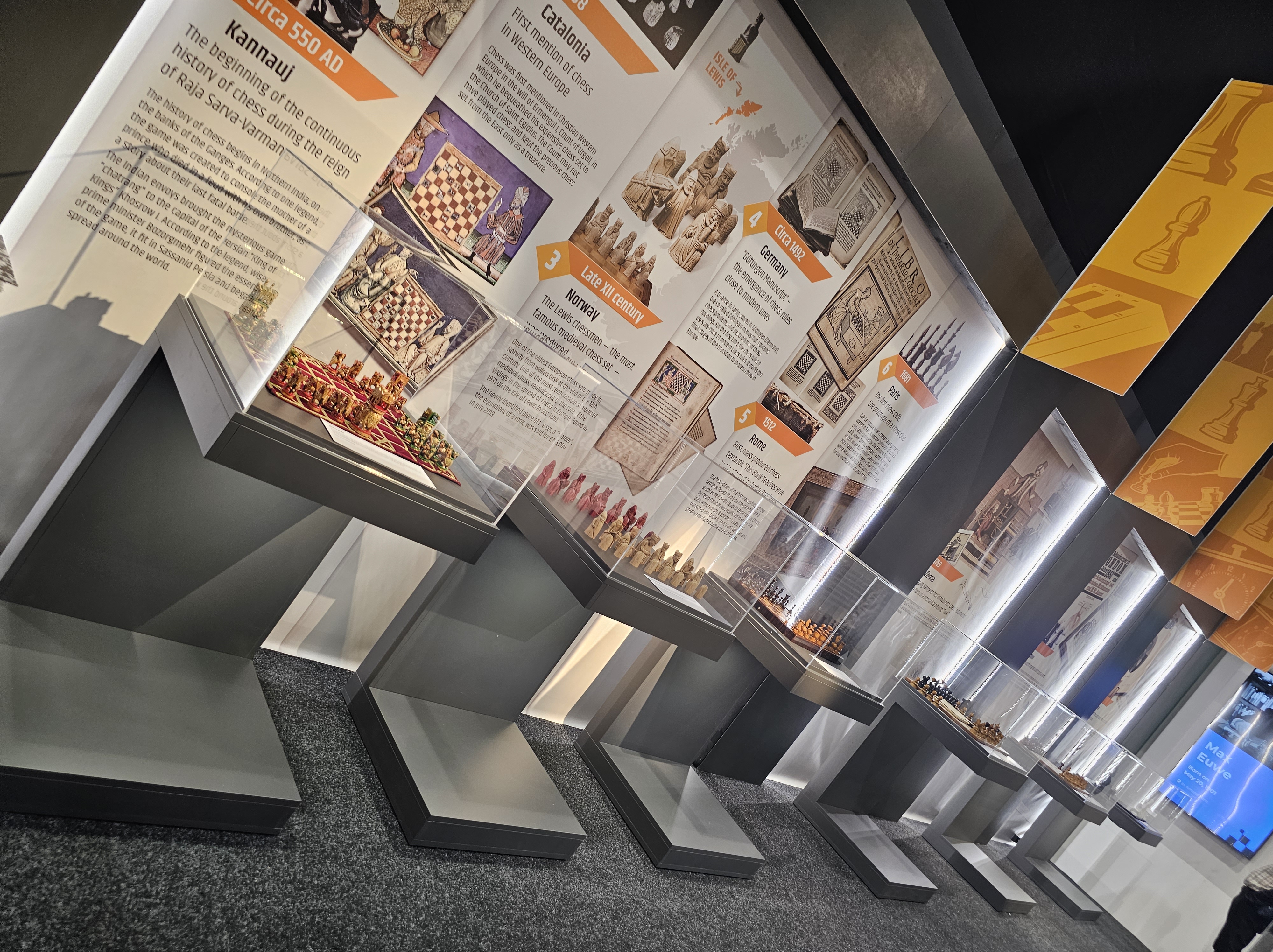
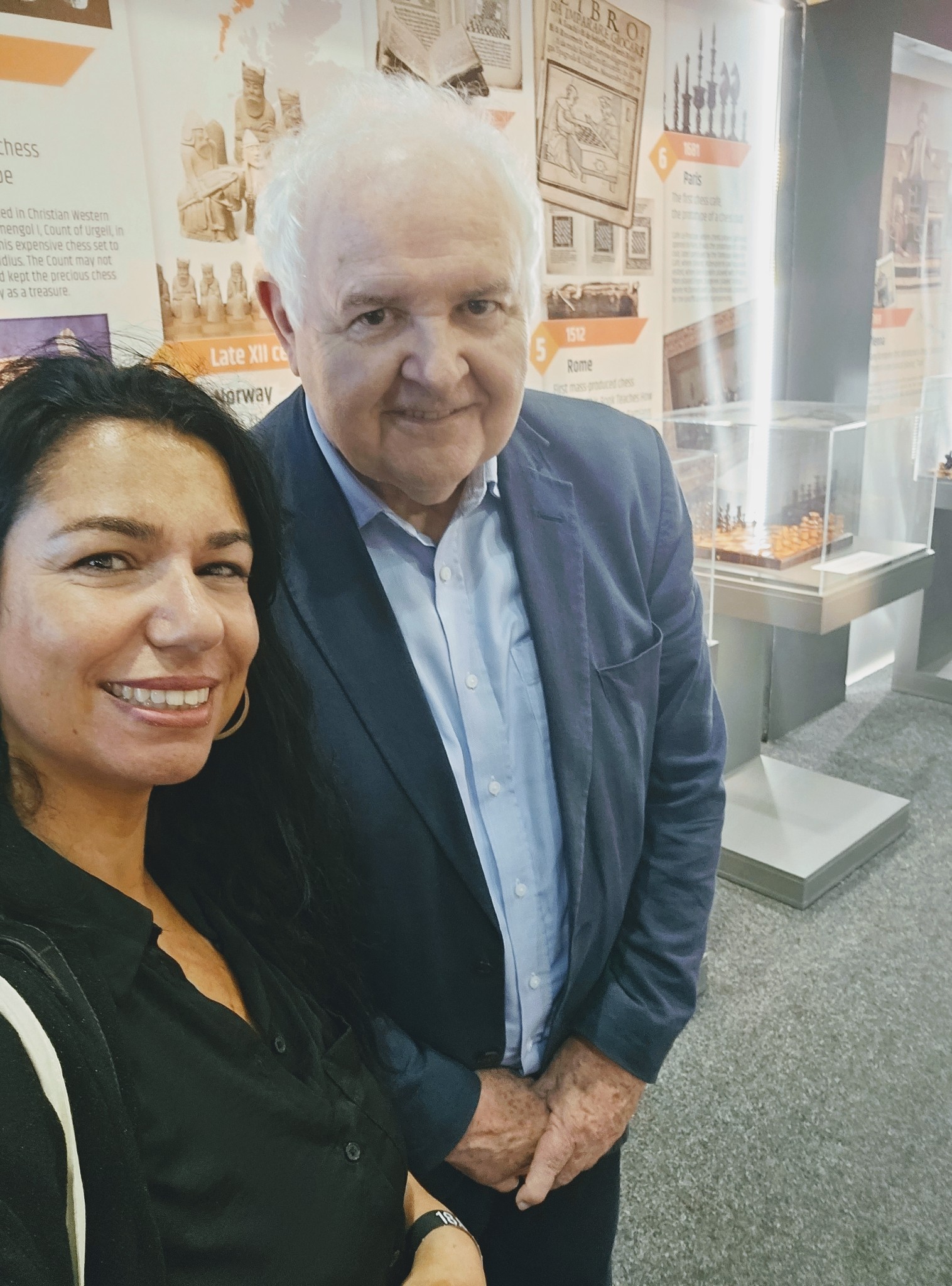

The Fide Chess exhibition at the Bok Stadium was a treat, a wonderful glimpse of the rich history chess has to offer. John Foley (ChessPlus) and I got to see the poster art from previous Olympiads and intricate chess sets from around the world. A mini museum taking us back in time to the origins of chess.

Madalina Maria Lejean-Anusca, presented her detailed chess assessment, a valuable resource for students and teachers. Pep Suarez, a huge fan of mini games, shared his latest projects, exploring chess for cancer patients. A new project, I look forward to finding out more as this great work continues. Maybe I can visit Pep in Menorca!
The beauty of Budapest
I can’t wait to return to this beautiful city. The architecture, the food and people, the stunning scenery. Visiting the homeland of three chess queens , Judit Polgar, Rita Atkins and Brigitta Peszleg. Thank you for hosting such a wonderful event Judit Polgar and Rita, Brigitta, thank you for being my hosts!

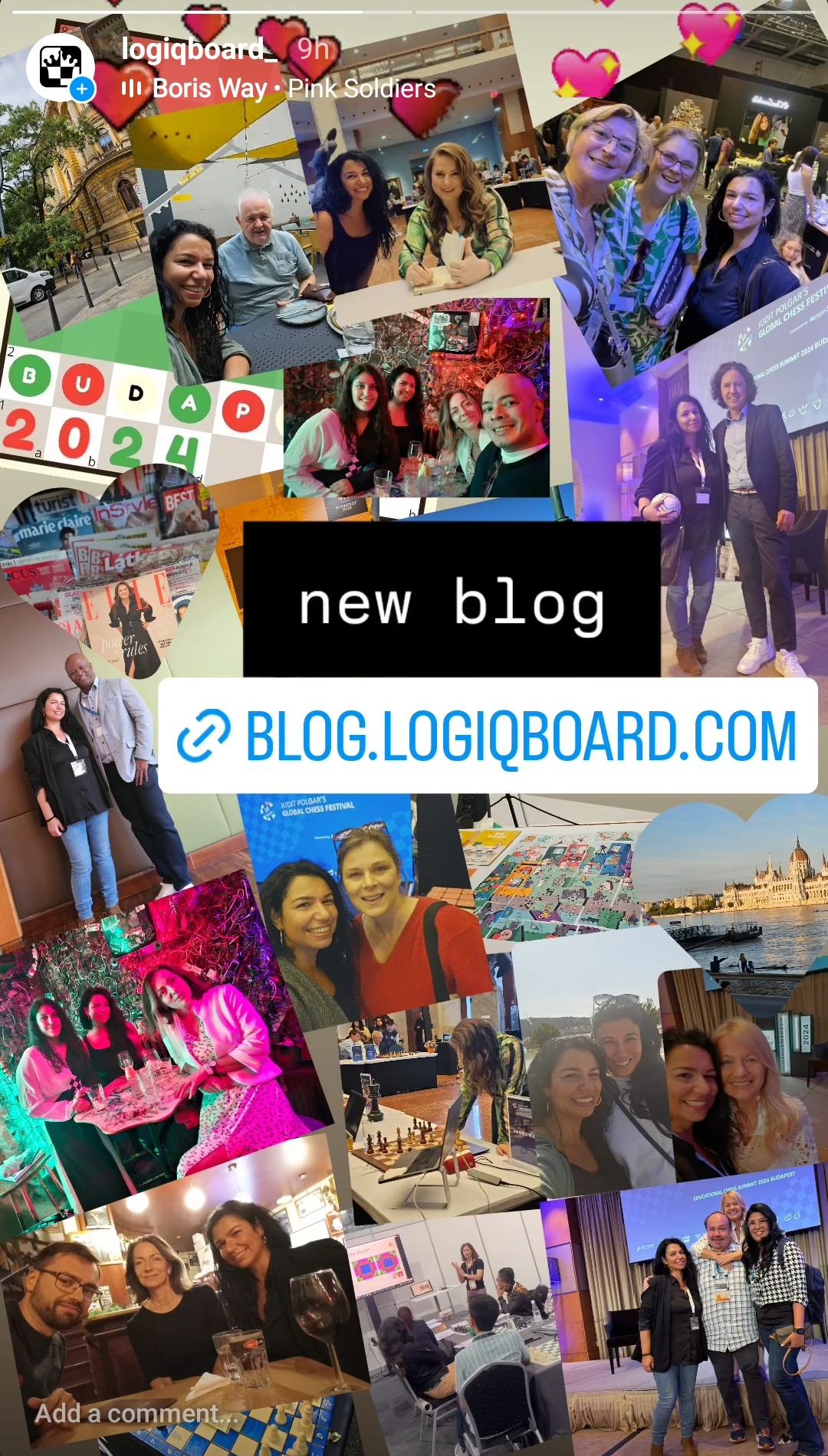
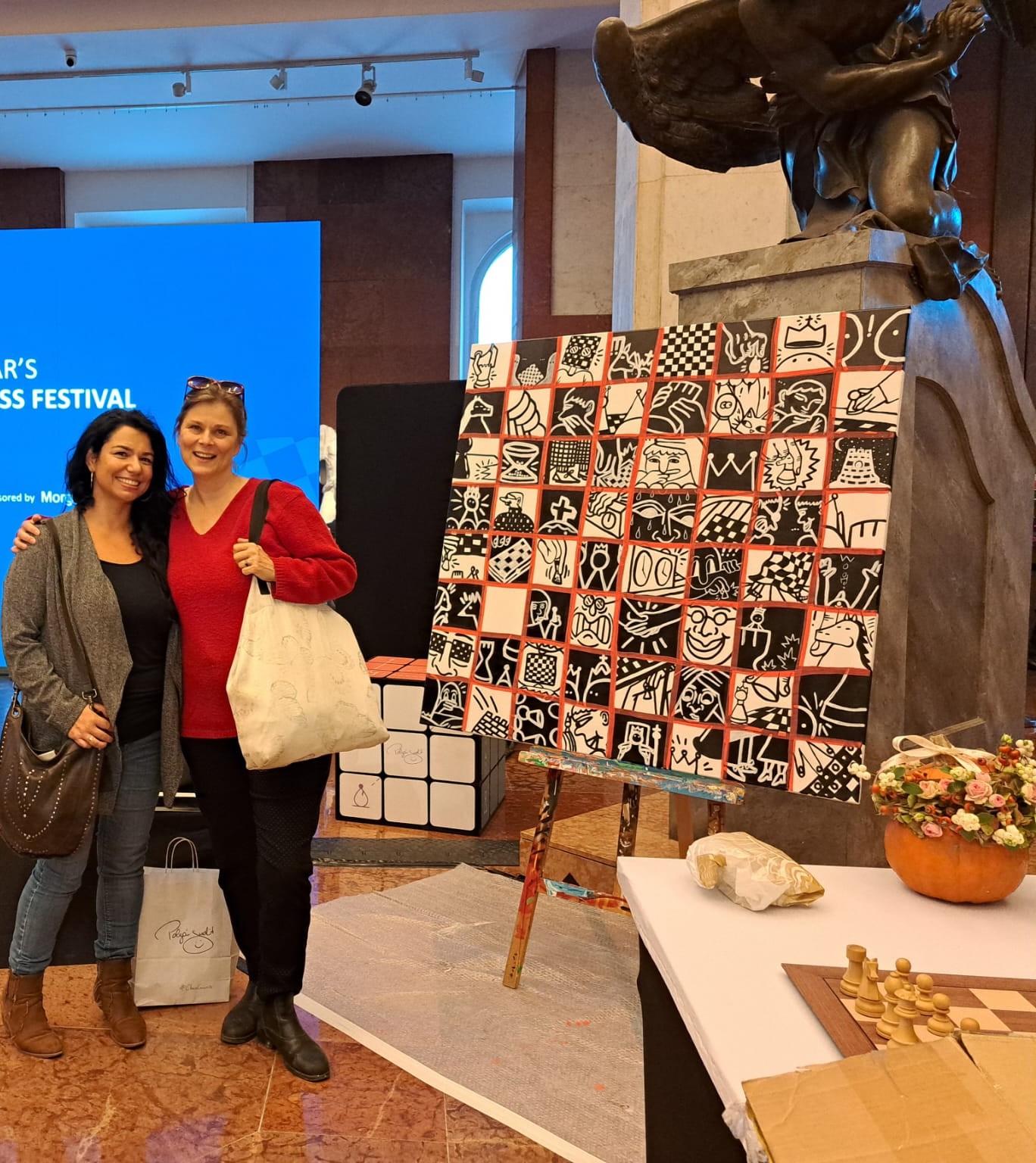
Events like this are for networking and building connections, future collaborations or the sharing of ideas. It was a productive few days with many moments of inspiration.
Teachers, the chess world is welcoming. I traveled alone but I certainly didn’t feel it. We need more teachers to join this passionate community of change makers. Chess belongs in the future of education.
Before I go I’ll leave you with some reflections. What do you already do in your chess lessons or clubs? What would you add to the list?
Action plan for chess teachers:
Create a chess library with a book of the month.
Create a wall display showing chess role models, how chess is a part of their lives and their impact on others.
Celebrate the inclusiveness of chess by sharing stories of real people. For example, chess for the blind, chess for the very young and old, chess in prisons and hospitals.
Plan isolated lessons where children can study chess sets from around the world. Link to art and geography, language connections.
Run a Chess Olympiad poster competition.
Include a minute of reflection before chess games begin. Setting an intention or the teacher sets a target before the game. Reflection time at the end. Partners may share positive feedback.
Incorporate chess yoga and music into lunch clubs. Ask children to help create moves based on ‘traits’ of the pieces.
Create a chessboard canvas in black and white based on the Art work from the National Gallery. Give children themes to choose from, e.g. What chess means to me?/ My favourite piece/ Emotions in chess…
Create online LogiqBoard worksheet based on Maurice Ashley’s pawn puzzles. Send links home too.
Ensure each lesson has success criteria displayed at the beginning and end. Did they achieve the lesson objectives? Is assessment a question, diagram, recorded puzzle, peer assessment or self-assessment. Consider children having their own tracking sheet. How are children supported next time if the objective isn’t achieved?
Until next time…Viszlát!
Hari x
 LogiqBoard BLOG