
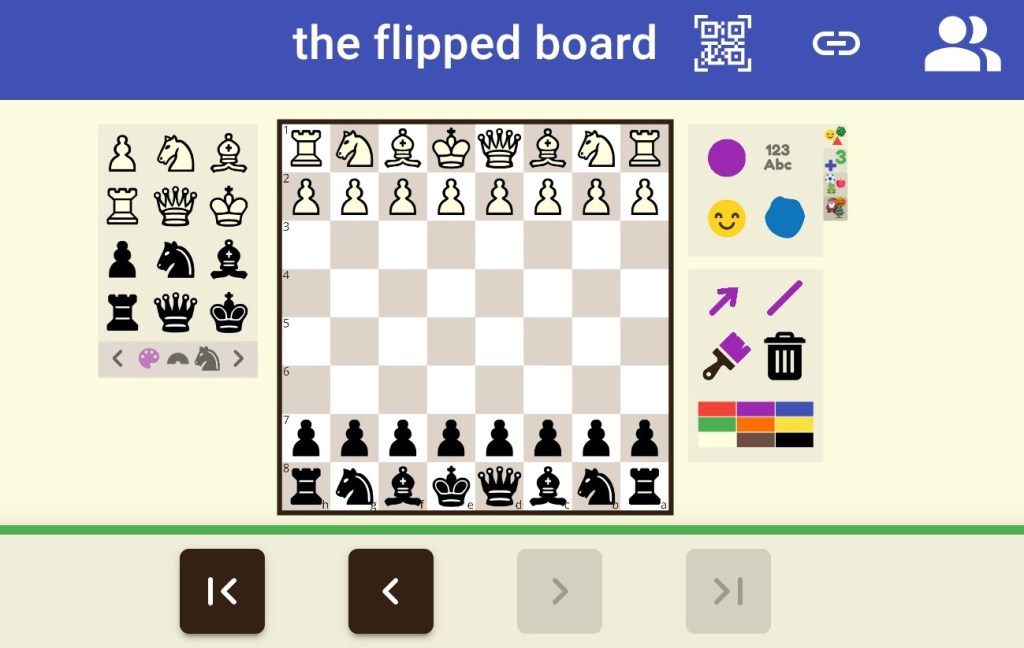
A few weeks ago I taught a lesson on chess notation. My 9 and 10 year old students made notes on the symbols read chess notation and recreated the opening to a game. Some children went further and continued the game as they recorded their own moves.
Codebreakers
I pitched the lesson as a language lesson and decoding.
They were code breakers deciphering symbols!
As they read the chess notation they put the moves into phrases or even full sentences. Simply reading letters and chess pieces wasn’t enough. I needed them to tell the story of the chess pieces. Language helps children process information.
Year 5 used LogiqBoard. Children sat side by side with the worksheet to hand. They were so focused and loved decoding. They were slowing down their game play, something they don’t tend to do. Recording moves made my students think harder!
The following week I decided to repeat the lesson with year 4. It was such a success with year 5 I thought it would be great. So Friday morning they set up their boards with the chess pieces, I showed them the symbols, they made notes, we added some fun hand actions to distinguish check and capture and we began the worksheet.
Something wasn’t quite right. The lesson didn’t have the same intense focus. Why? Why was there a different feel to the lesson?
Is there a right way round?
There was a small difference to the lesson. It was all to do with board orientation!
In maths lessons at school, children are used to the x-axis showing letters ABCD… and the y-axis showing numbers 1234… This doesn’t happen always but it’s the layout we begin with when we teach co-ordinates.
In my chess lessons they’re also used to seeing the white pieces at the bottom on the 1st and 2nd rank. The black pieces on the 7th and 8th rank. This is their familiar layout in the demo board.
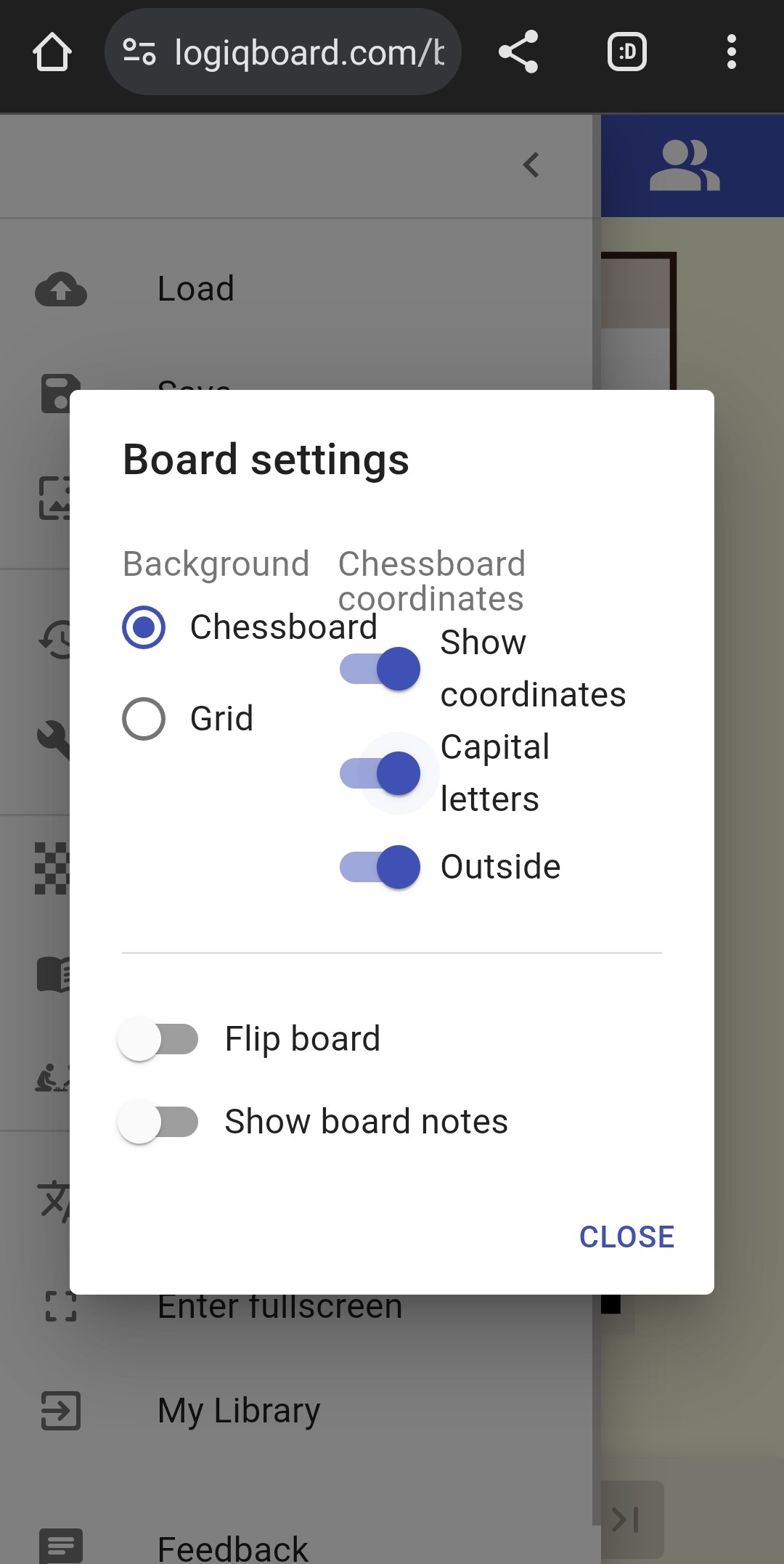
Confession time: I haven’t used LogiqBoard’s ‘flip the board’ function.

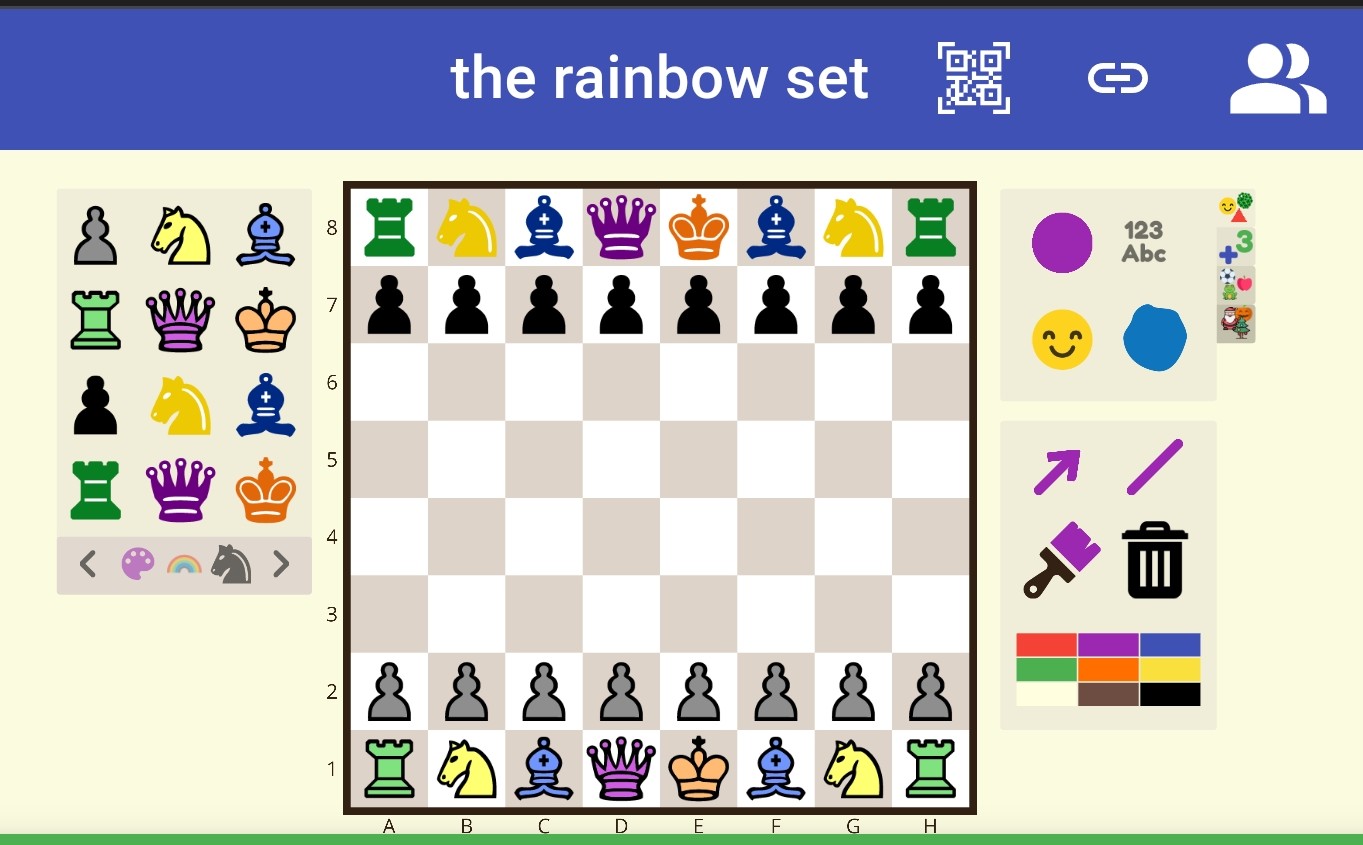
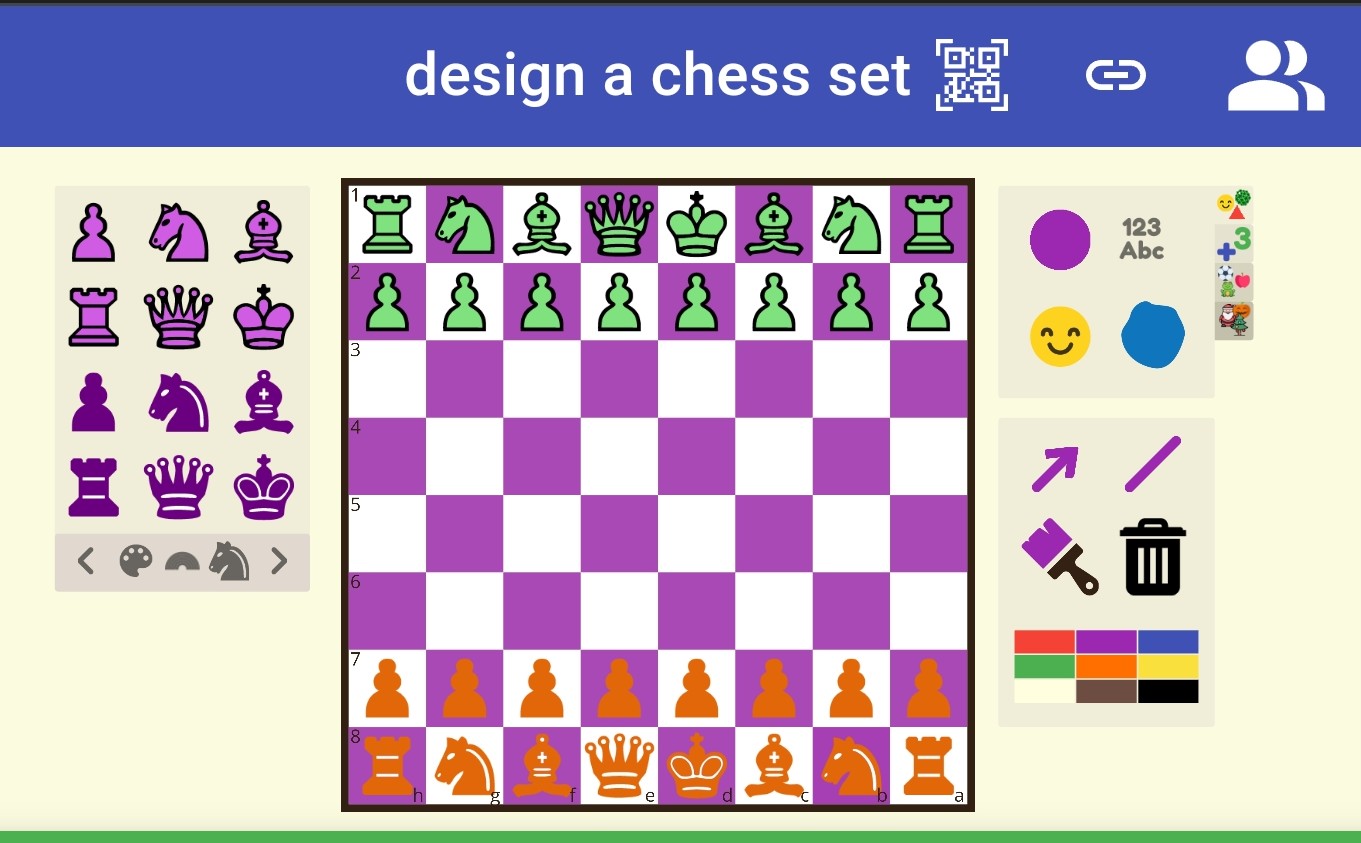

I always have white pieces at the bottom and black at the top. And in puzzles I use white and black pieces.
I am aware that always hearing the words ‘white to win’, ‘white to find the winning move’, ‘black loses’ isn’t okay. This biased language shouldn’t belong in the lesson regardless of the ethnic groups within the class. Language matters. It holds power and resonates. It lingers in children’s minds if it doesn’t quite feel right.
You can also use light and dark to describe chess pieces. This is a good way to describe pieces. Before the glorious days of LogiqBoard when I used to have images of wooden boards on PowerPoint I remember a child correcting me as the words ‘black’ and ‘white’ didn’t accurately describe the cream and brown pieces they could see!
I should also mix it up a bit and use LogiqBoard’s coloured pieces. We have so many exciting colours to choose from and even a rainbow set. Children love getting creative and designing chess sets on LogiqBoard. Check out the beautiful pieces by Jorge Nuno Silva too!
Why haven’t I flipped?
So the answer to the question ‘why haven’t I flipped the board?’ is that I’ve stuck with something familiar. Maybe it’s a sense of security. My happy place. 🙂 So much happens on the chessboard that if you give me the choice, I want to let the pieces move into the unknown but the layout stays the same.
Here are some important points to remember:
1. Use LogiqBoard’s ‘flip the board’ function to offer a different perspective for students and promote flexible thinking.
2. Introduce the use of ‘light‘ and ‘dark‘ to describe chess pieces, and incorporate LogiqBoard’s coloured pieces to add variety and creativity to lessons.
3. Ensure equal emphasis on ‘white to move‘ and ‘black to move‘ in lessons to avoid biased language and promote fair play. Avoid the same colour attacking.
4. Consider starting younger students side by side in their first chess notation lesson, progressing to the next level when ready.
This thoughtful approach and attention to detail will enhance the overall educational experience for the students.
Progession is key
In schools chess (a more inclusive chess) these tiny tweaks are part of the planning process or in my case evaluation process. We learn from mistakes.
A little task
Close your eyes. Imagine a triangle. It’s very likely that your triangle was pointing upwards. We have been conditioned to think of triangles like this. But we need to see things from different perspectives. It’s a triangle no matter which direction it’s pointing to.
Key points:
FLIB THE BOARD
FLEXIBLE THINKING
LANGUAGE HAS POWER
I’m going to leave you with a homework task. That chessboard on your coffee table or desk, I want you to set it up incorrectly. Black pieces on the 1st and 2nd rank. Pieces muddled. How does it feel? Can you leave it for a day? Does your brain think ‘ouch’ !?
Our ‘go to setting’ is to set it up in a familiar way…that’s how some of my year 4 children felt when they saw the board differently. I hope this blog has made you a little mindful of the tiny tweaks that can make a difference in scholastic chess.
Beach games
To celebrate the 1st of July I have a small request. I would ❤ to see some of the strategy games you play on the beach. Send me them or tag LogiqBoard and I’ll reshare on Insta stories!
Happy holidays wherever you are! 🌞🌊🏖🍹
Hari x
 LogiqBoard BLOG